Last updated November 18, 2026


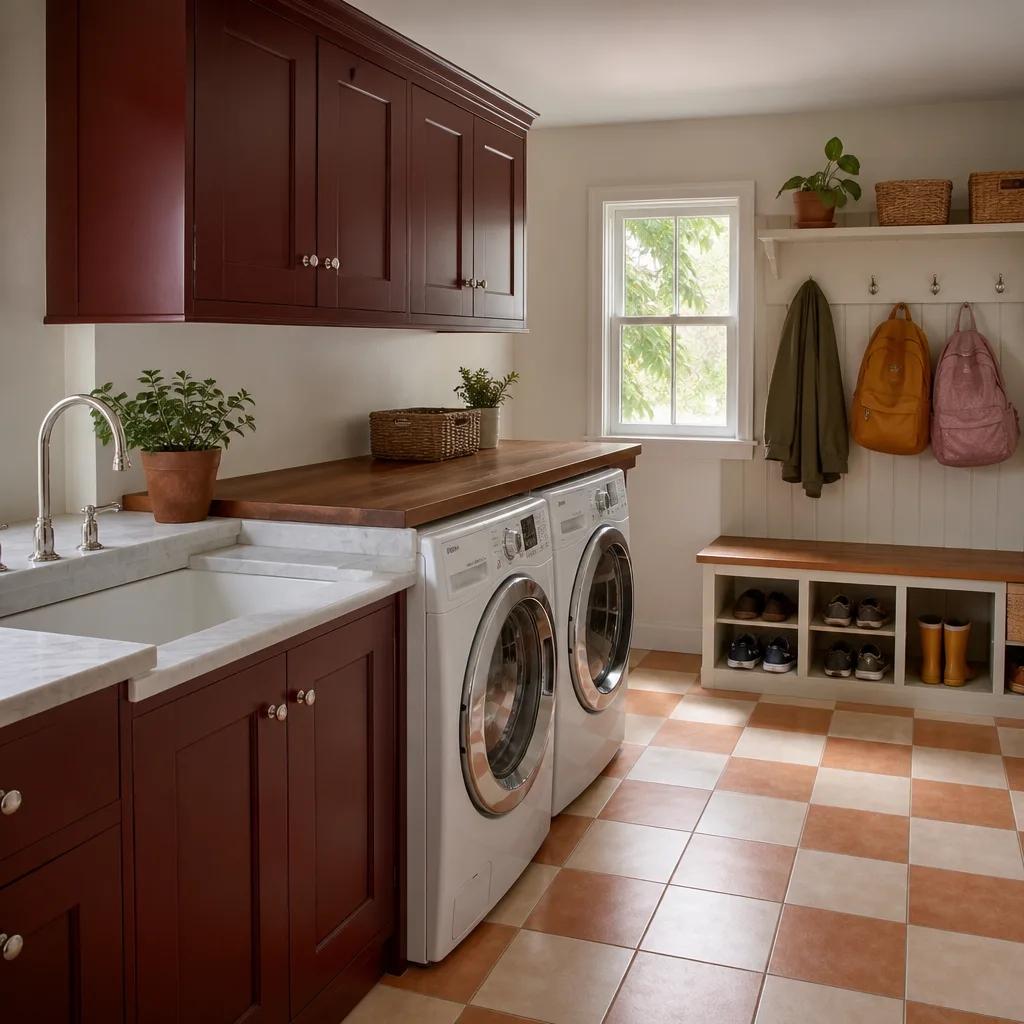



Free written scope consultation - allowances, timeline, and change-order rules on paper before a single trade is scheduled
General Contractor Warning Signs Every Homeowner Should Know
A contractor who is warm, punctual, and highly reviewed can still hand you a contract with no written price, no payment schedule, and no defined scope, and that document will cost you more than a bad attitude ever would. Most of the red flags that wreck a remodel never show up in the sales conversation. They sit quietly on page two of the proposal, in a clause nobody reads, waiting for demo day to unlock them. In our experience across Winchester remodels, the homeowners who get burned are rarely the ones who hired a rude contractor. They hired a friendly one who knew how to write a vague bid. This guide teaches you to vet a contractor through their paperwork, not their personality.
Quick Answer
The biggest contractor warning signs are written, not spoken: no fixed price in the contract, a large cash deposit before work starts, no physical business address on the proposal, missing license and insurance details, an undefined scope, and a payment schedule that front-loads your money before the work leads. If the document doesn’t state the price, the schedule, and what’s included, treat it as a warning sign regardless of how good the person seemed in your kitchen.
Styles & brands we work with
- Kitchen remodeling
- Bathroom remodeling
- Home additions & ADU
- Roofing
- Windows & doors
- Driveway & pavers
- Fence
Table of Contents
- The Five Contract Clauses That Signal a Price Change
- How to Verify a Nevada Contractor License in Two Minutes
- The Cash-Up-Front Demand: When a Deposit Is Normal
- Why a Missing Physical Address Is a Real Problem
- The Bid Explanation Test
- Scope Language: What “Allowance” and “As Needed” Actually Mean
- Insurance and Bonding: What to Ask For
- Winchester-Specific Things to Watch For
The Five Contract Clauses That Signal a Price Change
You don’t need to be a lawyer to read a contract for danger. Five clauses do most of the damage, and each one is easy to spot once you know the shape of it.
- “Subject to site conditions.” This sounds reasonable. It’s the single most common hook for a post-demo increase. The contractor reserves the right to add charges once they open a wall. A legitimate clause names what site conditions would trigger an adjustment and caps how far the price can move. A vague one is a blank check.
- “Materials to be selected.” If the bid doesn’t name the cabinet line, the countertop material, or the fixture brand, the price is soft. We specify brands like Cambria and Kohler in writing because a named product is a locked price. An unnamed one can be swapped upward after signing.
- “Additional work billed at prevailing rates.” There’s nothing wrong with change orders in principle; remodels hit surprises. What’s wrong is a rate that isn’t defined. Ask for an hourly rate and a markup percentage in the contract. No numbers means no ceiling.
- “Contractor may substitute equivalent materials.” Equivalent is doing a lot of work in that sentence. If the contract doesn’t define what counts as equivalent, an inexpensive lookalike can replace the product you thought you bought.
- “Final price subject to field verification.” This one is subtle. It means the contractor hasn’t committed to the number yet. A written price should be a written price before the first tool comes out.
If you see any of these, don’t walk away automatically. Ask the contractor to explain the clause and put a cap on it in writing. The answer tells you as much as the clause did. Our General Contractor in Winchester page explains what a fully specified proposal looks like when it’s done right.
How to Verify a Nevada Contractor License in Two Minutes
Nevada requires anyone performing construction work for pay to hold a state contractor license through the Nevada State Contractors Board, and you can check one in about two minutes. Go to the board’s license search, enter the license number or the business name, and read the status. That’s the whole process. It’s free and it’s public.
Here’s what an active license actually tells you, and what it doesn’t:
- It tells you the contractor is licensed for the classification of work you’re hiring them for, and that the license is current, not suspended or expired.
- It tells you there’s a bond and insurance on file with the board, which gives you a formal complaint path if something goes badly.
- It tells you whether the license has a disciplinary history, including complaints and actions.
- It does not tell you the contractor does good work, shows up on time, or writes a clear contract. A clean license is the floor, not the ceiling.
- It does not tell you the person standing in your kitchen is actually the licensee. Ask to see the license number in writing on the proposal, then confirm the name on the proposal matches the name on the board record.
One practical habit: check the license before the second visit, not after you’ve signed. If the number isn’t on the proposal at all, that’s a due-diligence failure, and it’s reason enough to slow down.
The Cash-Up-Front Demand: When a Deposit Is Normal
A deposit is normal and expected. A large cash demand before any work on your site is a warning sign. Nevada caps how much a contractor can collect before starting and requires a written payment schedule tied to project milestones, and reputable contractors work comfortably inside those rules. The specific limits depend on the contract value and structure, so read the schedule carefully and compare it to what the board publishes.
The pattern to watch:
- Normal: a modest deposit that covers materials or mobilization, followed by draw payments tied to defined milestones (framing complete, cabinets installed, final walkthrough).
- Normal: the final payment held back until you’ve walked the job and signed off.
- Warning: a request for half or more of the contract total in cash before demo day.
- Warning: a schedule that collects most of the money early and leaves no leverage at the end. If the last draw is small, your ability to make a contractor fix something is small too.
- Warning: pressure to pay in cash with no receipt or invoice, or single large payments made outside the schedule.
Ask the contractor to explain why each payment is sized the way it is. A straight answer usually sounds like materials, labor, and inspection milestones. A story that shifts under questioning is your answer.
Why a Missing Physical Address Is a Real Problem
An unlisted physical address on a contractor’s proposal is a due-diligence failure, not a paperwork oversight. It means you can’t verify the business exists where it claims, can’t send a formal notice if a dispute arises, and can’t serve process if you ever need to. A P.O. box alone doesn’t fix that. Neither does a phone number alone.
The proposal should carry a real business address, a license number, and an insurance certificate naming the business. Not on request, not “in the truck.” On the document. This is one of the reasons we publish our contact details plainly and hand the price over in writing before anyone picks up a tool. If a contractor resists giving you the address and license details in writing, that resistance is a warning sign by itself.
This one matters in Winchester in a specific way: our market has a lot of small, legitimate remodelers who work out of a home office and do excellent work. There’s nothing wrong with that. There is something wrong with a proposal that hides where the business is registered. Ask for the address, then check it against the license record.
The Bid Explanation Test
There’s a clean way to tell a good contractor from a risky one, and it has nothing to do with price: ask them to explain every line of the bid. A contractor who walks you through the items cheerfully, tells you which ones drive the cost up, and volunteers where you could save money is telling you how they’ll handle a dispute. A contractor who gets defensive when you ask “why is this line $4,200?” is telling you the same thing in the other direction.
Here’s what a clear explanation sounds like:
- They name the product and the quantity, not a category. “Forty-two square feet of Cambria quartz countertop, one sink cutout, one faucet hole,” not “countertops.”
- They separate labor from material, even roughly, so you can see where the money goes.
- They bring up the parts of the job that often surprise people, unprompted. Which walls we might open. Which fixture swap changes the plumbing.
- They put their answer in writing if you ask. A verbal explanation that won’t be put in a document isn’t an explanation, it’s a sales pitch.
- They don’t take the question as distrust. A professional expects it.
For a closer look at how a specified, line-by-line bid should read on a real kitchen, see our Kitchen Remodeling in Winchester page. Same principle applies to a bath: Bathroom Remodeling in Winchester.
Scope Language: What “Allowance” and “As Needed” Actually Mean
Allowances and hedged language are where a written bid quietly becomes a verbal estimate. An allowance is a placeholder dollar amount for a material not yet chosen; it’s a legitimate device when it’s sized honestly, and a price trap when it isn’t. A $500 tile allowance on a job that will obviously need $2,000 of tile means someone already knows the price will rise.
- “Allowance” should come with a realistic dollar figure and a clear note on who pays the overage if you pick something more expensive.
- “As needed” in a scope of work is a hole. It means the quantity isn’t defined and can expand.
- “To match existing” for flooring, siding, or trim can be an excuse to charge more later. Ask how they’ll handle a true mismatch and what it costs.
- “TBD by owner” on things like fixtures or hardware is fine, but only if the bid sets a budget number so you know the ceiling.
- Missing demolition, disposal, and permit line items are the classic omission. Those costs show up later as “extras.”
Ask the contractor to replace each allowance with a real number if the job is far enough along to do so, and to write down what happens if the number is wrong. That’s the test.
Insurance and Bonding: What to Ask For
Ask for a certificate of insurance before work starts, and check that it names general liability coverage with limits that make sense for the size of your project. A license and bond on file with the state board is a baseline, but it doesn’t replace a current certificate showing active coverage. If a worker is injured on your property and the contractor isn’t insured, the exposure can reach you. That’s the reason to ask, not a technicality.
What to do with the certificate:
- Confirm the company name on the certificate matches the name on the proposal and the license.
- Check the coverage is current, not expired last quarter.
- Ask whether workers’ compensation is included, and if not, ask who’s covering the crew on your job.
- If the contractor uses subcontractors, ask whether they’re covered too, and get it in writing.
A contractor who shrugs at this isn’t being laid back. They’re telling you they haven’t thought about the risk, or they don’t want to show you the paperwork.
Winchester-Specific Things to Watch For
Winchester remodelers work in a market where the small things add up fast. The desert climate means sun exposure and temperature swings, and those affect the way exteriors and materials wear. When you vet a contractor, ask what they know about the local building department permit process, how they handle inspections, and how they schedule around the summer heat. Those questions separate a contractor who works in Winchester regularly from one who’s passing through.
The neighborhood matters too. A remodel in a mature area near the older housing stock can hit surprises behind walls that a newer subdivision won’t. The good contractors expect that and factor it into the bid, rather than turning it into a surprise invoice. When a bid comes in far lower than every other bid, the missing money is usually scope the contractor left out.
If you want a baseline for what well-scoped work looks like in Winchester, the Penhallow Remodeling Winchester home page and the General Contractor in Winchester page both lay out how we write a price and what the guarantee covers.
Common Mistakes to Avoid
- Hiring on personality alone. Friendliness is a nice quality in a neighbor and a bad vetting standard for a remodel. Judge the document, then the person.
- Taking the lowest bid without reading the scope. In Winchester, the low bid is almost always missing demolition, disposal, permit, or inspection line items. The missing money comes back.
- Skipping the license check. Two minutes on the state board’s license search saves a year of grief. No excuse for not doing it.
- Signing a contract with no payment schedule. If the draws aren’t defined, you’ve handed over control of the timeline and the money.
- Ignoring an unlisted address. No physical address on the proposal means no paper trail, no formal notice, and no protection if it goes sideways.
- Paying a large cash deposit without a receipt. Cash is fine; an undocumented cash transfer is not.
- Accepting verbal promises that never make it into the contract. “We’ll fix that in the final walkthrough” is a sentence that has no value unless it’s written into the contract.
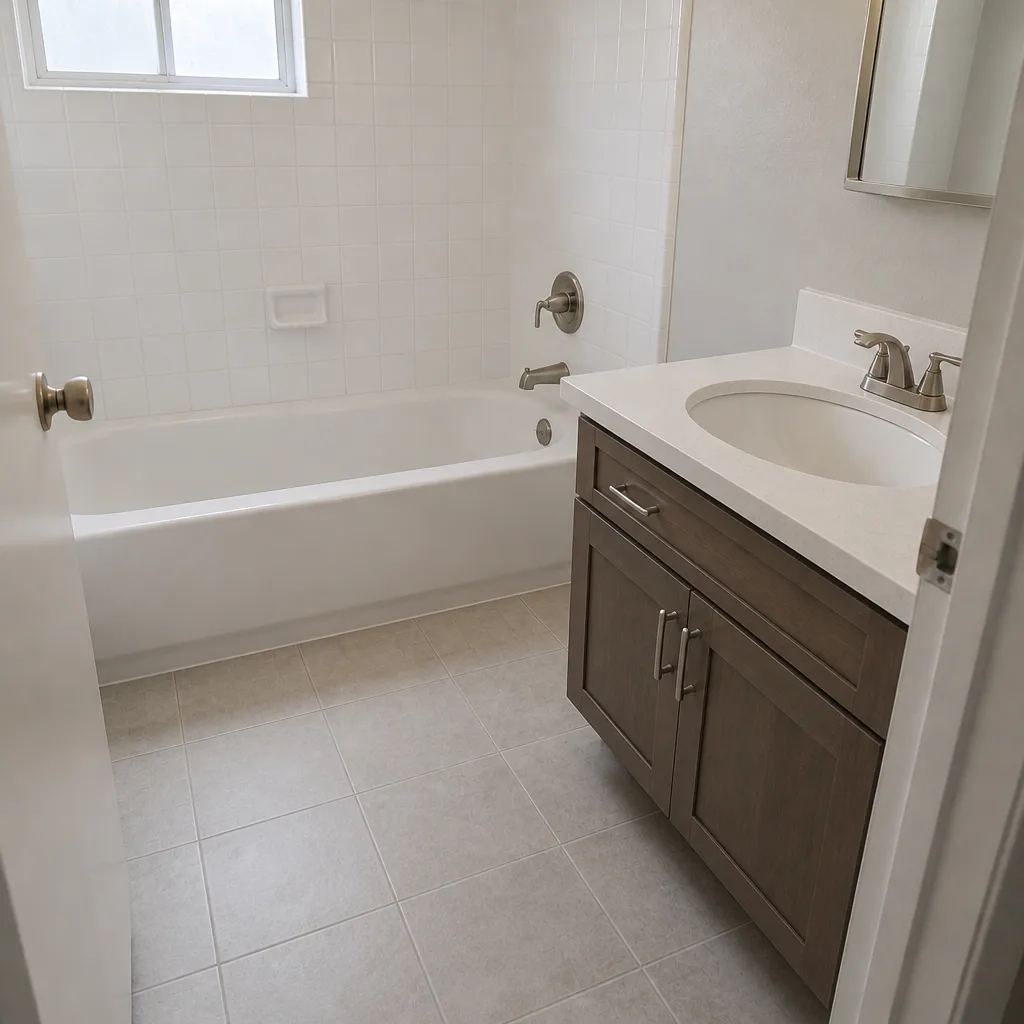
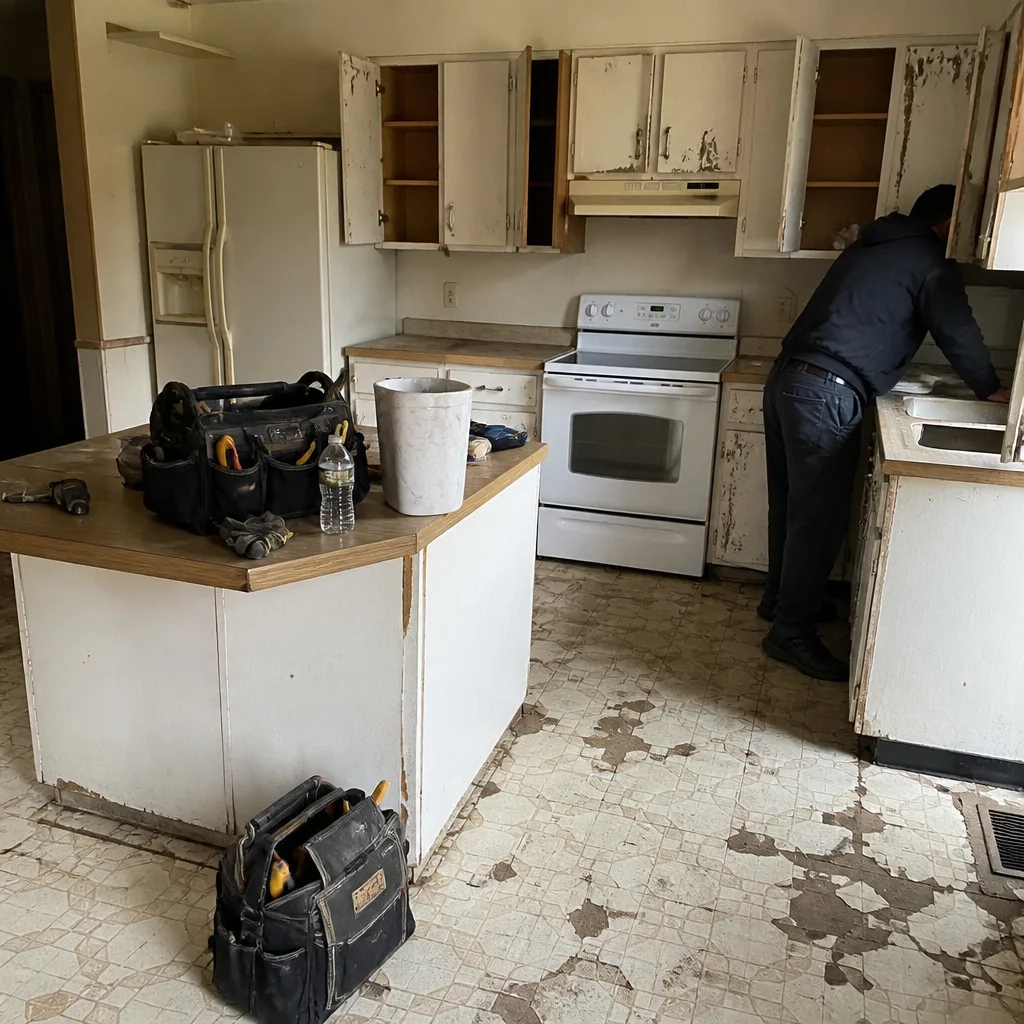
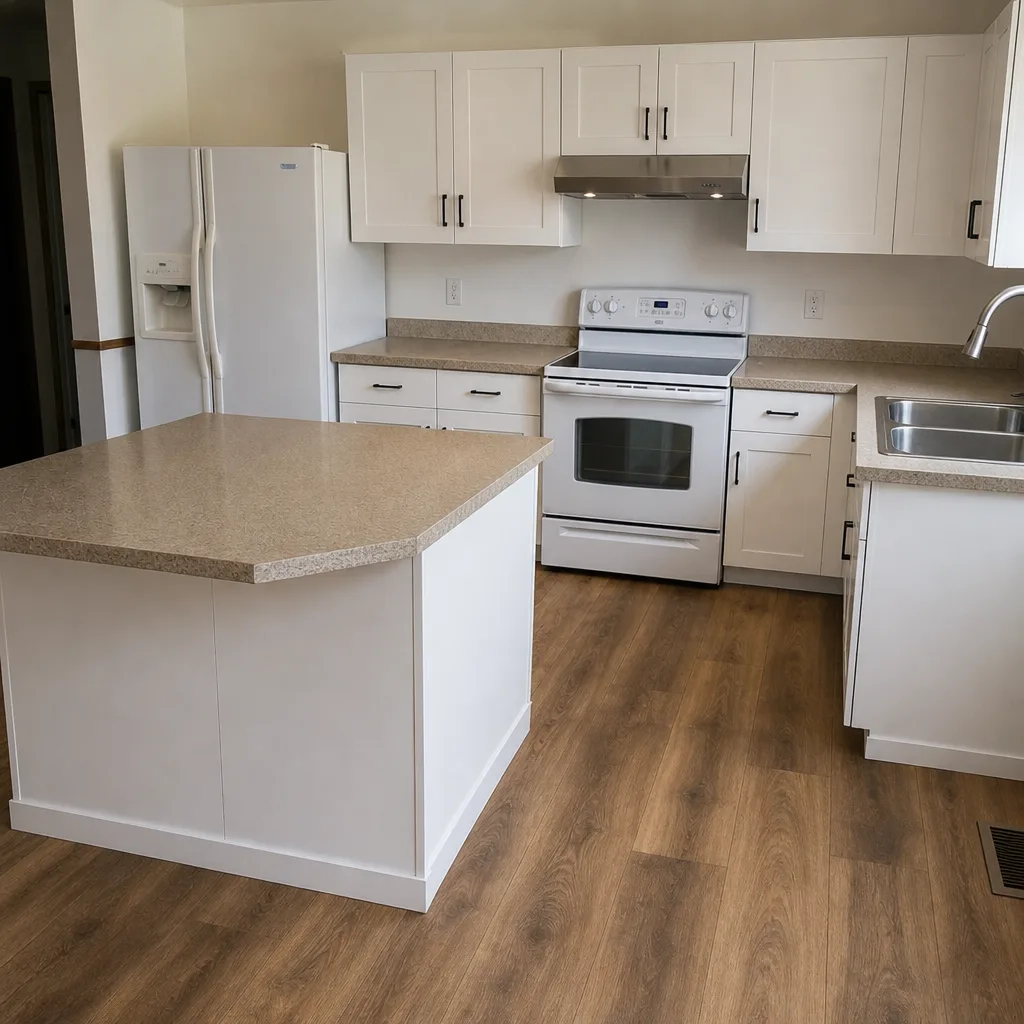
See the difference
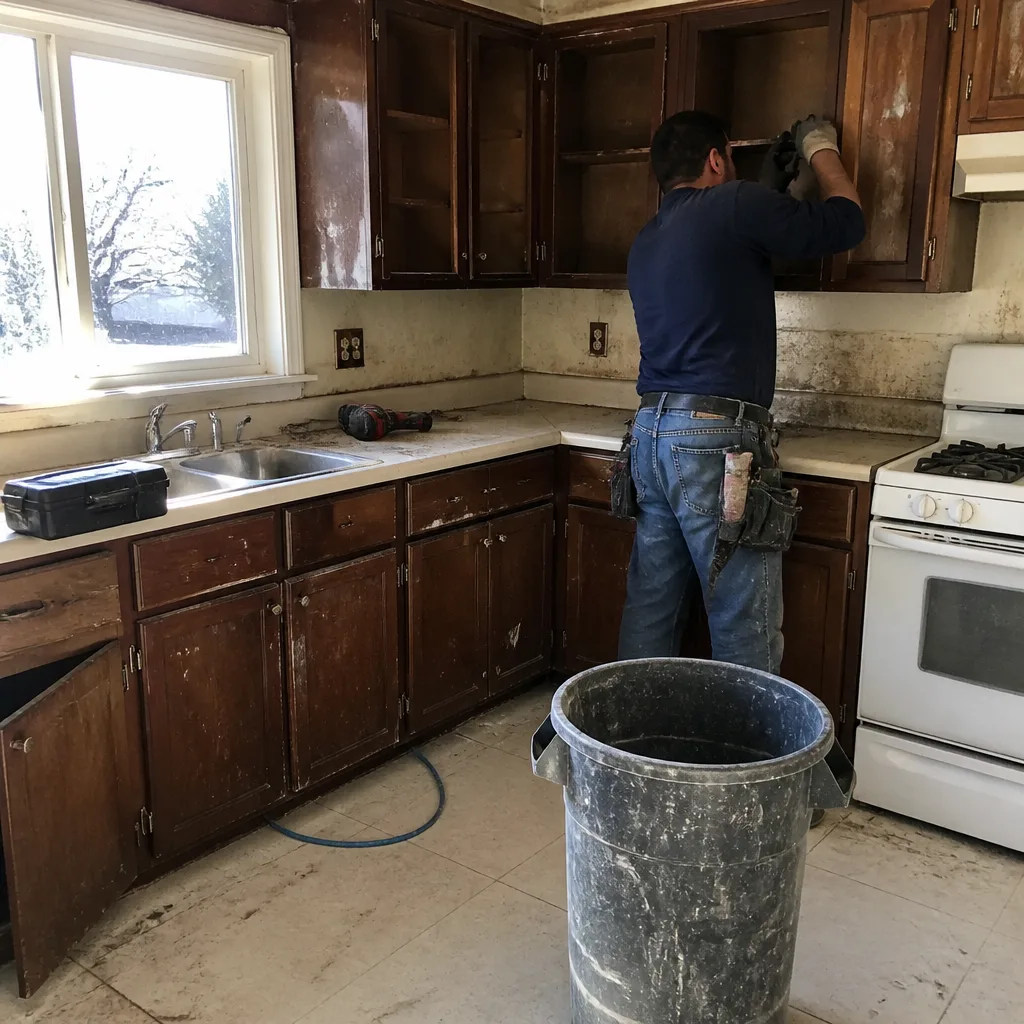 Before
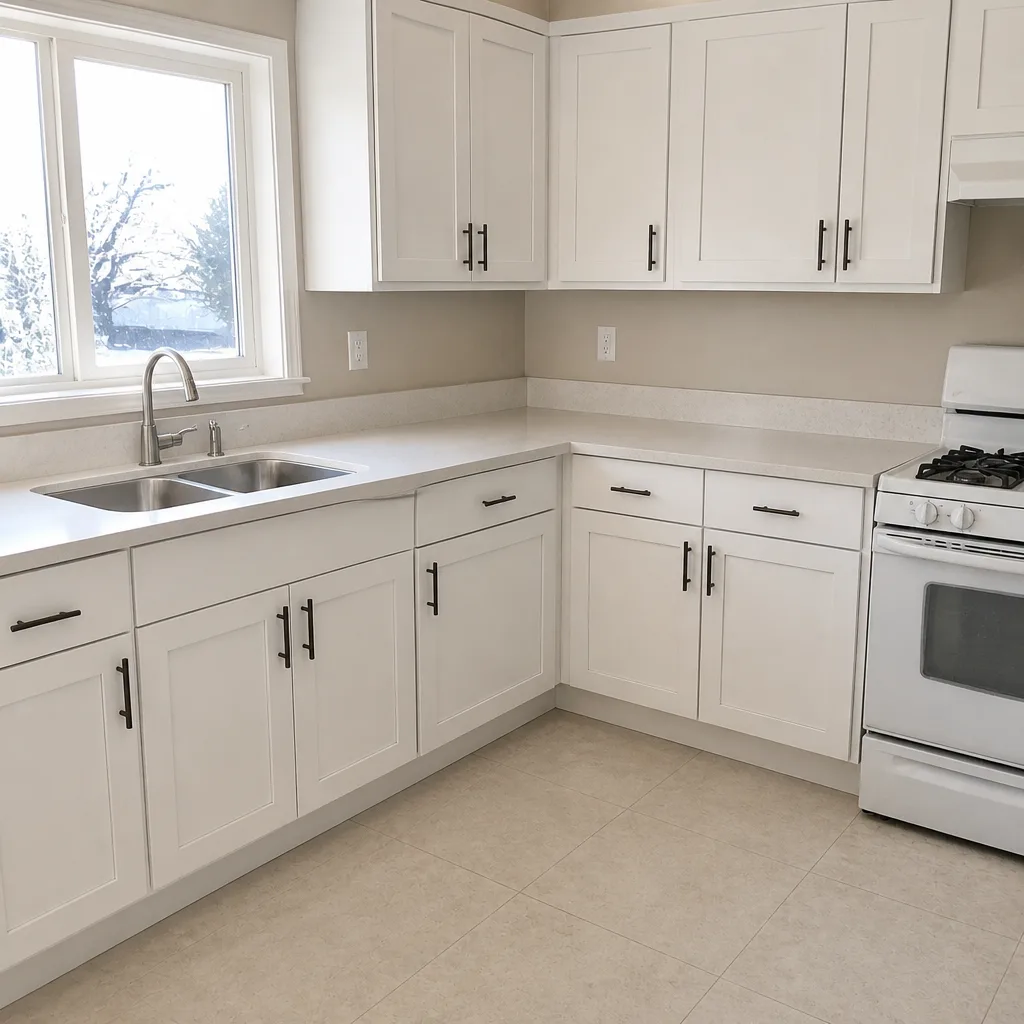 After
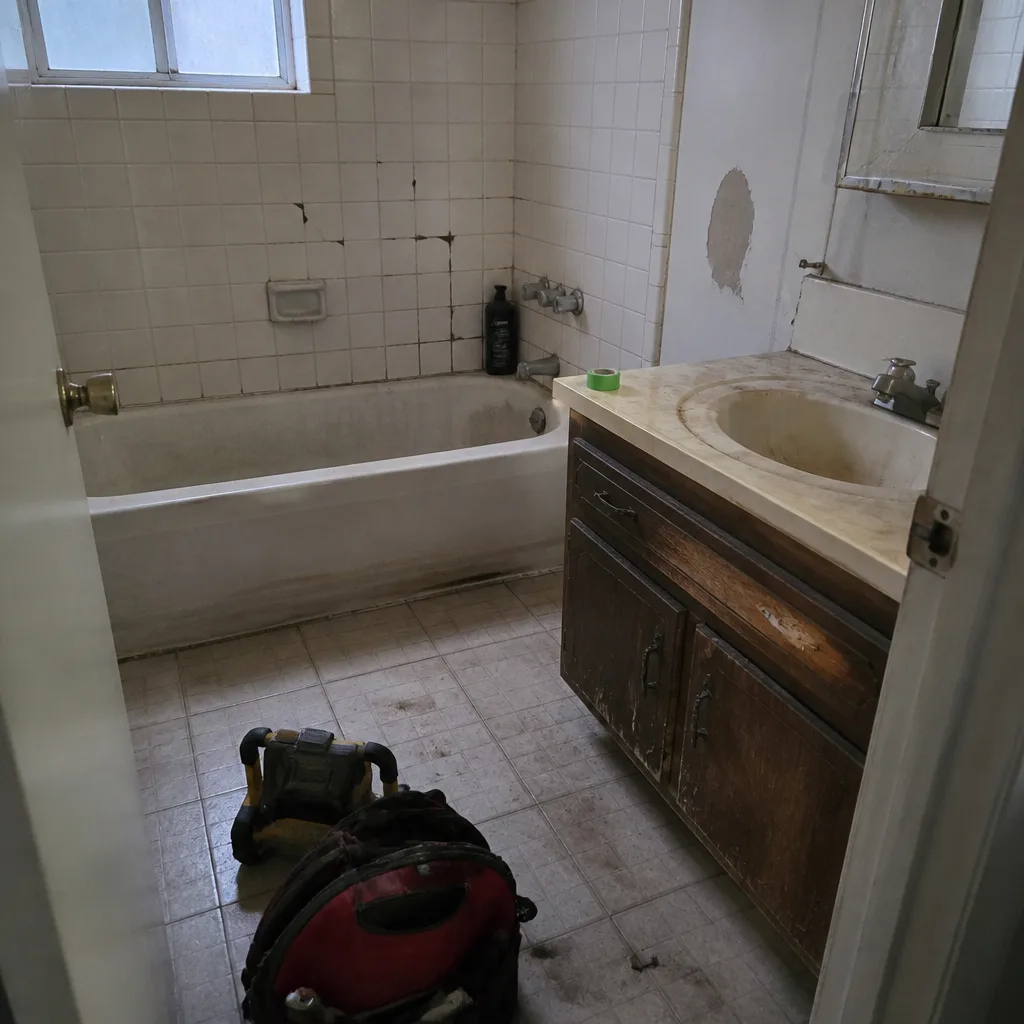 Before
 After
 Before
 After
When to Call a Professional
If you’re planning a kitchen, bathroom, or whole-home remodel in Winchester and you haven’t yet written or received a bid, that’s the moment to bring in a professional. If you’ve already signed a contract that has a vague price, a big cash deposit, or an undefined scope, a conversation with a contractor who writes everything down is worth having before you break ground. If you’re comparing bids and one of them reads like a listing of “allowances” and “additional work,” get a written price from someone else before you hear the final number change. Penhallow Remodeling Winchester offers free estimates in Winchester. Call (844) 797-9439 to schedule yours, and we’ll hand you a written price before any work starts.
Frequently Asked Questions

The biggest red flag is a contract with no fixed written price, no payment schedule, and no defined scope. Personality, reviews, and punctuality all matter, but none of them protect you if the document you signed leaves the price and the work open to change. Read the proposal before you judge the contractor.
No, not typically. A modest deposit that covers materials or mobilization is normal, and a written payment schedule tied to project milestones is standard. A demand for half the contract total or more in cash before work starts is a warning sign. Ask for the schedule in writing and call (844) 797-9439 if you want a second opinion on one you’ve been handed.
Yes. Permits and inspections should be listed as line items in the written price, not treated as an afterthought. If a contractor’s bid doesn’t include permit and inspection costs, ask where they land and get it in the contract before work begins. Call (844) 797-9439 for an exact estimate.
A kitchen remodel in Winchester typically runs $18,000 to $55,000 depending on layout, cabinet line, and countertop material. Smaller kitchens with stock cabinetry land near the low end; larger spaces with custom cabinetry and stone like Cambria or Silestone push toward the higher end. The written bid should name the cabinet line and the countertop material, not just a range. Call (844) 797-9439 for an exact quote.
With a properly written contract, only when the scope changes, and only through a written change order you sign. A contract that gives the contractor room to raise the price on “site conditions” or undefined allowances is the reason most final invoices beat the opening bid. Ask for every clause like that to be written down with a cap before you sign.
Use the Nevada State Contractors Board license search online. Enter the license number or business name on the proposal and confirm the status is active and the name matches. It takes about two minutes and it’s the single fastest vetting step available to a homeowner in Winchester. Call (844) 797-9439 if you’d like help walking through what an active license does and doesn’t cover.
The Bottom Line
The contractor who treats the paperwork as seriously as the sales pitch is the one you want. Written price, written schedule, named products, a physical address, a license number you can check, insurance on file, and a contractor who explains every line without flinching. If any of those are missing, you’ve found a warning sign, whether or not the contractor is friendly in your kitchen. In Winchester, the safest way to judge a contractor is to read the document first, ask questions second, and only then trust the person.
Penhallow Remodeling Winchester gives you a written price before work starts, a defined arrival window, and a 365-Day Done Right Promise in writing. Call (844) 797-9439 for a free estimate. A live person answers, every time.
Written by the team at Penhallow Remodeling Winchester.