
Last updated November 18, 2026







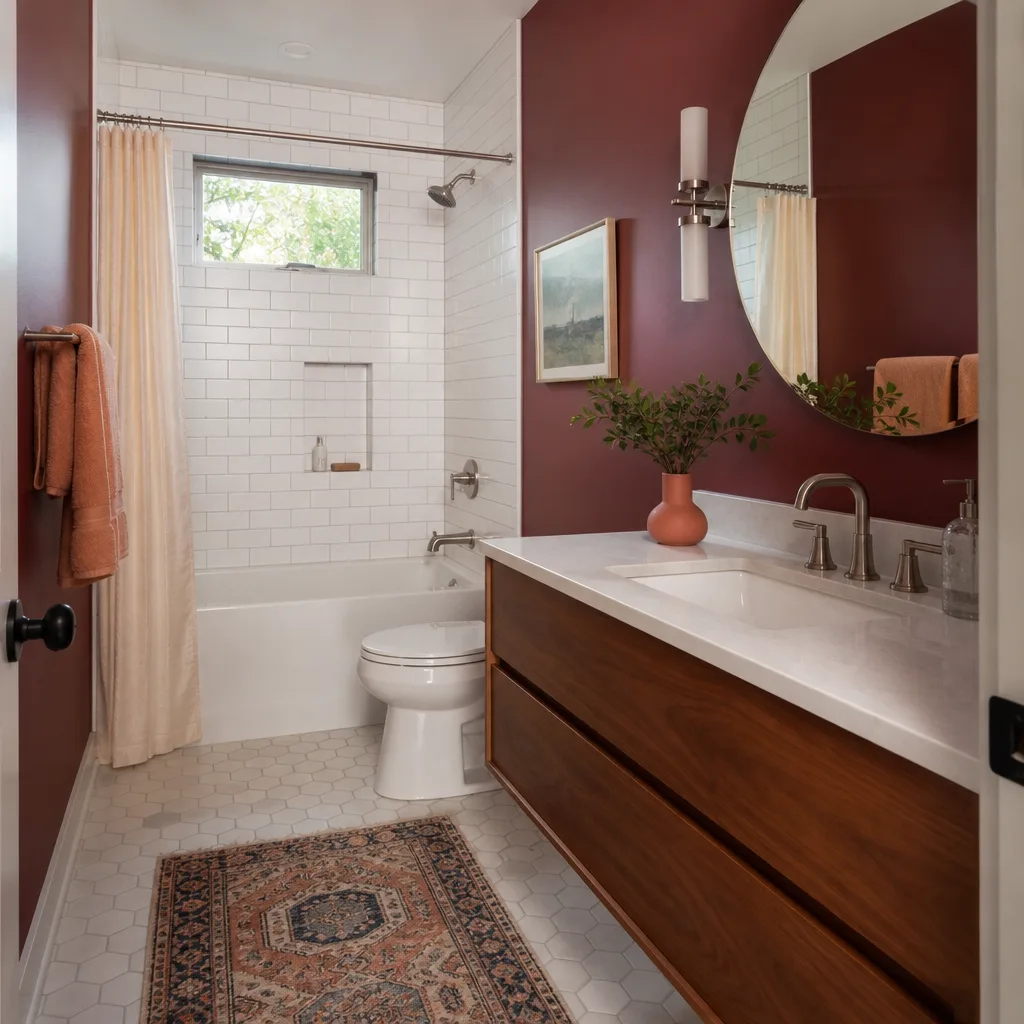
Free written scope consultation - allowances, timeline, and change-order rules on paper before a single trade is scheduled
Home Remodeling Warning Signs Every Homeowner Should Know
The warning sign that costs homeowners the most money isn’t a cracked tile or a soft floor. It’s a verbal estimate that “might change once we get in there,” delivered with total confidence at the initial walkthrough. We’ve watched homeowners in Winchester sign on a handshake and a ballpark, only to face a number 30% higher after demo day. This guide covers two distinct checklists most articles blur together: the signs your home needs work, and the signs the contractor you’re talking to is trouble. You’ll learn what a clean contract looks like, what allowances really mean, and how to spot a project going sideways mid-job.
Quick Answer
Home remodeling warning signs fall into two categories: problems in your home that signal needed work (soft subfloor, efflorescence on tile, cabinet doors that won’t close square) and contractor red flags that signal a risky hire (no written price before work starts, no license offered, pressure to sign same-day, more than 10% requested upfront). The most expensive red flag is a verbal estimate with no written number attached, because the price you agreed to at the walkthrough isn’t the price you’ll pay at the invoice. Learn to read both checklists before you sign anything.
Styles & brands we work with
- Kitchen remodeling
- Bathroom remodeling
- Home additions & ADU
- Roofing
- Windows & doors
- Driveway & pavers
- Fence
Table of Contents
- Warning Signs in Your Home: When Work Is Actually Needed
- Contractor Red Flags: The Checklist That Saves You Money
- What “Allowances” in a Contract Really Mean
- Mid-Project Warning Signs: When the Job Goes Sideways
- What a Clean Contract Looks Like
- Winchester-Specific Warning Signs
- The 5-Minute Warning Sign Checklist
- Frequently Asked Questions
Warning Signs in Your Home: When Work Is Actually Needed
Not every imperfection is a remodeling emergency. But some signs point to problems that get more expensive the longer you wait. These are the flags that justify picking up the phone for an honest assessment.
Soft floors near tubs, showers, or exterior doors. If a tile flexes underfoot or the floor gives slightly when you step near the tub, the substrate (the layer under your tile) has likely taken on water. In our experience, Winchester’s dry summer air masks the problem between monsoon months, but a soft spot near a shower is a slow-motion failure. Left alone, a $400 repair becomes a $4,000 subfloor replacement.
Efflorescence on tile or grout lines. That white, chalky powder that reappears after you scrub it? It’s mineral salts migrating through moisture. On a bathroom wall or floor, it’s a sign of a leak behind the tile. On an exterior wall, it may point to drainage issues. Either way, it doesn’t fix itself.
Cabinet doors that won’t close square or stay aligned. A single misaligned door is a hinge adjustment. Doors that drift out of alignment across the run, especially below a countertop or sink, often mean the cabinet boxes have absorbed moisture or the framing behind them has shifted. In a kitchen, this is a sign worth investigating before you resurface and hope.
Other signs that warrant a professional look:
- Cracks that follow a stair-step pattern in brick or block walls
- Doors or windows that suddenly stick in rooms that were fine last season
- Bubbling paint on ceiling or wall near a bathroom or kitchen
- Grout that crumbles out of joints within a year of installation
- A musty smell in any room you can’t trace to a source
If you’re in Winchester and one of these signs shows up, the right move is a professional walkthrough, not a weekend patch. A proper inspection before work starts prevents the inflated fix later.
Contractor Red Flags: The Checklist That Saves You Money
These warning signs matter more than any cracked tile. They’re the flags that tell you the contractor you’re talking to will cost you money, time, or both. We’ve seen every one of these on jobs we were called in to rescue.
- No written price before work starts. A verbal estimate with a confident tone is not a price. It’s a starting point with no ceiling. A contractor who won’t put a number in writing before you sign is telling you the number will change.
- No license number offered voluntarily. You shouldn’t have to ask twice. A licensed contractor puts their number on the estimate, the contract, and the truck. If it’s missing, ask directly and verify it with the state.
- Pressure to sign same-day. “This price is only good if you sign today” is a sales tactic, not a construction practice. No legitimate contractor loses their pricing model overnight.
- More than 10% requested upfront. A deposit of 10% or less is normal in most markets. A demand for 30% or 50% before a single material is ordered is a cash-flow signal you don’t want to fund.
- No written guarantee offered. If a contractor’s confidence in the work doesn’t come with a written promise to make it right, the confidence is worth what you paid for it.
- Vague arrival windows. “Sometime next week” is not a schedule. A professional gives you a window in writing and hits it.
- No references from the last six months. Five-year-old references tell you the work held up. Recent ones tell you the crew still shows up.
At Penhallow Remodeling Winchester, every homeowner gets a written price before any work starts. Not a ballpark, not a range: a number you can hold us to. That’s the standard under The Kingswell Way, and it’s the single best defense against the verbal-estimate trap. If you’re comparing contractors in Winchester right now, use this checklist as your filter before you call anyone back.
What “Allowances” in a Contract Really Mean
An allowance is a placeholder number in a contract for materials you haven’t picked yet: tile, fixtures, cabinets, countertops. It looks like a price, but it functions like an estimate. That’s where the inflation happens.
Here’s how it works. The contractor writes $2,500 as a flooring allowance in the contract. You sign. After demo, you go to the showroom and fall in love with a tile that runs $6,800. The difference gets added to the invoice as a “change order,” and the price you agreed to at signing wasn’t the price at all. Allowances aren’t inherently dishonest, but a low allowance combined with no explanation of what it covers is a red flag you’ll see on the back end.
What to ask before signing:
- What allowance number did you use, and what did you base it on?
- What’s the actual product tier at that allowance? Show me a spec sheet or a showroom match.
- What happens if the allowance comes in over or under? Is there a written cap on change orders?
- Which material categories have allowances, and which are fixed-price line items?
When countertops come up, ask which materials the allowance supports. A Cambria quartz allowance reads very differently from a builder-grade laminate allowance. If the contractor leaves it vague, that’s a sign the number was designed to sound low at signing and grow later. A clean contract names the material tier, the allowance amount, and the change-order policy in the same paragraph.
Mid-Project Warning Signs: When the Job Goes Sideways
The riskiest moment in a remodel is the middle. The contract is signed, the deposit is paid, and you’re watching a crew you don’t fully know go to work inside your home. These are the flags that matter after work starts.
The crew changes without notice. If the faces on the job turn over completely and no one tells you why, that’s worth a phone call to your project contact. Unannounced crew changes often mean subcontractors were swapped mid-job to fix a shortfall elsewhere, and quality slips when the new crew inherits half-finished work with no handoff.
Materials arrive that don’t match the spec. Cabinets in the wrong finish, tile in the wrong format, countertop slabs that aren’t the ones you approved. In our experience, this is common in Winchester when a contractor substitutes a lower grade and hopes no one checks. You have the right to see the spec against the delivered material before it gets installed, and the right to refuse delivery if it doesn’t match.
Work proceeding without a pulled permit. If a contractor starts framing, electrical, or plumbing work without visible permit postings, ask. In Winchester, permitted work gets inspected, and an inspection is your independent confirmation the job meets code. A contractor who skips permits is telling you they don’t want that confirmation.
No written change orders. Any change to scope should come to you in writing before the work happens. Verbal “we’re going to need to add X” without a signed change order is a bill waiting to surprise you.
Site condition slips. A clean job site at the start and a debris field by week three is a sign the crew’s attention has moved on. The Kingswell Way standard is a clean job site every day, not just the day you drop by.
If you’re dealing with any of these on a current job, call a licensed contractor for a second opinion before you authorize more work. Penhallow Remodeling Winchester gives free estimates on remodeling projects across Winchester, and a second set of eyes at the right moment is often the cheapest money you’ll spend on the whole project.
What a Clean Contract Looks Like
Most guides tell you what to look for as a red flag. Fewer tell you what a clean contract includes so you can recognize it. Here’s the shape of a contract that leaves you protected.
- A fixed written price. Line-items for labor and materials, with fixed prices where possible and named allowances where not, and a clear change-order policy. The total at the top should match the total at the bottom.
- A written schedule. A start date, an arrival window, and a completion target. Not “next week” or “when materials come in.”
- A written guarantee. The specific term, what it covers, and exactly what happens if something fails. Ours is the 365-Day Done Right Promise, backed in writing on every project: if the work fails inside the year, we come back and fix it at no charge.
- License and insurance information. On the contract, not in a drawer, and verified by you before signing.
- Named brands where it matters. Cambria, Silestone, or Caesarstone for countertops, KraftMaid or Wellborn for cabinets, Kohler or Moen for fixtures. Naming the brand ties the contract to something you can verify at the showroom.
- A payment schedule tied to milestones. Deposit under 10%, then payments tied to completed work, not to calendar dates.
- Permits specified. A line item that says who pulls the permit and who pays for it.
A clean contract reads plainly. If any section needs a translator, that’s the warning sign. We walk every homeowner in Winchester through the written price and guarantee before anything gets signed, so there are no surprises between estimate and invoice. You can start by reviewing our general contractor services in Winchester to see what a written-scope project looks like.
Winchester-Specific Warning Signs
A few things hit harder here than in other markets. Winchester’s climate swings from a dry summer to a cold winter, and the swing puts specific stress on homes that don’t exist in coastal or tropical markets.
Freeze-thaw cracks on exterior walls and tile. A hairline crack that widens in winter and narrows in summer is a freeze-thaw pattern. In Winchester, that’s a common sign along exterior walls, garage slabs, and outdoor tile. Left alone, it walks inward.
Evaporative cooler rust and mineral scale. Many Winchester homes run evaporative coolers, and the mineral-rich water is hard on nearby substrates and fixtures. Rust stains at the base of a cooler, or chalky buildup on tile near the cooler’s drain line, is a sign of water where water shouldn’t be.
Stucco cracks with a pattern. A crack that follows a stair-step path along a stucco wall is different from a hairline. It often means the framing behind has shifted. Worth a professional look before you patch and paint over it.
Vague permits in unincorporated neighborhoods. If you’re outside the city limits of Winchester, permit workflow can differ from in-city. A contractor who can’t explain which jurisdiction pulls the permit for your address is a sign to ask harder questions.
These are the local details that don’t show up on a generic warning-signs checklist. In our experience working Winchester projects, a contractor who knows these patterns before demo is a contractor who prices honestly. Our bathroom remodeling in Winchester and kitchen remodeling in Winchester pages both walk through the local warning signs that show up most in this market.
The 5-Minute Warning Sign Checklist
Before you call a contractor, run this list against what you’re seeing. It takes five minutes and it separates “something’s off” from “something’s wrong.”
- Soft spot near tub or exterior door? Substrate has likely taken on water. Call for an inspection.
- White powder on tile or grout? Efflorescence. Water behind the surface. Get a professional look.
- Cabinet doors won’t stay square across the run? Investigate the boxes and the wall behind.
- Stair-step crack in stucco or brick? Framing movement. Worth a professional assessment.
- Any contractor who won’t put the price in writing before work starts? Walk away.
- More than 10% asked upfront? Ask why. In writing.
- No license number offered, no recent references, no written guarantee? Three strikes.
- Same-day signature pressure? A written price doesn’t expire at 5pm.
You’ll find more on the full range of services we offer in Winchester on our Penhallow Remodeling Winchester home page, including how a clean contract and written guarantee look on a real project.
Common Mistakes to Avoid
- Treating a verbal estimate as a price. It’s a starting number, not a final one. The only number that protects you is the one in writing.
- Signing a contract with vague allowances. A low allowance is a bait number. Ask for the spec sheet behind it and a written change-order policy before you sign.
- Assuming the permit is someone else’s problem. In Winchester, permit workflow differs between in-city and unincorporated properties. Confirm who pulls it and who pays.
- Ignoring efflorescence as “just hard water.” On the interior tile, that white powder is a moisture signal. Left alone, it becomes a substrate replacement.
- Letting a crew change mid-project without a call. Ask why. Quality slips when the new crew inherits half-finished work.
- Skipping the written change order because “it’s a small add.” Small adds are exactly where the number grows. Every scope change goes on paper before the work happens.
- Paying more than 10% upfront because the contractor “needs material money.” A deposit tied to milestones protects you. A deposit tied to a request does not.
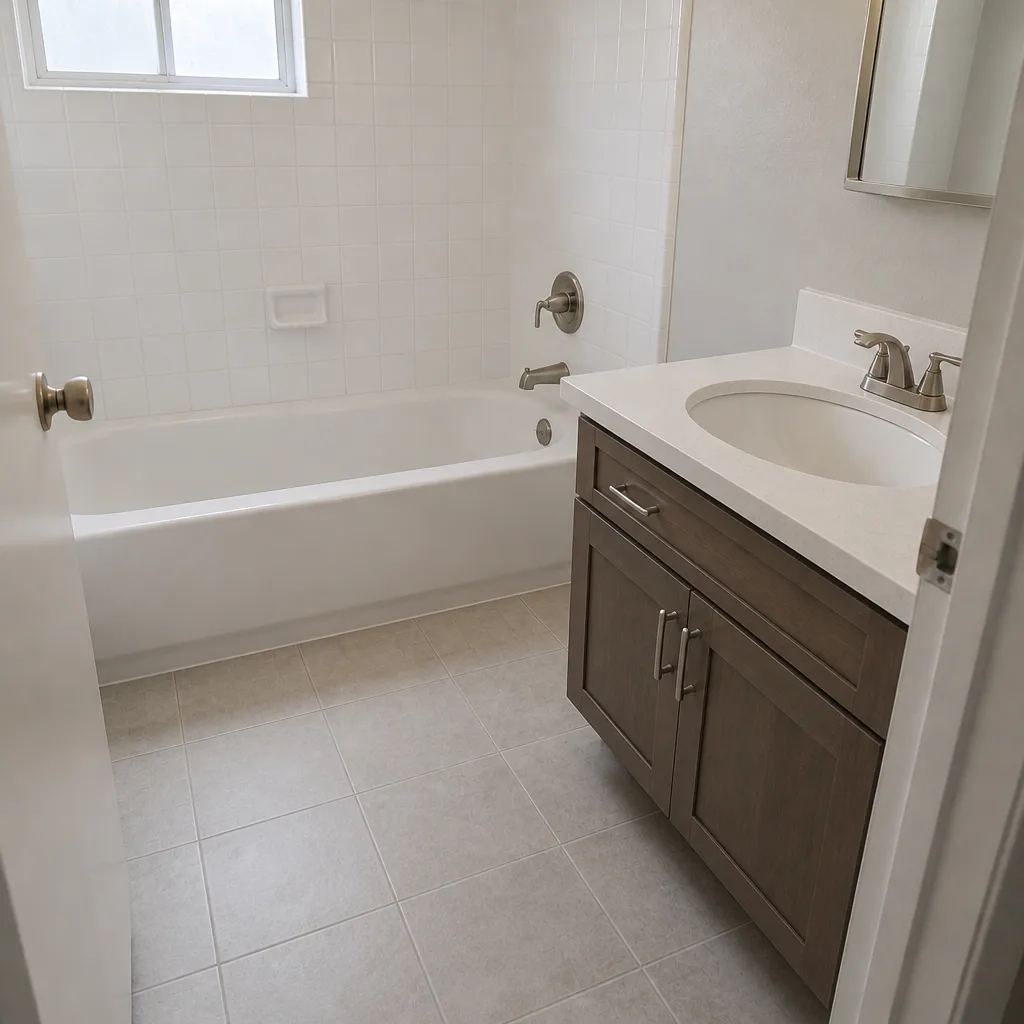
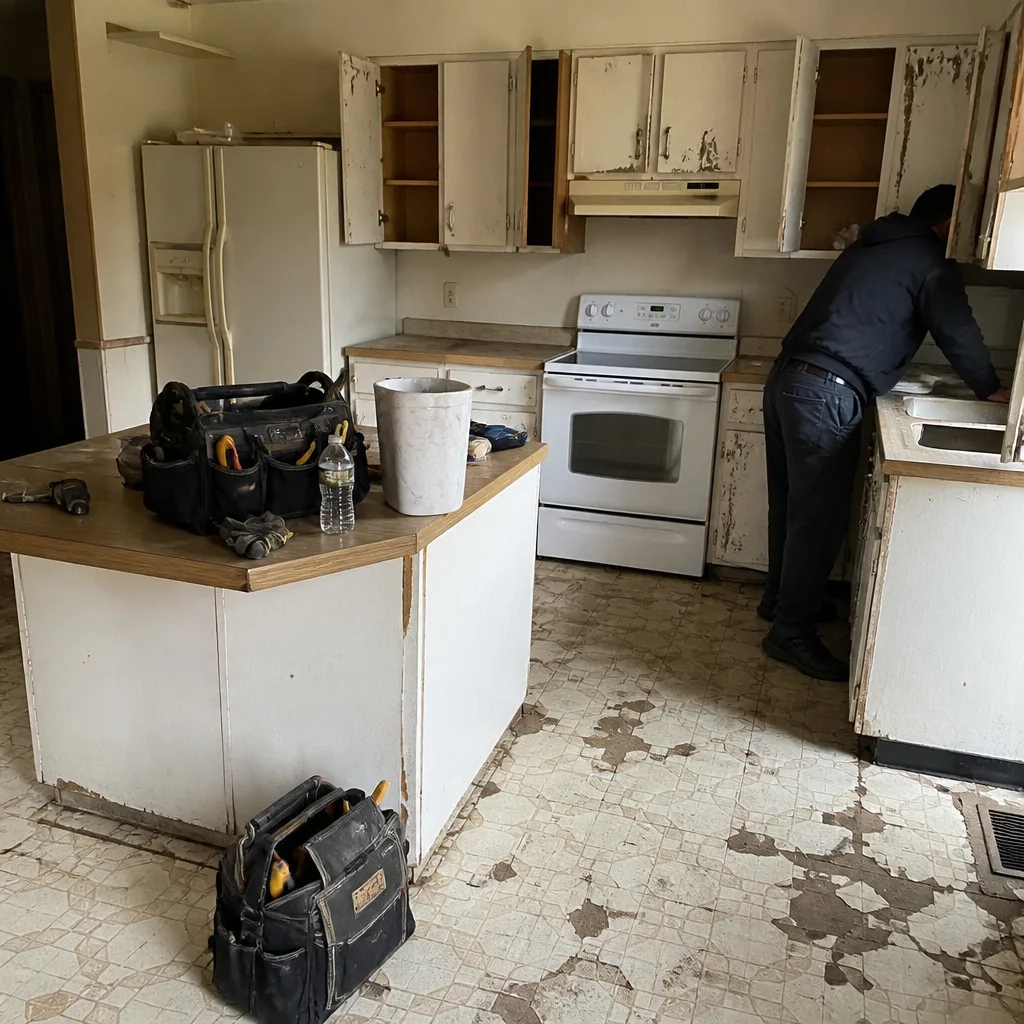
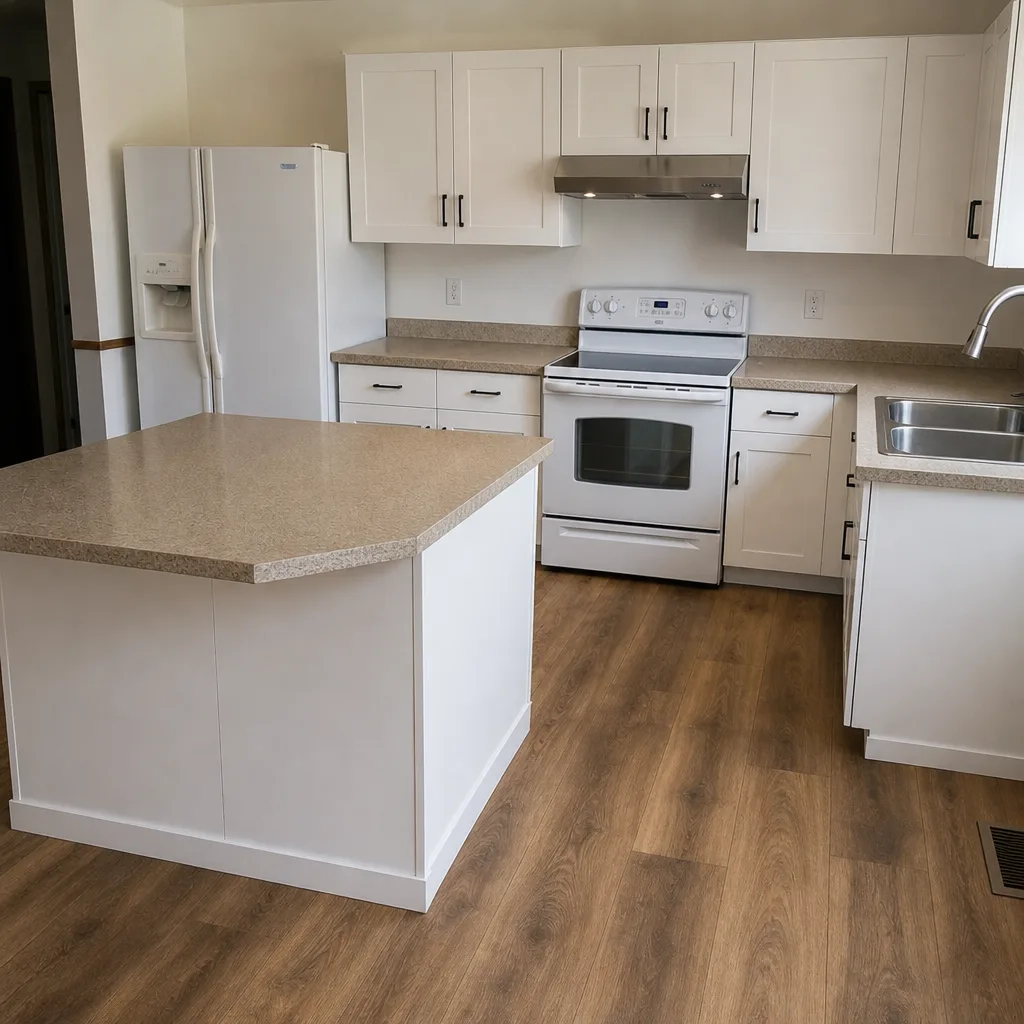
See the difference
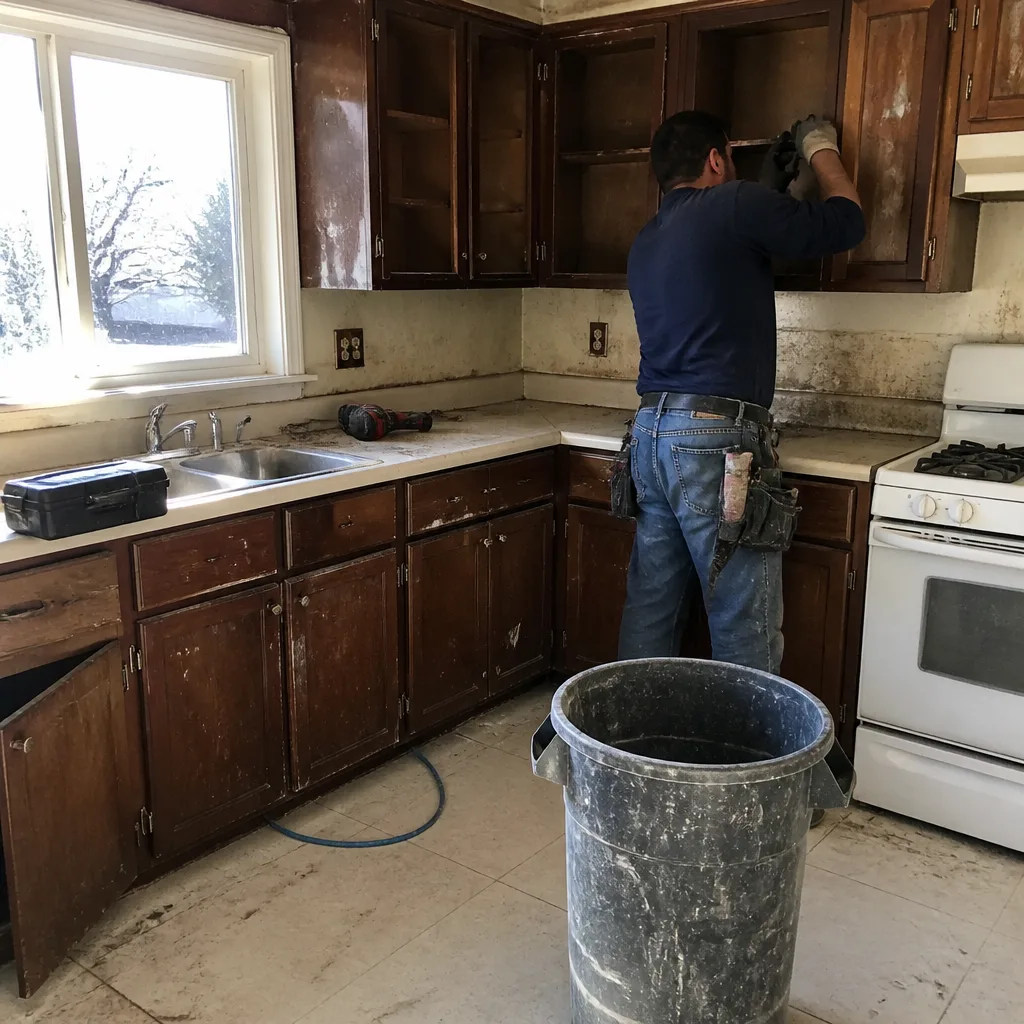 Before
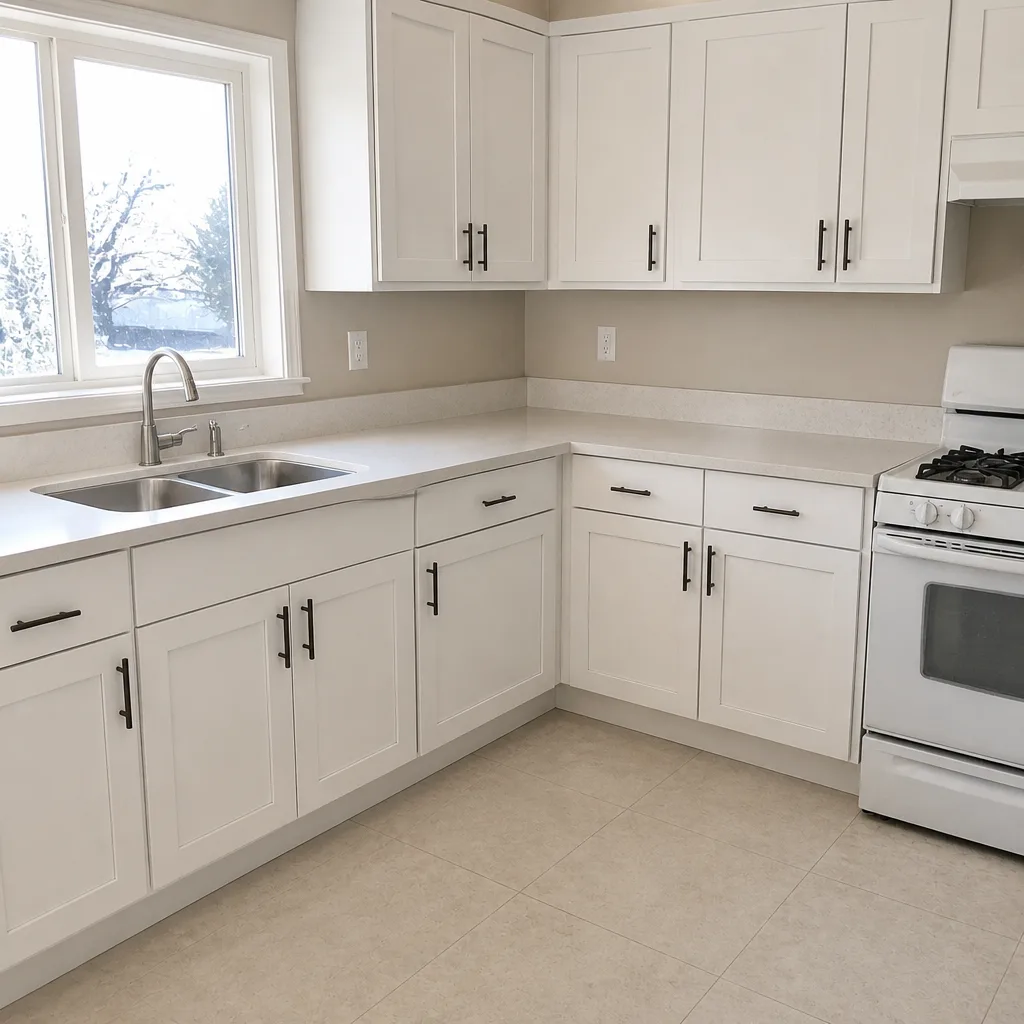 After
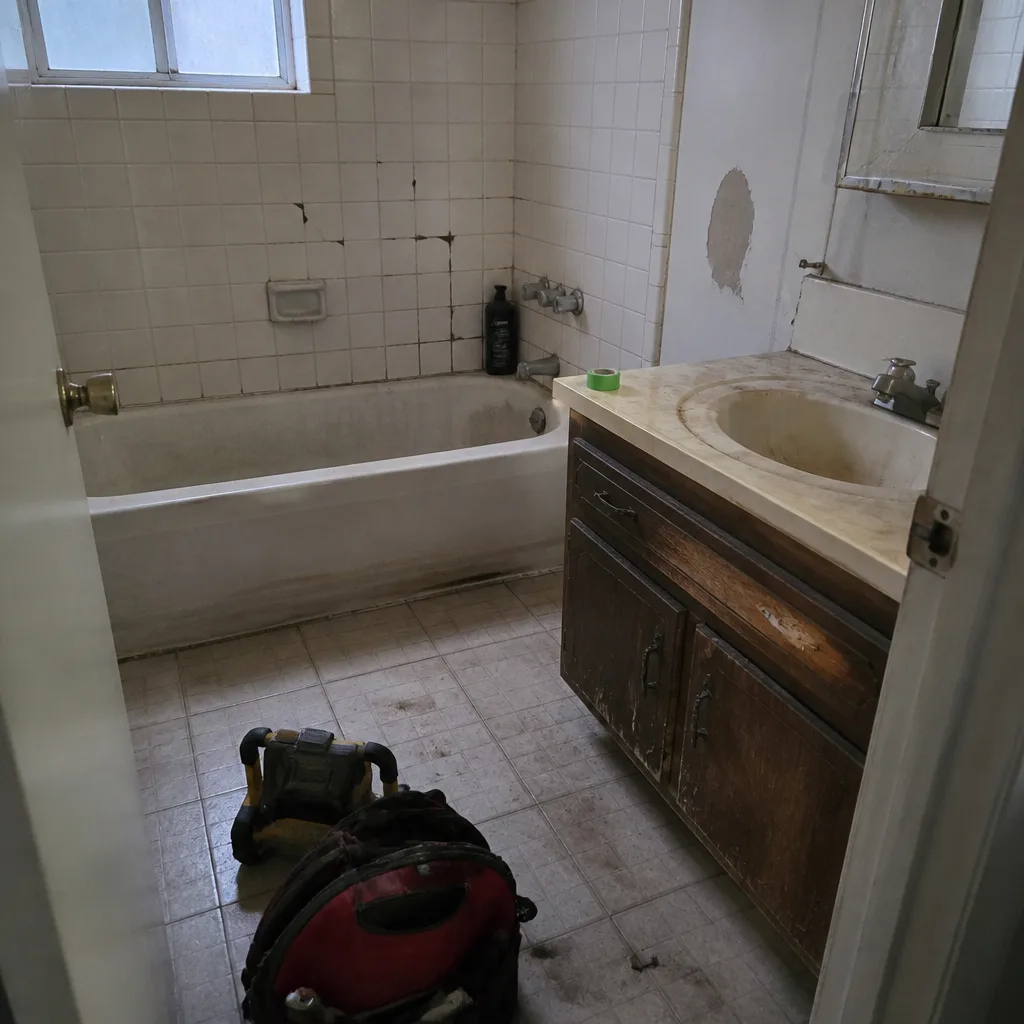 Before
 After
 Before
 After
When to Call a Professional
Call a licensed contractor when a soft floor shows up near a shower or exterior door, when efflorescence keeps returning after cleaning, when cabinet doors drift out of alignment across a run, or when a stair-step crack appears in stucco or brick. Call the moment a contractor you’re talking to can’t produce a written price before work starts, asks for more than 10% upfront, or pressures you to sign the same day. Those are stop-signs, not negotiation points. Also call if a current job changes crews without notice, delivers materials that don’t match the spec, or proceeds without a pulled permit. Penhallow Remodeling Winchester offers free estimates in Winchester. Call (844) 797-9439 to schedule yours, and you’ll get a written price and a written guarantee before any work starts. Our technicians have up to 22 years of experience, they’re background-checked and uniformed on every job, and a live person answers the phone any hour of the day.
Frequently Asked Questions
The biggest warning signs are no written price before work starts, no license number offered voluntarily, same-day signature pressure, more than 10% requested upfront, and no written guarantee on the work. Any one of those is worth walking away from. Call (844) 797-9439 for an exact quote on a Winchester project – estimates are free and always in writing.
Yes. A written price should be in your hands before any work starts, not after demo day. A verbal estimate is a starting point, not a final number. If a contractor won’t put it in writing, the price isn’t firm. Call (844) 797-9439 to see what a written price looks like on a real Winchester project.
An allowance is a placeholder dollar amount in a contract for materials not yet selected, like tile or fixtures. It looks like a price but functions like an estimate: if you choose materials above the allowance, the difference becomes a change order. Ask for the spec sheet behind the allowance, and get a written change-order policy.
A deposit of 10% or less is typical in most markets, with further payments tied to completed milestones rather than calendar dates. Anything above 10% before materials are ordered deserves a written explanation. Call (844) 797-9439 for a written price and payment schedule before you sign with any contractor in Winchester.
Efflorescence is the white, chalky mineral powder that appears on tile and grout when water migrates through the surface. It’s a warning sign of moisture behind the tile, not just a cosmetic issue. If it returns after cleaning, it’s worth a professional inspection before it becomes a substrate repair.
No. Work that requires a permit should be permitted and inspected, and a contractor who skips it is skipping your independent confirmation the work meets code. In Winchester, the permit workflow can differ between in-city and unincorporated properties. Ask who pulls the permit and who pays before signing. Call (844) 797-9439 if you want a second opinion on a current job.
The Bottom Line
Two checklists, one guide. The first tells you when your home needs work: soft floors, efflorescence, cabinets out of square, stair-step cracks. The second tells you when the contractor you’re talking to is trouble: no written price, no license, same-day pressure, more than 10% upfront, no written guarantee. The most expensive sign across both lists is the verbal estimate that “might change once we get in there.” A written number and a written guarantee before work starts are the only protections that hold up at the invoice. In Winchester, the homeowners who come out ahead are the ones who read both checklists before they sign anything.
Ready to see what a clean contract looks like? Call Penhallow Remodeling Winchester at (844) 797-9439 for a free estimate on your kitchen, bathroom, or whole-home remodel. You’ll get a written price, a written guarantee, and a live person on the line any hour of the day.
Written by the team at Penhallow Remodeling Winchester.