Last updated November 18, 2026
Free written scope consultation - allowances, timeline, and change-order rules on paper before a single trade is scheduled
The Complete General Contractor Guide for Winchester Homeowners
Most Winchester homeowners don’t know that Nevada requires a written contract for any home improvement job over $1,000. Yet the majority of remodeling disputes in the state trace back to verbal agreements that were never put on paper – handshakes, texts, and “we’ll figure out the details later” that later becomes a very expensive argument. Here’s what this guide does: it teaches you to read a contractor’s proposal like a professional, so the written number you sign is the number you actually pay. We’ll walk through Nevada’s licensing tiers, how to decode an estimate line by line, what Winchester’s high-desert climate does to your material choices, and which questions separate a real bid from an open-ended guess. By the end, you’ll know exactly what you’re signing before the first tool bag hits your floor.
Quick Answer
To hire a general contractor in Winchester, NV, verify their Nevada State Contractors Board license and classification (a B-2 for most whole-home and structural remodels, C-series for trade-specific jobs), insist on a written contract with line-item pricing before work starts, and read the allowances carefully – those are where “estimates” quietly grow. A legitimate Winchester contractor gives you a fixed written price, a defined arrival window, and a written workmanship guarantee before demo day, not after.
Styles & brands we work with
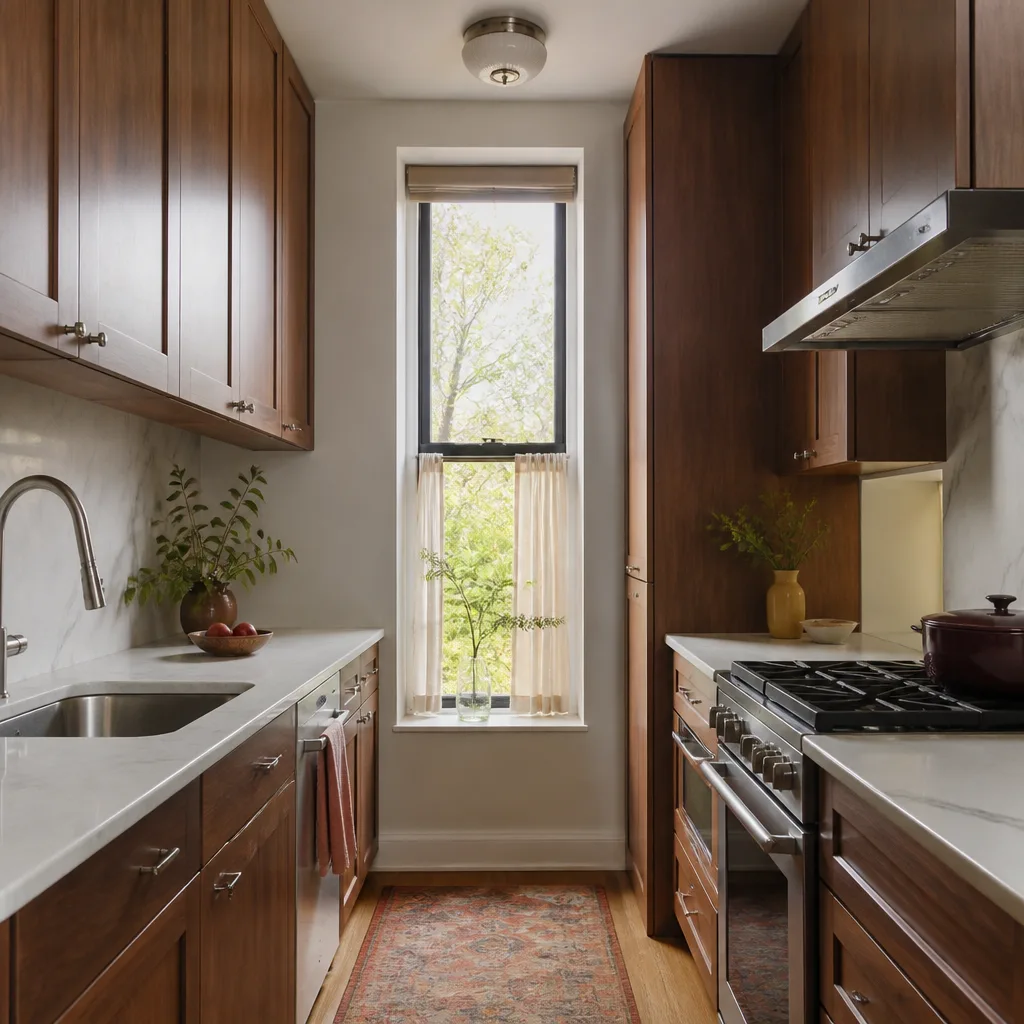
- Kitchen remodeling
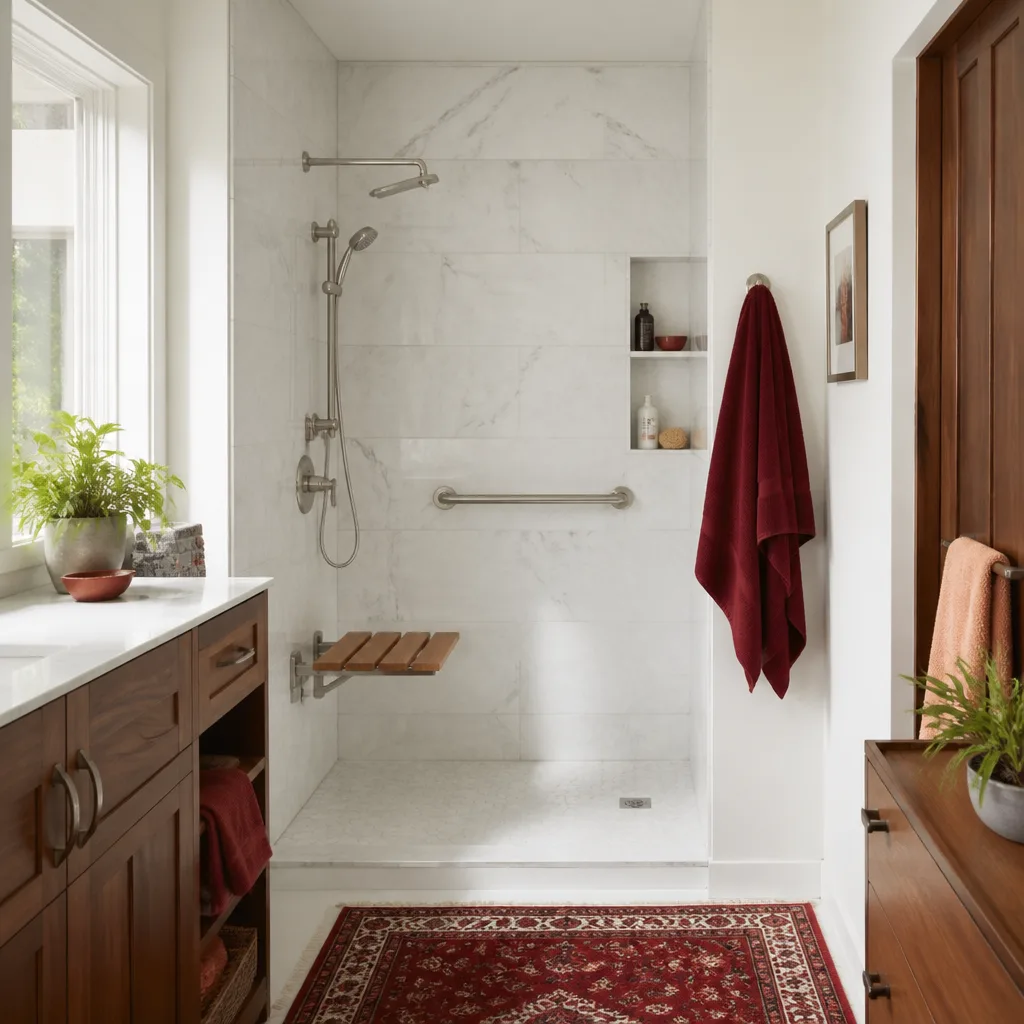
- Bathroom remodeling
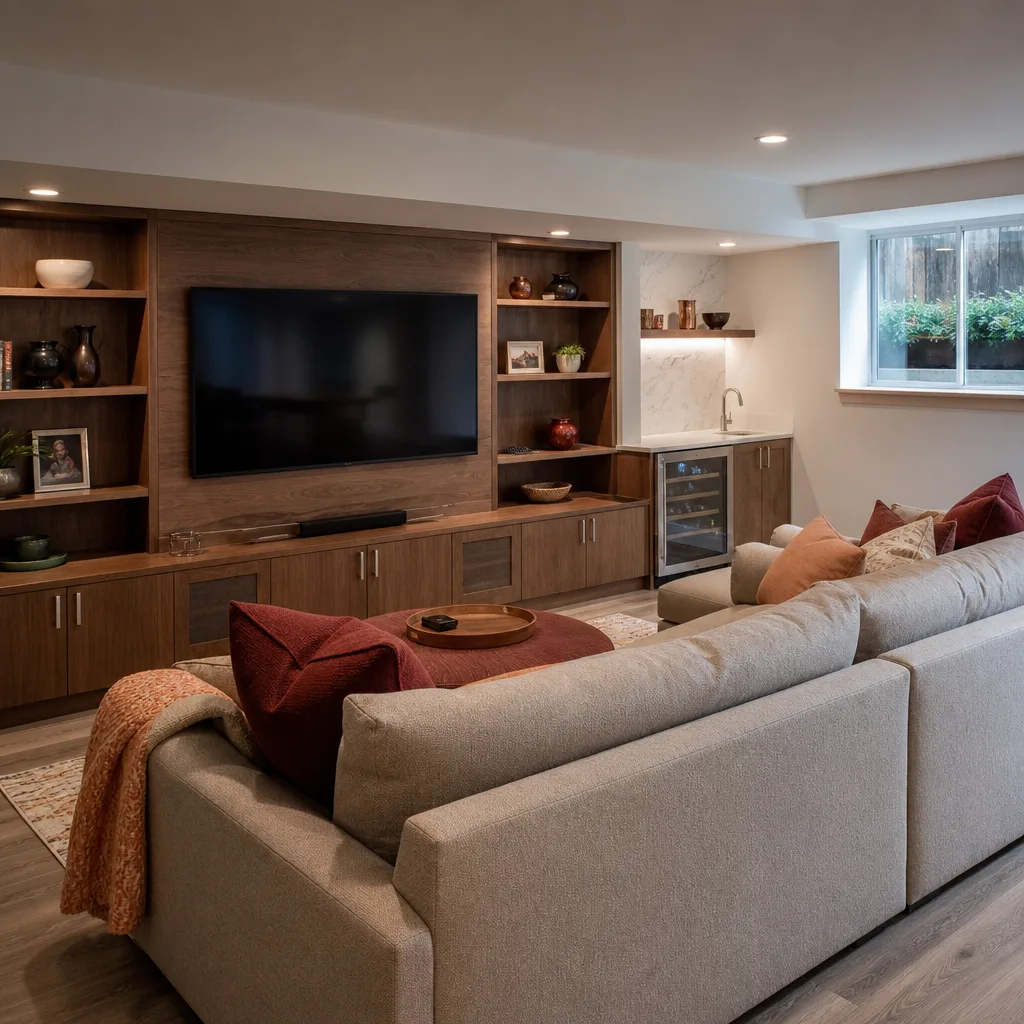
- Home additions & ADU
- Roofing
- Windows & doors
- Driveway & pavers
- Fence
Table of Contents
- What Nevada Contractor Licensing Tiers Actually Mean
- How to Decode a Winchester Contractor’s Estimate Line by Line
- The Questions to Ask Before You Sign
- Why Winchester’s Climate Changes Your Material and Scheduling Choices
- The 365-Day Workmanship Guarantee vs. a Standard 1-Year Warranty
- Permits, Inspections, and the Paper Trail
- Warning Signs of a Bid You Shouldn’t Sign
- How to Choose the Right Contractor for Your Project
What Nevada Contractor Licensing Tiers Actually Mean
Nevada doesn’t have a single “contractor license.” It has a tiered system run by the Nevada State Contractors Board (NSCB), and the classification on the license tells you exactly what work that contractor is legally allowed to perform. Getting this wrong is one of the most common – and most costly – mistakes Winchester homeowners make.
Here’s the short version of what the common classifications mean:
- Class B (General Building Contractor): Can build or remodel structures that involve more than two unrelated trades. If your project touches framing, electrical, plumbing, and finishes, you likely need a B classification or a B-2 sub-classification.
- Class B-2 (Residential and Small Commercial): The workhorse for home remodeling. Covers residential and small commercial projects that involve multiple trades. Most full kitchen and bathroom remodels in Winchester fall here.
- Class C-series (Specialty): Single-trade licenses – C-1 for plumbing, C-2 for electrical, C-3 for carpentry, and so on. Someone can be a perfectly good C-3 carpenter without being legally able to run your whole remodel.
- Class A (General Engineering): Heavy construction – roads, grading, large site work. Not typical for home remodels.
The practical test: ask for the license number, look it up on the NSCB website, and confirm the classification matches the scope of your project. A contractor who says “we’re licensed” without telling you the classification is either unsure or hoping you won’t check. In Winchester, where a lot of small operators work under a single-trade license while coordinating multi-trade remodels, this check matters more than you’d think. Our work as a general contractor in Winchester starts with being clear about scope – and a real contractor will name their classification without hesitation.
How to Decode a Winchester Contractor’s Estimate Line by Line
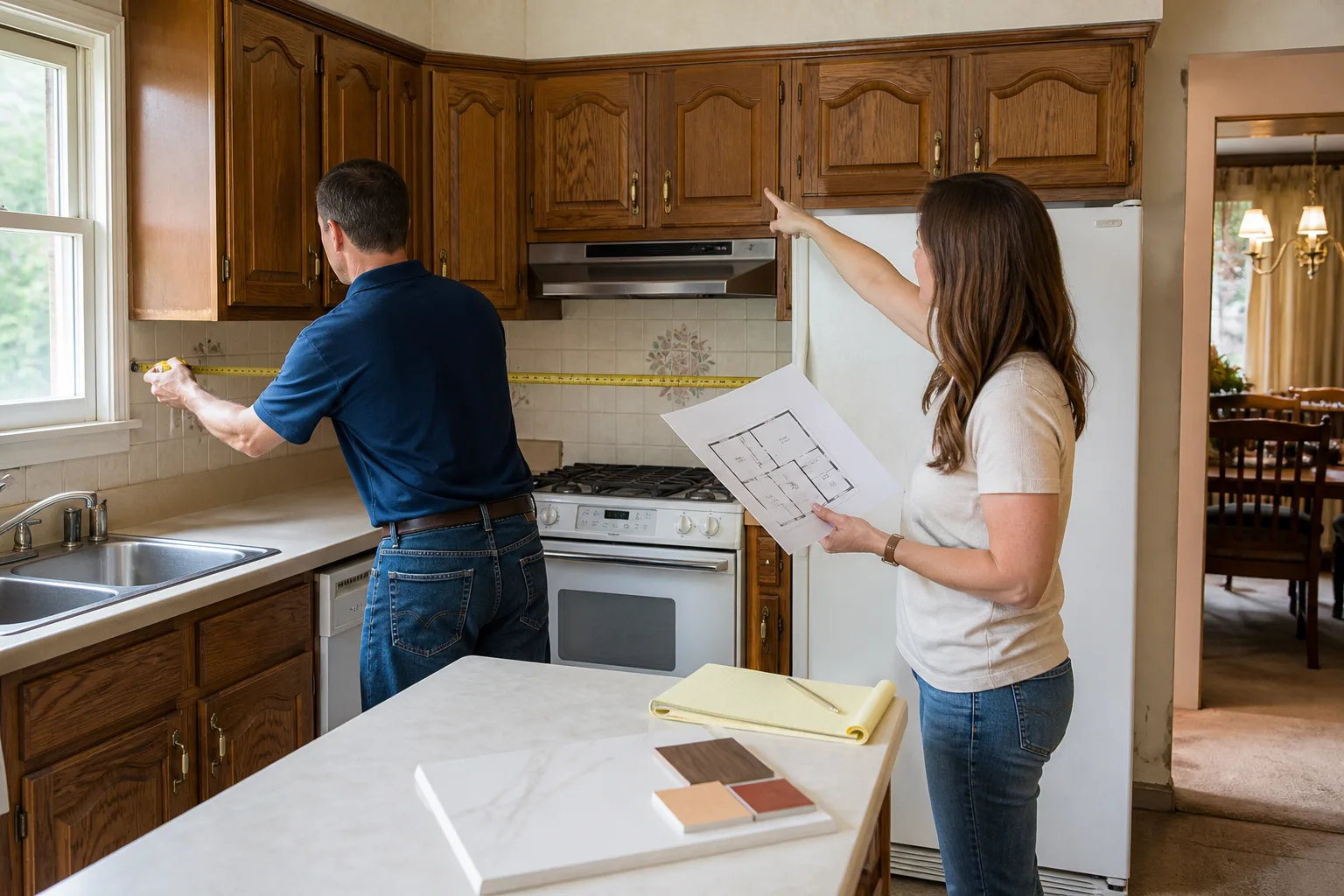
This is the part homeowners skip, and it’s the part that decides whether your project finishes on budget. A written estimate is not a single number on a page – it’s a stack of line items, and each line item is either fixed or open-ended. Your job is to know which is which before you sign.
Walk through a typical Winchester kitchen or bath estimate in this order:
- The scope summary. Does it name exactly what’s being removed, installed, and finished? “Remodel kitchen” is not scope. “Remove 32 linear feet of builder-grade oak cabinets, install KraftMaid shaker cabinets, replace laminate with quartz” is scope.
- The fixed-price lines. Labor, demolition, hauling, and installation should carry a firm number. If a line says “approx.” or “TBD,” ask why.
- The allowance lines. An allowance is a placeholder dollar figure for a material nobody has selected yet – often tile, fixtures, or countertops. If the estimate says “countertops: $2,500 allowance,” you’ll pay the difference if you choose Cambria instead of a lower-tier quartz. Real costs at Winchester supplier prices can double that allowance comfortably. Ask what happens if you exceed it, and who eats the overage.
- The contingency. Remodels in older Winchester homes sometimes turn up surprises behind the wall – old plumbing, non-code wiring, dry rot from a past roof leak. A legitimate contractor names a contingency percentage or explains how surprises are handled in writing. A verbal “we’ll deal with it if it comes up” is how budgets die.
- The change-order clause. How are mid-project changes priced, and who approves them? You should approve, in writing, before the work happens.
- The payment schedule. Progress payments tied to milestones are normal. Large deposits before any material is ordered or permits pulled are not.
When the estimate is a fixed written price with clear scope, client selection allowances spelled out, and a change-order process in writing, the number on day one stays the number on the invoice. That’s the standard we hold ourselves to on every job, whether it’s a Winchester bathroom remodel or a full-home renovation.
The Questions to Ask Before You Sign
Ask these on the second visit – the first visit is for scope, the second is for the bid – and note whether the answers are firm or fuzzy. Firm answers in writing are the goal.
- “Is this a fixed bid or an estimate?” A fixed bid means the price is locked for the specified scope. An estimate means the number is a guess. Both are legitimate but they carry vastly different risk.
- “How much of this is allowance, and what happens if we go over?” Get the number and the policy for overage in writing.
- “Who pulls the permits?” In Winchester, the contractor on record should be the one pulling permits for the work they’ll perform. If a homeowner pulls a permit, the homeowner carries the liability for code compliance.
- “What does the workmanship guarantee cover, and for how long?” A year is standard. Longer is better. Make sure it’s written, not verbal.
- “What’s the arrival window, and who do I call if the schedule slips?” “Sometime Tuesday” is not a window.
- “Are your technicians background-checked and uniformed?” People are coming into your home. You’re allowed to ask.
- “Who is my single point of contact?” Juggling three phone numbers and never getting a call back is the number-one complaint we hear from Winchester homeowners about their last remodel.
A contractor who pushes back on any of these questions – or promises everything verbally without following up in writing – has just answered the most important question of all.
Why Winchester’s Climate Changes Your Material and Scheduling Choices
Winchester sits in the Mojave high desert at roughly 2,000 feet, and that geography quietly rewrites the contractor’s playbook. Summer highs routinely push past 105°F. Winter nights dip into the 30s. The swing between day and night can run 30 to 40 degrees. This is not cosmetic trivia – it reshapes what materials hold up and when work gets scheduled.
Concrete examples, not theory:
- Exterior trim. Wood trim and standard-grade stucco patch products expand and contract dramatically with the temperature swing, which is why we recommend James Hardie fiber cement for exterior cladding – it holds paint longer and resists the crack-and-check pattern common to wood in high desert heat.
- Tile and grout. Interior tile set during a July afternoon when the house is 78°F is fine. Tile set on an unconditioned back patio in 105°F ambient will cure too fast and lose adhesion. Scheduling the tile work for morning, or keeping the house conditioned, is not optional.
- Cabinet installation and humidity. Solid wood doors from KraftMaid or Wellborn want to be in a space that’s at stable indoor humidity. If a Winchester kitchen install happens before the HVAC is running, we’ve seen doors cup and gap. Sequencing the HVAC before cabinet day solves this.
- Paint and stucco timing. Exterior paint applied above 95°F surface temperature skins over too fast and traps moisture. Winchester exterior work is scheduled for mornings during the hot season and mid-day during the cooler months.
- Slab and hardscape. Concrete poured in July needs shade and moisture control to cure evenly. A contractor from a coastal market who schedules a slab pour for 3 p.m. in July doesn’t know Winchester.
We learned these patterns over years of working in this specific climate, and our technicians carry up to 22 years of experience – most of it gained reading this exact terrain. When you interview a contractor, ask how they sequence a summer kitchen install. If the answer doesn’t mention the heat, they haven’t done this here.
The 365-Day Workmanship Guarantee vs. a Standard 1-Year Warranty
A “one-year builder’s warranty” and a “365-day workmanship guarantee” sound like the same sentence. They aren’t. And the difference matters more than the wording suggests.
A typical builder’s warranty covers defects in materials to the extent the manufacturer covers them – it’s often a warranty that passes the buck to the product maker. If a Kohler faucet cartridge fails, you call Kohler. If your cement board substrate cracks because it was installed wrong, a standard builder’s warranty may point back at the manufacturer and say the product failed outside of spec. You end up holding a warranty document that doesn’t actually fix anything.
A true 365-day workmanship guarantee works differently. It covers the labor and installation – the part that’s actually the contractor’s responsibility. If a tile joint fails, the grout cracks, a cabinet door gaps, or a shower pan leaks within the calendar year, the contractor comes back and fixes it. No service-call fee. No re-inspection fee. No argument about whose fault it was.
The questions to ask about any guarantee in a Winchester proposal:
- Does it cover labor and installation, or just pass-through product warranties?
- Is it written into the contract, or mentioned verbally?
- What’s the call-out process – who do you call, and does it cost anything?
- Does it reset when a repair is made, or is it a fixed clock from the original completion date?
The 365-Day Done Right Promise on our projects means exactly this: if the work fails inside the year, we come back and make it right at no charge – and if a repair needs a second visit, that visit is also free. That’s the standard we hold, and it’s why we put the guarantee in writing alongside the price before any cabinet is pulled.
Permits, Inspections, and the Paper Trail
Permits are not bureaucracy – they’re the written record that your work was inspected against code. In Winchester, Clark County’s building department requires permits for structural changes, electrical work, plumbing changes, and most remodels that touch the systems inside a wall. Skipping a permit to save a few hundred dollars can cost you the ability to sell the house, or the ability to make an insurance claim after a leak.
The paper trail that should exist on any legitimate Winchester job:
- The permit application naming the licensed contractor and classification.
- Inspection sign-offs at rough-in (before drywall) and final (after finishes).
- The written contract with scope, line items, allowances, and payment schedule.
- Change orders for every mid-project adjustment, signed by the homeowner.
- The written workmanship guarantee with start and end dates.
- Lien releases from any subcontractors or suppliers, or proof that the contractor is covered for these.
When you get all six, you have real protection. When you get a handshake, a napkin, and “we’ll square up at the end,” you have none. If any of that sounds like more paperwork than your last contractor offered, that’s the point – a serious Winchester contractor hands you the file, not a promise.
Warning Signs of a Bid You Shouldn’t Sign
Most homeowners who get burned had a bad feeling at some point in the process. Learning to trust that feeling is half the skill. But there are also objective, red-flag signals that should end the conversation before a deposit changes hands.
- A bid that’s a single number with no breakdown. If the proposal is one lump sum with no line items, you have no way to know what’s included and no defense when the scope creeps.
- A price that can’t be explained. “We’ll beat any bid by 10%” without knowing what’s in the scope is a red flag – the number isn’t real yet.
- License number not provided or not matching the classification. Look it up. Every time.
- Pressure to sign today. Real contractors don’t have a “today only” price. A written bid is good for a reasonable window – usually 30 days – and then expires because material prices move.
- Large upfront deposit. Be wary of anything over about 10-15% before material is ordered. Nevada law allows a down payment, but a 50% deposit up front is how homeowners lose money when a contractor walks.
- No written guarantee offered. If the workmanship guarantee isn’t in the paperwork, it doesn’t exist.
- No permit pulled for major work. If they say you don’t need one, ask the county. You’ll have your answer.
None of these flags is rare. In a market as active as Winchester’s, there are more contractors than there are qualified ones. The written bid isn’t the start of the paperwork – it’s the filter.
How to Choose the Right Contractor for Your Project
After the paperwork checks out, the deciding factor comes down to three things: whether the contractor communicates in writing, whether they answer the phone, and whether they stand behind the work after the last box of tile hits the dumpster.
On communication: a written price before work starts is the baseline. Not a range, not a verbal ballpark, not “we’ll finalize after demo.” A written number you can hold them to. On availability: a live person answering the phone matters more than a shiny brochure. You should be able to reach someone at the moment something comes up, not two days later. On standing behind the work: the guarantee has to be real, written, and honored after the crew has moved on to the next job.
The brands behind the job are another signal. A contractor installing KraftMaid or Wellborn cabinetry, Cambria or Silestone countertops, and Kohler or Moen fixtures is choosing products that come with their own manufacturer warranties layered under the contractor’s workmanship guarantee. That stacking matters when something fails – you want the layers, not just one thin promise.
You can learn more about how we run projects on our Winchester home remodeling page – and if your project centers on the kitchen, our team’s guide to kitchen remodeling in Winchester walks through the cabinet and countertop decisions that drive most of the cost.
Common Mistakes to Avoid
- Accepting a verbal estimate as a final price. In Nevada, that verbal number is not a contract – and when the price changes on demo day, you have no legal footing to argue. Get every figure in writing.
- Choosing the lowest bid without reading the scope. A $9,000 kitchen bid that leaves out countertops, tile, and lighting isn’t actually $9,000. Compare line by line, not top line.
- Overlooking allowance amounts. An allowance of $2,500 for countertops in a Winchester kitchen will not cover most Cambria quartz selections at local prices. Ask what a realistic number is before you sign.
- Skipping the license lookup. Nevada State Contractors Board has a public lookup. Use it. A B-2 classification isn’t the same as a C-3, and if the project scope exceeds the contractor’s classification, your permit may not pass final inspection.
- Letting the contractor pull permits on your name as “owner-builder.” This is legal in Nevada for owner-occupants, but it shifts all code compliance risk onto you, and it can complicate a future sale of the home.
- Not asking when the crew will arrive each day. In Winchester’s heat, a crew that arrives at 2 p.m. in July is working during the hottest three hours of the day. Morning start times aren’t a preference – they’re a quality issue.
- Signing without a written guarantee. “We stand behind our work” is a slogan, not a contract. A 365-day workmanship guarantee in writing is the difference between a promise and a policy.
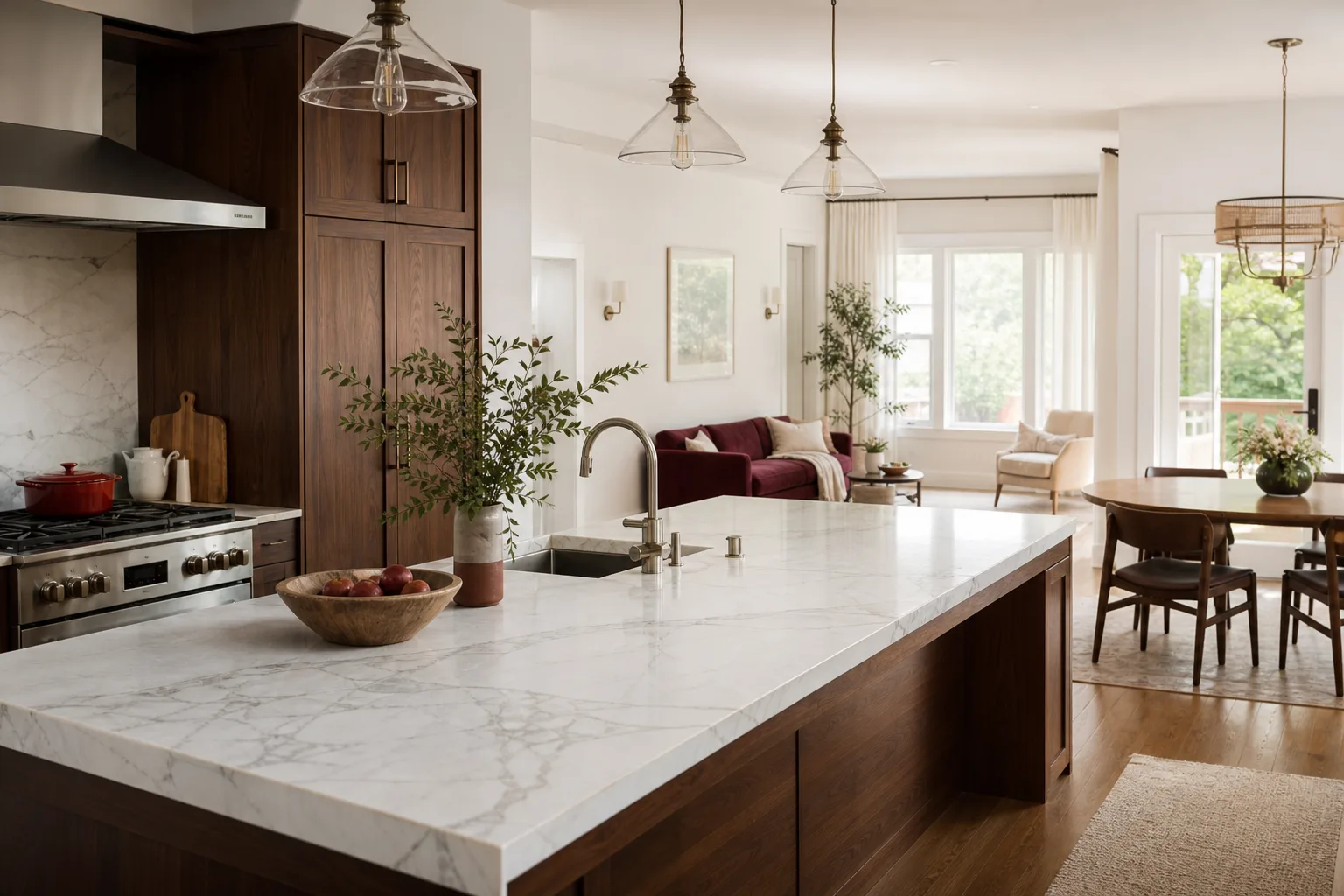
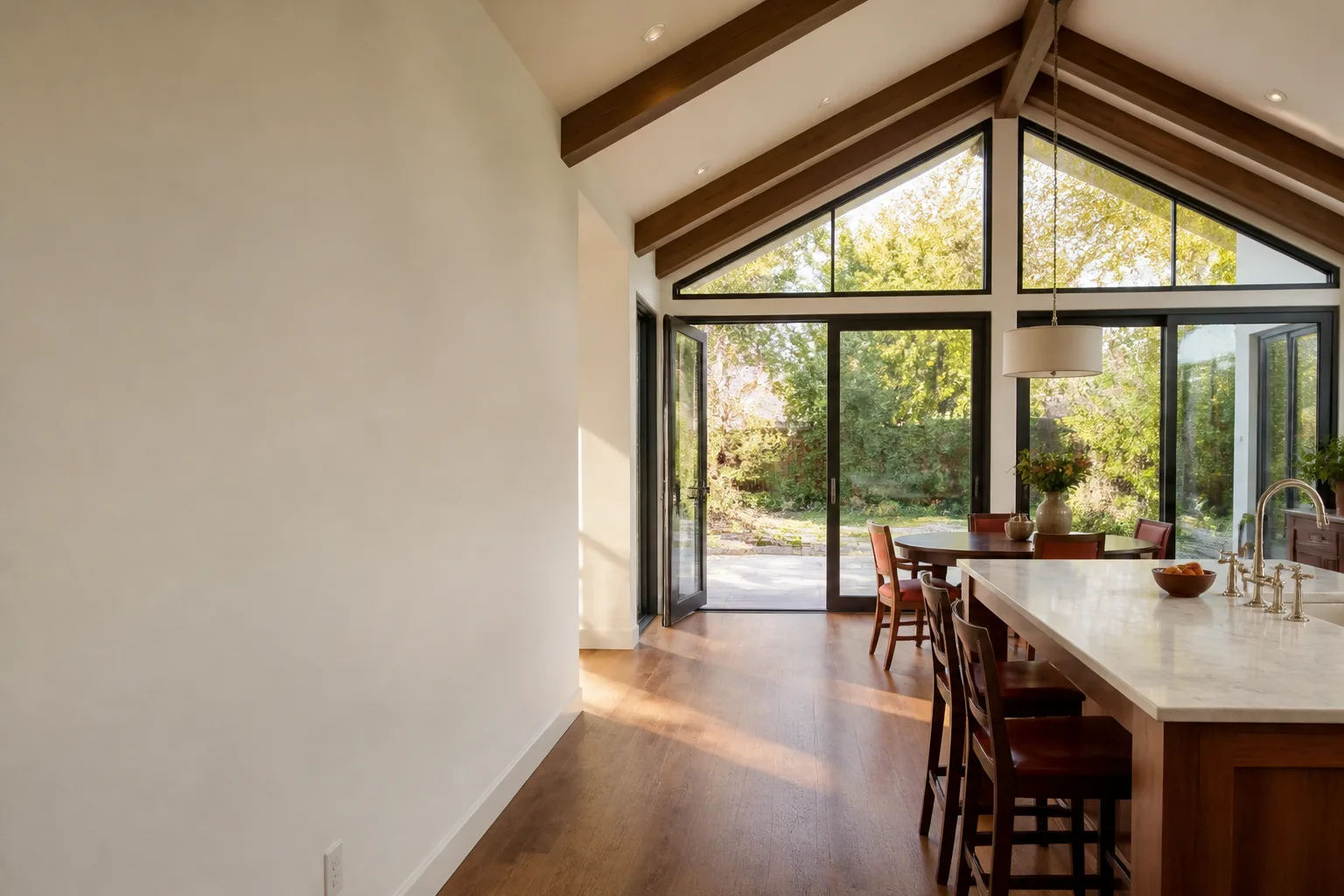
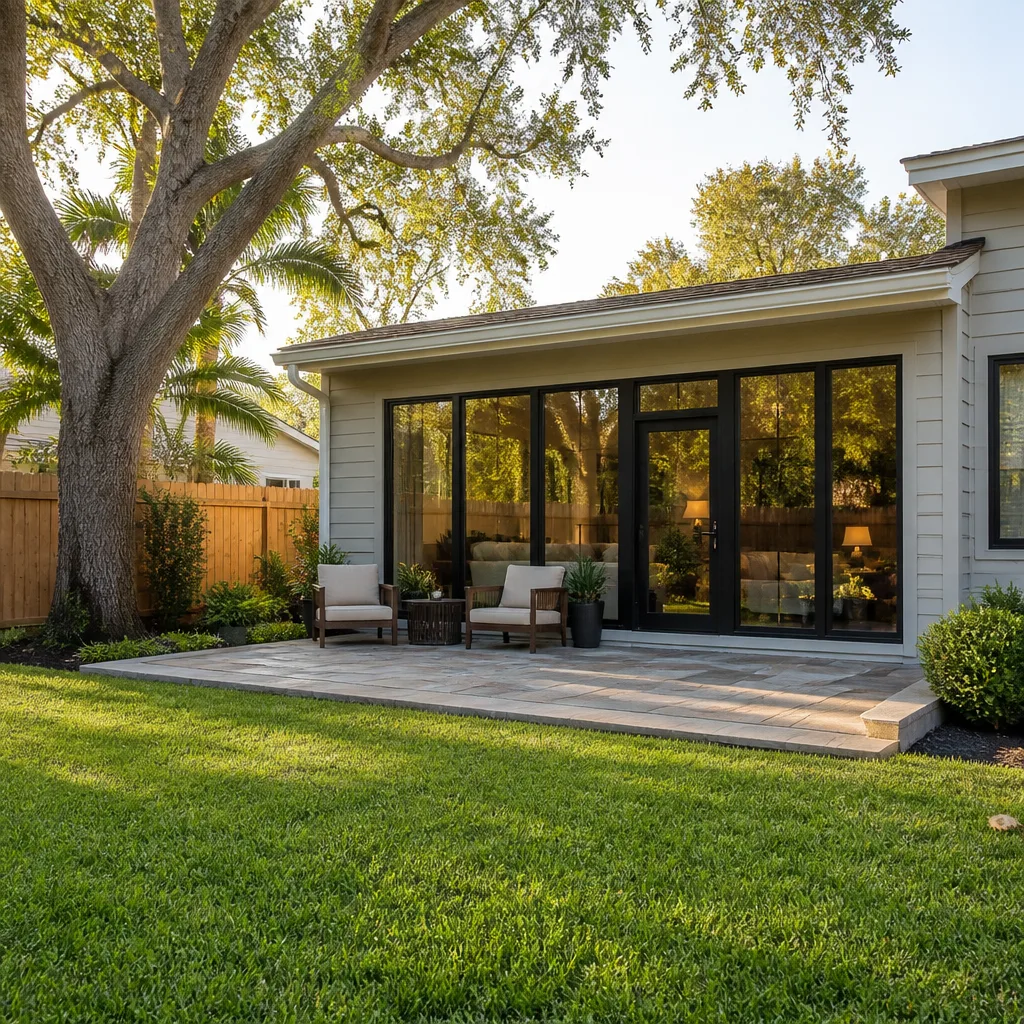
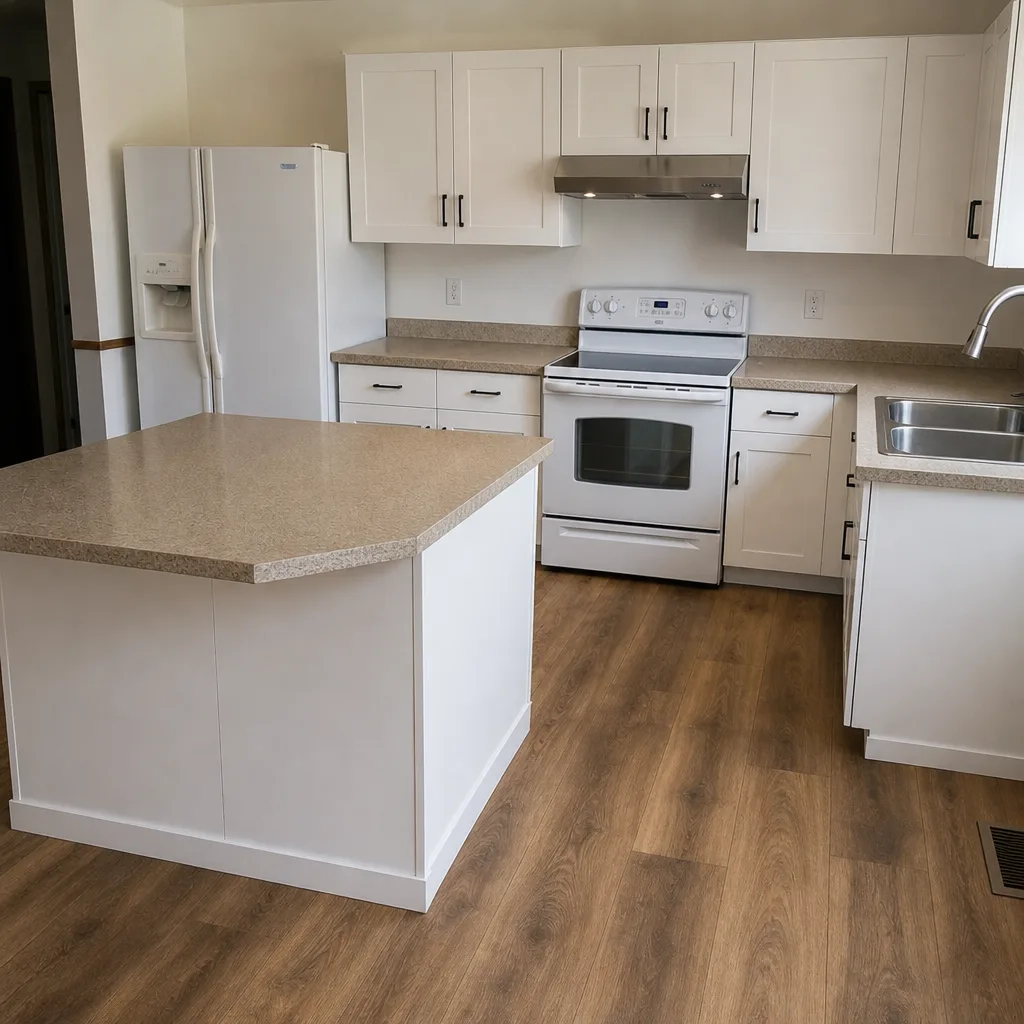
See the difference
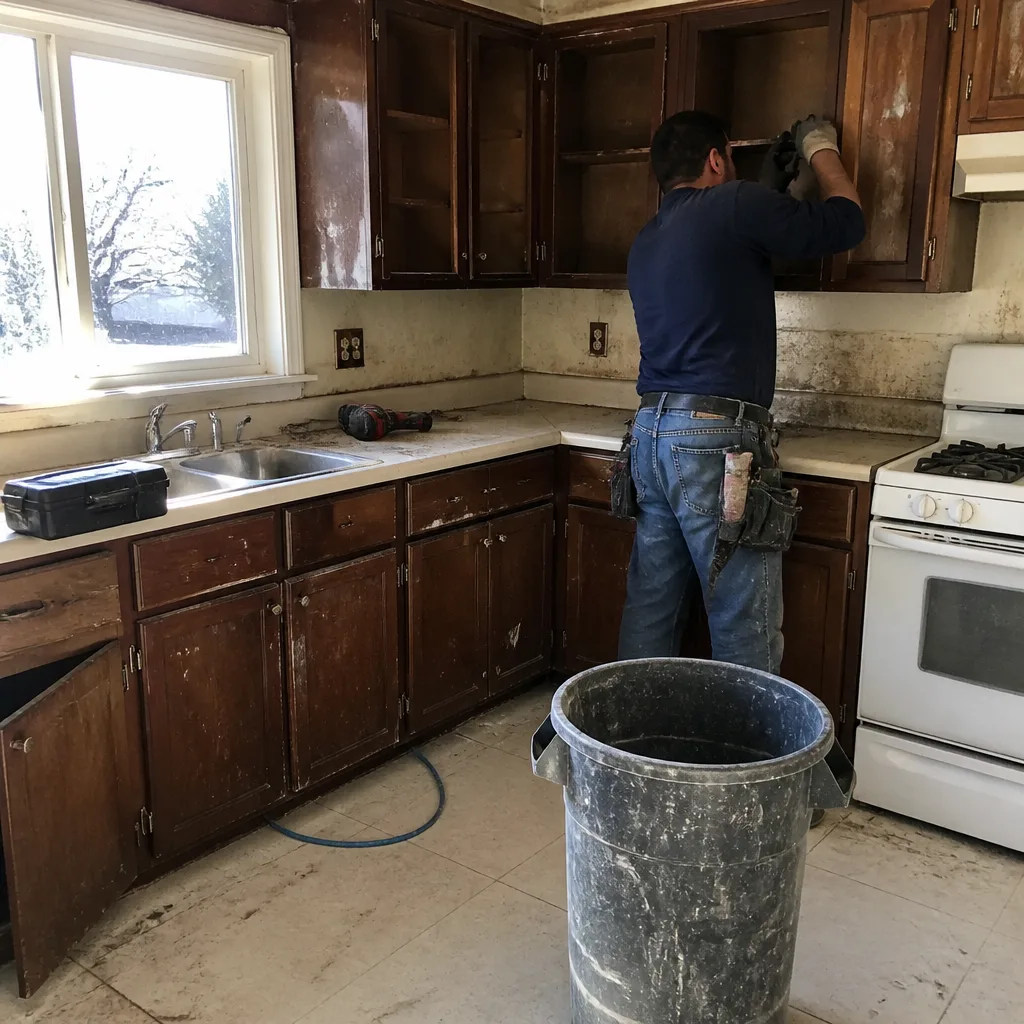 Before
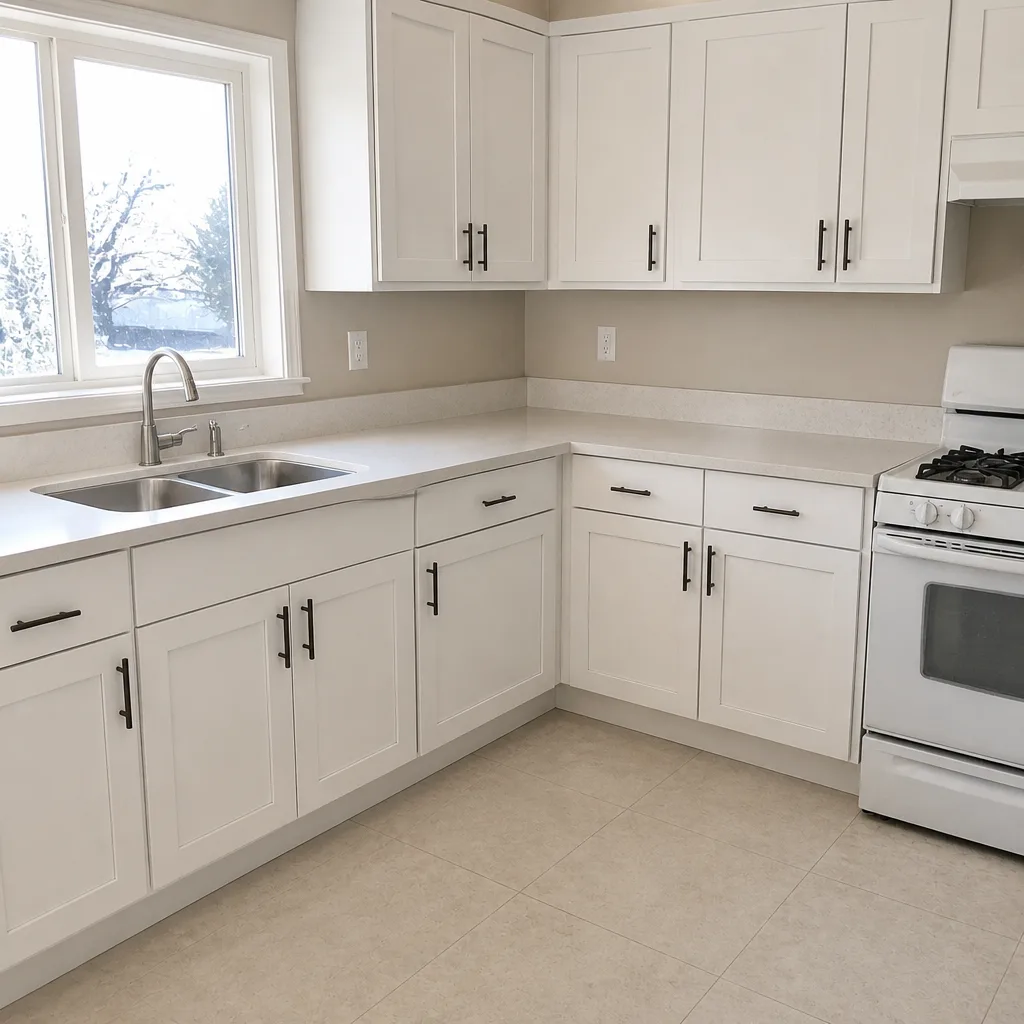 After
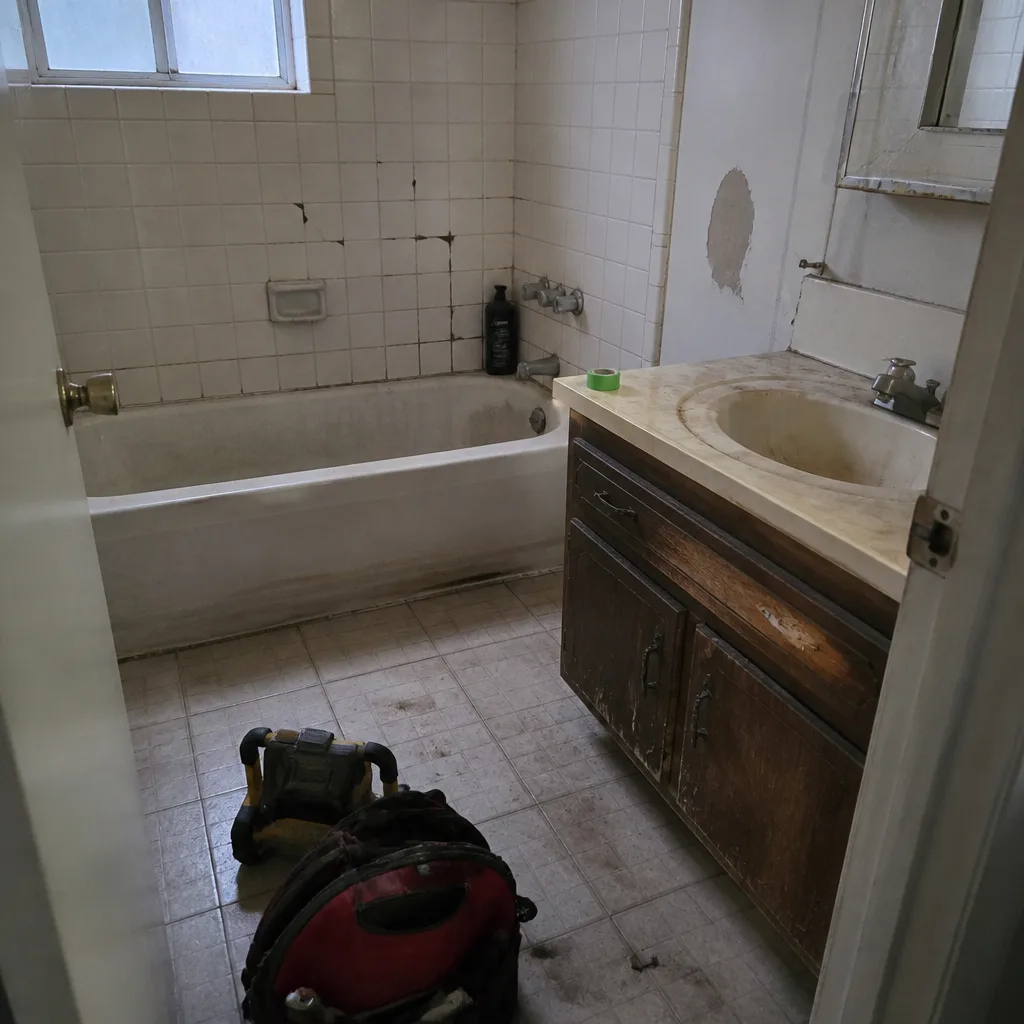 Before
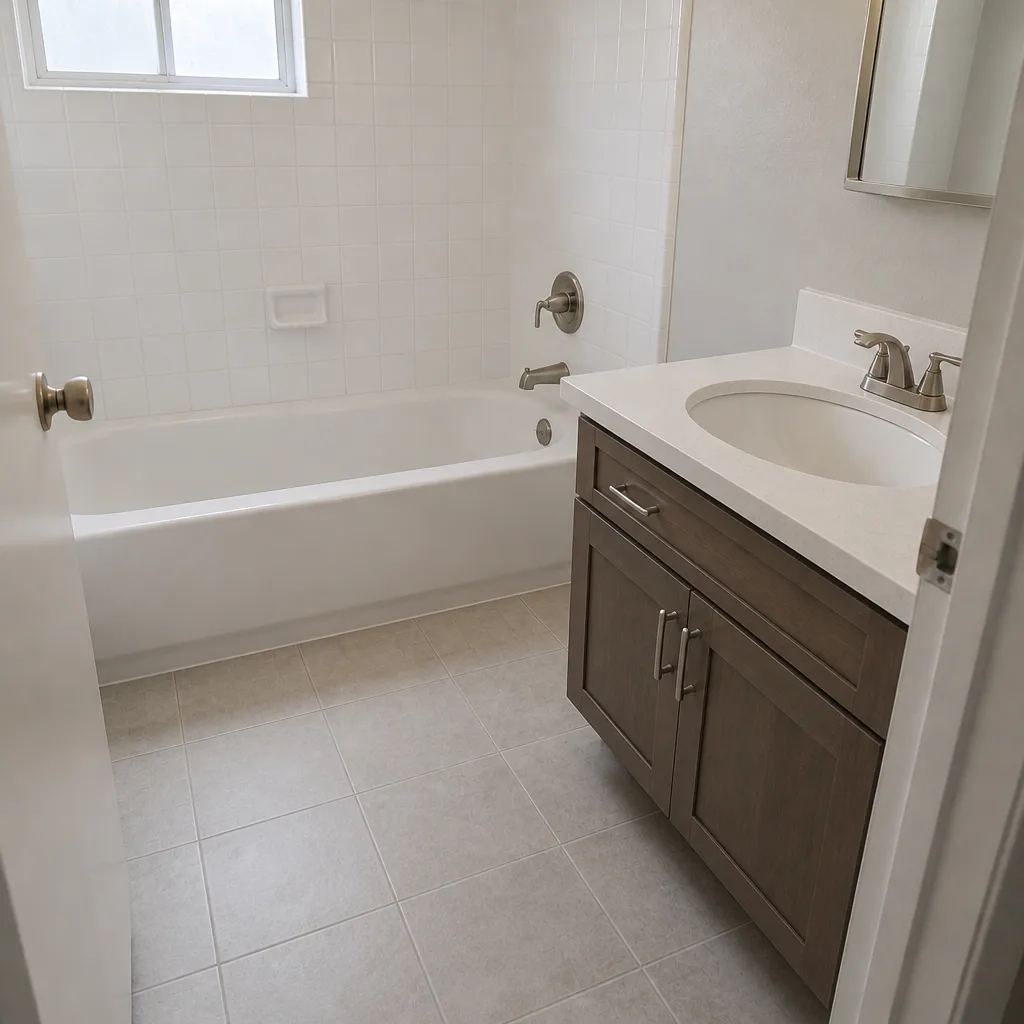 After
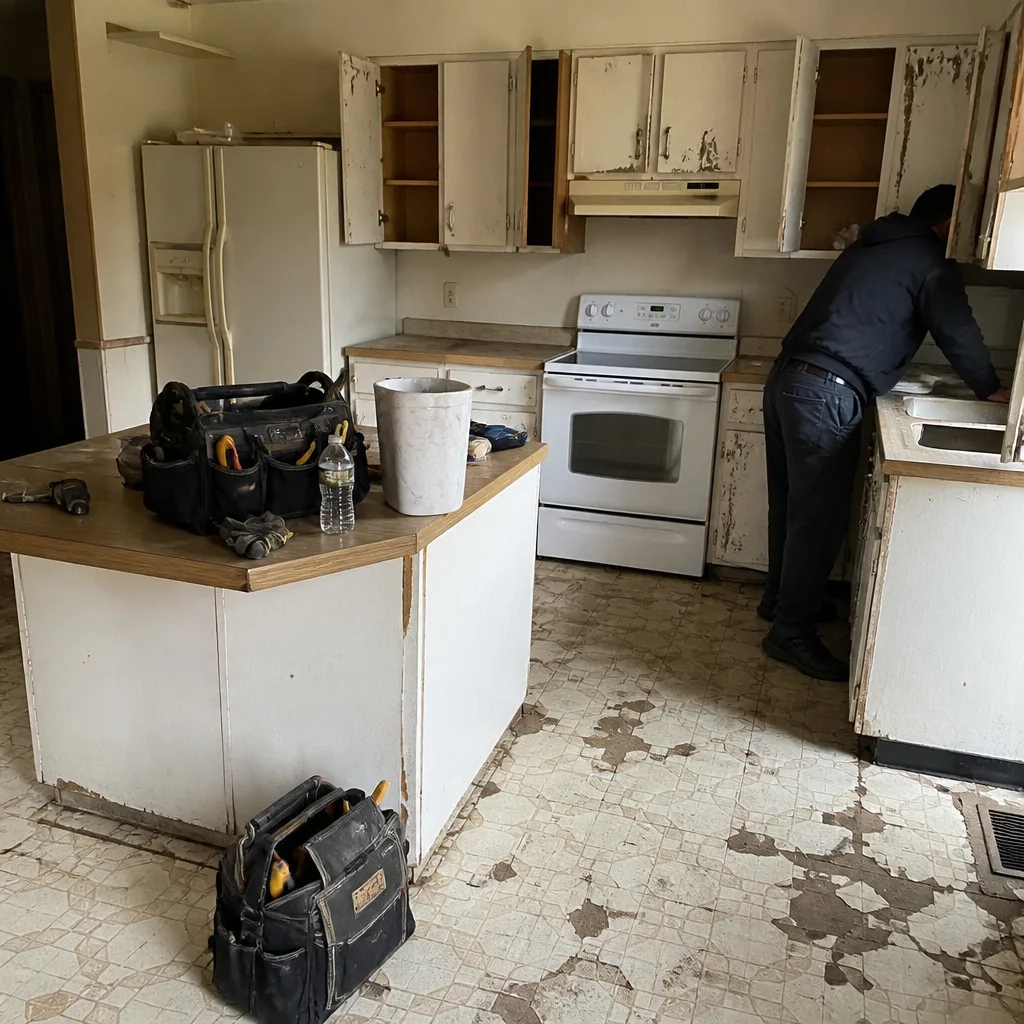 Before
 After
When to Call a Professional
Some jobs genuinely don’t need a licensed general contractor – swapping a vanity faucet, repainting a wall, replacing a light fixture included in the original circuit. But other jobs do, and calling a professional early saves money. You need a professional when the work touches structural framing, electrical panels or new circuits, gas lines, plumbing behind the wall, or any permit-requiring remodel. You need one when the scope crosses more than two trades, which almost every kitchen and bath remodel does. And you need one when you can’t get a straight answer from the last contractor – sometimes the right move is to restart the bid process cleanly.
Penhallow Remodeling Winchester offers free estimates in Winchester – a written price before any work starts, a defined arrival window, and a 365-day Done Right Promise on every project. Call (844) 797-9439 to schedule your free estimate.
Frequently Asked Questions
Look up the license number on the Nevada State Contractors Board (NSCB) website, then confirm the classification matches your project scope – a B-2 for most residential remodels, or the applicable C-series for single-trade work. Ask the contractor to provide the license number in writing, then verify it yourself before signing anything. Call (844) 797-9439 if you want a second opinion on whether a proposed scope matches the license being cited.
A complete Winchester estimate should include a written scope summary, fixed-price line items for labor and installation, clearly labeled allowances for unselected materials, a contingency or surprise-cost policy, a change-order clause, a payment schedule, and the workmanship guarantee with its length and terms. If any of those are missing, the estimate isn’t finished. Call (844) 797-9439 for a written line-item estimate – ours are always free and always in writing.
Kitchen remodels in Winchester typically run $18,000 to $55,000 for a mid-range renovation, with the number moving based on cabinet line (KraftMaid and Wellborn cover a wide range), countertop material (a laminate replacement sits well below a Cambria or Silestone quartz install), layout changes, and whether electrical or plumbing gets rerouted. High-end kitchens with structural changes and premium finishes can exceed that range. Call (844) 797-9439 for an exact quote on your layout – estimates are free.
It shouldn’t, if the estimate is properly written. A fixed-price bid with clear scope, defined allowances, and a written change-order process means the number on day one is the number on the final invoice – unless you approve a change in writing or the bid’s stated contingency is triggered by a genuine surprise behind the wall. If your contractor can’t explain what would cause a price change before they start, that’s your answer. Call (844) 797-9439 – we put the price and the guarantee in writing before demo day.
Yes – the licensed contractor performing the work pulls the permits, and that’s the standard you should expect from any Winchester contractor. If a contractor asks you to pull permits as owner-builder, ask why, because that shifts the code-compliance liability onto you. Permits and inspection sign-offs (rough-in and final) should be part of the written project file. Call (844) 797-9439 to talk through the permit scope on your project.
A typical Winchester bathroom remodel runs 3 to 5 weeks of active work, and a mid-range kitchen runs 6 to 10 weeks, with the exact timing depending on cabinet and countertop lead times, permit turnaround, and how quickly material selections are made. Winchester’s high-desert heat doesn’t usually stretch the timeline, but it does force morning scheduling during summer months, which is worked into a proper schedule. We give a defined arrival window and a written schedule before work starts. Call (844) 797-9439 for a project-specific timeline.
The Bottom Line
Hiring a general contractor in Winchester is a paperwork decision more than a construction one. Verify the license classification, insist on a written price before work starts, read every allowance line, and get the workmanship guarantee in writing with a clear length and a clear call-out process. Ask about heat sequencing for summer installs and stucco work. Ask who pulls permits. Ask what happens if a repair fails inside the year. If the contractor answers all of it in writing, you’ve found the right one. If they don’t, keep interviewing. The number you sign on day one should be the number you pay at the end – that’s the whole point.
Contact
Penhallow Remodeling Winchester brings a written price, a defined arrival window, and a 365-day Done Right Promise to every Winchester project. Our technicians carry up to 22 years of experience, arrive background-checked and in uniform, and back every job with a written workmanship guarantee that includes a free return visit if a repair fails. A live person answers the phone day or night. Call (844) 797-9439 for your free estimate – the number gets put in writing before any tool bag hits the floor.
Written by the team at Penhallow Remodeling Winchester.