
Last updated November 18, 2026







Free written scope consultation - allowances, timeline, and change-order rules on paper before a single trade is scheduled
Home Remodeling Troubleshooting: Common Problems and How to Fix Them
Three months after the last box is unpacked, a hairline crack opens across your new drywall. Your first instinct is that someone did bad work. Maybe. But that same crack shows up when framing settles, when tape was laid over dust, or when a slow leak is feeding a wall cavity from the inside. Each of those has a different fix, a different price, and a different party who should be paying for it. Misread which one you’re looking at and you’ll spend months arguing with the wrong person while the real problem gets worse. This guide is built to help Winchester homeowners sort a workmanship defect from a material failure from a pre-existing condition, because that diagnosis is what decides your next move.
Quick Answer
Most post-remodel problems fall into three categories: workmanship defects (the contractor’s responsibility), material failures (the manufacturer’s warranty), or pre-existing conditions the remodel exposed (usually the homeowner’s cost). Before you call anyone, document the problem with photos, dates, and your written contract, then identify which category it belongs to. In Winchester, that sequence matters because Nevada’s contractor remedy process requires you to notify the contractor in writing and give them a chance to respond before you escalate to the state board or a bond claim.
Styles & brands we work with
- Kitchen remodeling
- Bathroom remodeling
- Home additions & ADU
- Roofing
- Windows & doors
- Driveway & pavers
- Fence
Table of Contents
- The Three-Category Framework: Workmanship, Materials, or Pre-Existing
- The Five Most Common Post-Remodel Complaints
- Nevada’s Contractor Remedy Process, Step by Step
- How a 365-Day Workmanship Guarantee Changes Your Position
- The “It Was Like That When I Got Here” Defense
- What to Document Before Work Begins
- Winchester-Specific Troubleshooting Factors
The Three-Category Framework: Workmanship, Materials, or Pre-Existing
Every post-remodel problem you’ll ever face lands in one of three buckets. Get this right and the rest of the troubleshooting gets much simpler, because each bucket has its own remedy and its own responsible party.
Workmanship defects are installation errors. Tile set over an uneven substrate, trim nailed without backing, paint rolled onto a surface that wasn’t sanded or primed. These are the contractor’s responsibility and, in most contracts, should be corrected under a workmanship guarantee. The fix comes from the crew that did the work, at no charge to you.
Material failures are product problems. A cabinet door that warps because the hinge plate was defective, a faucet cartridge that fails in six months, a length of cement board that crumbles at the edge. These usually fall under the manufacturer’s warranty, not the contractor’s. Your leverage here is the product warranty and the receipt trail, not the original work order.
Pre-existing conditions are the ones homeowners miss most often. That bathroom shower that leaked through a twenty-year-old shower pan five months after your remodel? The shower pan was already failing before we touched the room. The remodel just finished the room around it. These are usually the homeowner’s cost, though a contractor who surveyed the room properly before work began should have flagged the risk in writing.
In our experience across Winchester neighborhoods, the majority of “the remodel went wrong” calls we field are actually category three masquerading as category one. The homeowner is angry at the contractor, but the real defect predates the crew’s first day. That’s why written pre-work documentation matters so much, and why we push for it on every job.
The Five Most Common Post-Remodel Complaints
These are the five calls that come in most often, in rough order of frequency. Each has a plain-language cause and a likely category, which tells you who to call first.
1. Paint peeling or blistering
Paint that blisters within a few weeks is almost always an adhesion problem: dust left on the wall, no primer over fresh drywall mud, or latex applied over an oil-based surface. That’s a workmanship defect. Paint that lifts in a creeping pattern six months out is usually a moisture problem pushing from behind the wall, which is category three until proven otherwise. Run your hand along the edge: if the paint is loose and warm, suspect moisture inside.
2. Doors and windows that no longer close right
Sticking doors and windows after a remodel are usually a symptom of the house settling or of framing changes. If the sticking shows up in the first three months and improves, settling is the cause. If it gets worse, that’s a framing or hinge-alignment defect the contractor should correct. Older homes in Winchester sometimes have windows that were fine on the old siding and are now bearing on new trim that’s a fraction of an inch tighter.
3. Grout cracking
Grout that cracks along a joint within the first year is one of two things: the substrate flexed (usually cement board wasn’t set on a stable surface, or a Schluter-style uncoupling membrane wasn’t used), or movement at a corner that should have been caulked instead of grouted. Both are workmanship. Grout that crumbles from within is often a mixing-ratio problem. Either way, the fix is on the original contractor, not you.
4. Outlet placement errors
An outlet you can’t reach behind the new cabinet, a switch on the wrong side of the door, a light that doesn’t line up with the counter: these are design-and-install errors made during the run-up. They’re workmanship defects, but they also happen because the cabinet and electrical plans were never cross-checked. A single pre-drywall walk-through with the electrician, the cabinet installer and you in the room would have caught all of them. We won’t leave a Winchester kitchen before that walk-through is done.
5. Trim gaps and separation
Trim separating along a wall or crown molding opening a gap at a corner is usually seasonal movement: the joint was installed tight in July and pulls back in January as the wood dries. That’s normal and often fixable with one caulk-and-paint touch-up. A gap that opens continuously and stays open is a framing problem. We recommend waiting through one full heating season before deciding, since Winchester sees enough swings to make a difference.
Nevada’s Contractor Remedy Process, Step by Step
If a defect is clearly the contractor’s responsibility and they’re not responding, Nevada has a specific process. Skipping a step costs you leverage later, so the order matters. This is the sequence a homeowner must follow before pursuing a bond claim or filing with the Nevada State Contractors Board.
- Formal written notice to the contractor. Not a text. Email or a dated letter that describes the defect, states when it appeared, references the contract and any written guarantee, and gives the contractor a defined window (30 days is standard) to inspect and respond. Keep a copy.
- Give the contractor a reasonable opportunity to inspect and correct. Nevada expects you to allow access. If they show and fix it, done. If they show and can’t agree on cause, move on to step three.
- Document the response in writing. If they didn’t show, say so in a follow-up letter. If they came and refused, get their stated reason in writing, then photograph everything.
- File a complaint with the Nevada State Contractors Board. The Board runs a residential recovery process and will often attempt mediation before any formal action. You’ll need the contract, proof of payment, your written notices, and photos.
- Pursue a bond claim if the board’s process doesn’t resolve it. Nevada contractors are licensed and bonded, and the bond is a resource of last resort. Timelines are set by the Board, and the bond is limited, so documentation and order of steps genuinely matter.
- Small claims or civil action, if the dollar amount is small enough. For workmanship issues under the small-claims threshold, this is often the fastest path. Longer disputes go to district court.
One practical note for Winchester homeowners: the Board will ask what your written contract said. A contract with a clear workmanship guarantee makes the whole process dramatically easier. A verbal agreement makes it much harder, which is why we put every guarantee in writing before a single cabinet comes out.
How a 365-Day Workmanship Guarantee Changes Your Position
A written workmanship guarantee doesn’t just give you a promise. It shifts the burden of proof on the contractor, which changes the entire negotiation.
Without a guarantee, you have to prove the contractor was at fault. With one, the contractor has to prove they weren’t. On a workmanship defect, that’s a much easier conversation. Our version of this is the 365-Day Done Right Promise. If the work fails within the first year, we come back and correct it at no charge to the homeowner. That’s in writing on every project we run. It also includes a free second visit if a repair needs follow-up, with no service call fee and no re-inspection charge.
The guarantee covers workmanship: tile set wrong, a hinge that pulls out because it wasn’t anchored, paint that peels because the wall wasn’t prepped. It does not cover material failure (that’s the product warranty, and we work with brands like Schluter and Grohe whose own warranties layer on top of ours) and it does not cover pre-existing conditions that were documented before work began. If your cabinet comes with a KraftMaid door that warps eight months after install, that’s KraftMaid’s warranty, not ours, but we’ll still help you make the claim.
The practical effect is straightforward. If you’re staring at a workmanship defect within twelve months of completion, you have a written instrument that says “we’ll fix it.” If you’re outside that window, you fall back to the general contract and the state process. The guarantee period is the difference between a call and a fight.
See the Penhallow Remodeling Winchester home page for the full guarantee language as it applies to each project type.
The “It Was Like That When I Got Here” Defense
This is the single most common contractor defense, and it’s the reason pre-work documentation matters. When a contractor says a crack was already there, or a door was always off-square, or the ceiling always sagged, the homeowner has no way to prove otherwise unless someone wrote it down first.
The fix is not complicated. Before any demo starts, do three things:
- Photograph every room from every corner. Wide shots establish context, close-ups of existing imperfections (old cracks, water stains, gaps) establish condition. Date-stamp the photos.
- Walk the job with the contractor and write down every pre-existing defect. Include the boring stuff: a chip in the counter, a scuff on the door, a squeak in the floor. Both of you sign and date it. One page is enough.
- Keep the signed walk-through with your contract. If a dispute comes up later, that document settles the “it was like that” conversation in minutes.
We don’t start a job without this. On a Winchester kitchen or bathroom, that walk-through takes about twenty minutes, and it’s worth every one of them. It’s also the difference between a quick phone call and a Board complaint later.
What to Document Before Work Begins
Here’s the paperwork that makes post-remodel troubleshooting possible. If you’re planning a project, insist on all five. If you already have one underway, gather what you can now.
- The written contract with itemized pricing. Not an estimate range: a written number you can hold the contractor to. This is a core part of The Kingswell Way standard, and we won’t pull a permit without it. The General Contractor in Winchester page walks through what a complete contract looks like.
- The signed pre-work condition walk-through. Room by room, with photos. This is your protection against the “it was like that” defense.
- The written guarantee. Term length, what’s covered, what’s not, how to make a claim. Get it in writing and read the exclusions before you sign.
- The permit numbers and inspection records. Pull your own copies from the city so you know what was inspected and when. If a permit was never pulled, that’s a red flag to address before the contractor closes the job.
- Product model and serial records for every fixture and appliance. The Toto toilet and Grohe shower valve have their own warranties. Keep the model numbers and receipts together.
With all five in hand, a post-remodel problem becomes a documented conversation rather than a he-said-she-said. Without them, you’re mostly negotiating on goodwill.
Winchester-Specific Troubleshooting Factors
Winchester has a few local realities that show up in post-remodel troubleshooting more than homeowners expect. Knowing them helps you anticipate problems and not misdiagnose them as soon as they appear.
Summer heat and dry-wall cracks. Our high-desert climate swings hard between a hot, dry summer and a cold winter. New drywall is especially vulnerable during the first summer after install. Hairline cracks along taped seams in that first August or September are usually thermal movement, not bad tape work. If the crack is wide, offset (one edge sits proud of the other), or actively growing, that’s a different story and worth a real diagnostic visit.
Winter slab and foundation movement. Winchester-area soils expand and contract, which shows up in doors that stick in the winter and swing free in the summer. If your interior doors are seasonal, that’s often foundation, not framing. A quick check: does the swing change follow the season consistently year after year? If so, the door isn’t the problem.
Older housing stock in and around downtown Winchester. Homes predating modern framing and plumbing require a different starting assumption. A remodel of an older kitchen or bathroom will often uncover a pre-existing leak or a chunk of undersized wiring that was hidden behind the previous finish. Naming these items in writing before demo starts is the single best thing you can do to keep them from turning into a dispute later.
Newer builds in outlying Winchester neighborhoods. Short of “new,” but far enough along that the original builder’s warranty has expired. Post-remodel issues here tend to be material-heavy: fixtures that were at the end of their service life and now look wrong against fresh tile. Categorized as material, not workmanship.
Whatever category your problem lands in, the fastest route to a real answer is a diagnostic visit, not a phone call back-and-forth. If the work was done by us, that visit is free. If it was done by someone else, it’s worth having a second set of eyes categorize the problem before you file anything.
Common Mistakes to Avoid
- Calling the contractor before you photograph anything. By the time you’re on the phone, the defect has already begun to shift or the contractor has been to see it. Get the photos and a dated note written down first. It takes ten minutes and it is your entire evidence file.
- Assuming every problem is a workmanship defect. The most common category is actually pre-existing conditions, not bad craftsmanship. If you misdiagnose, you’ll spend weeks arguing with the wrong party and lose the leverage the correct category would have given you.
- Paying the final invoice before a walk-through. Once the last check clears, your leverage drops. Hold twenty percent or so until you’ve done a complete, room-by-room punch-list walk. This is standard, and it isn’t rude.
- Accepting a verbal guarantee. A verbal “we’ll make it right” is worth nothing at the Board. Only written guarantees have weight. If you don’t have one, ask for it before work begins.
- Letting small cracks sit through the summer in Winchester. A hairline crack that isn’t documented in May is a much bigger conversation in September. Photograph and report within the first month.
- Skipping the pre-work condition walk-through. Twenty minutes on the front end saves months of arguing later. Don’t start demolition without one.
- Filing with the Nevada State Contractors Board before formal written notice. The Board expects you to have notified the contractor in writing first. Skip that step and your file gets slower, not faster.
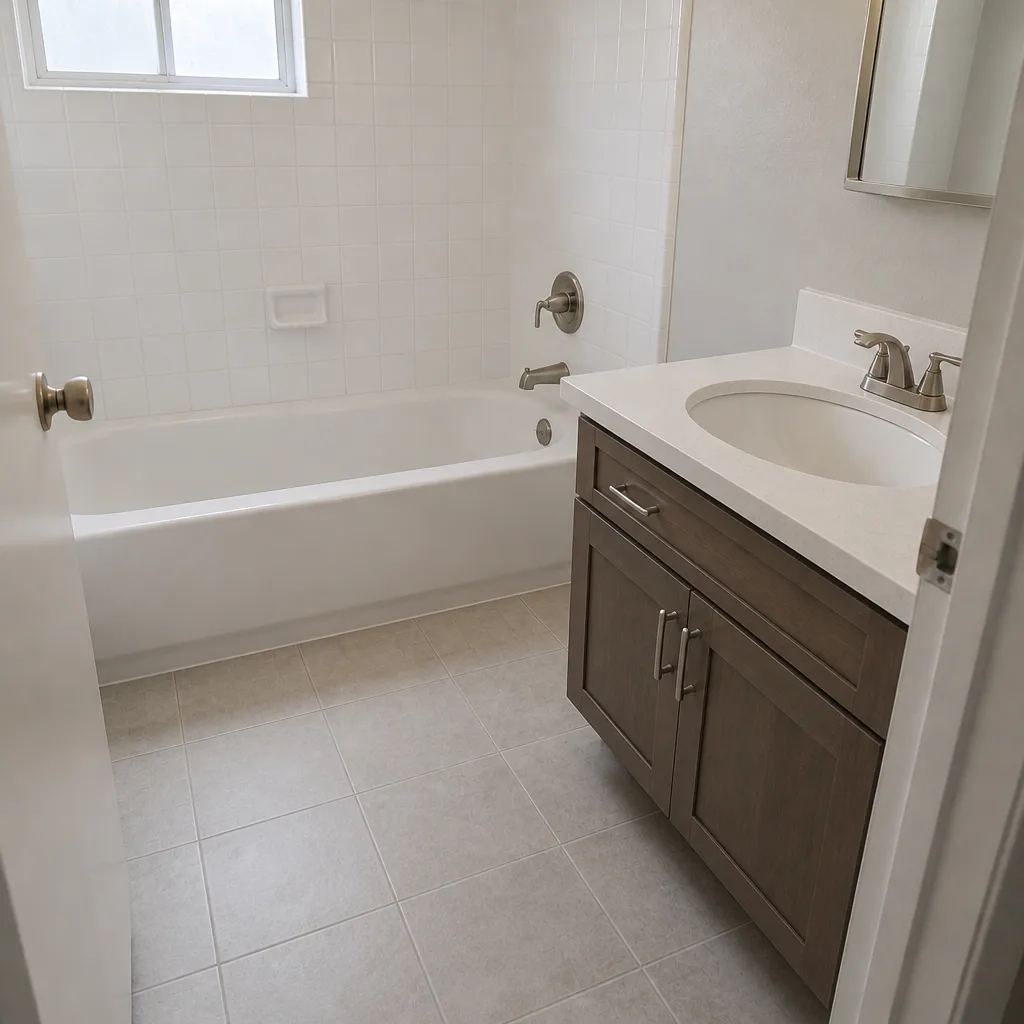
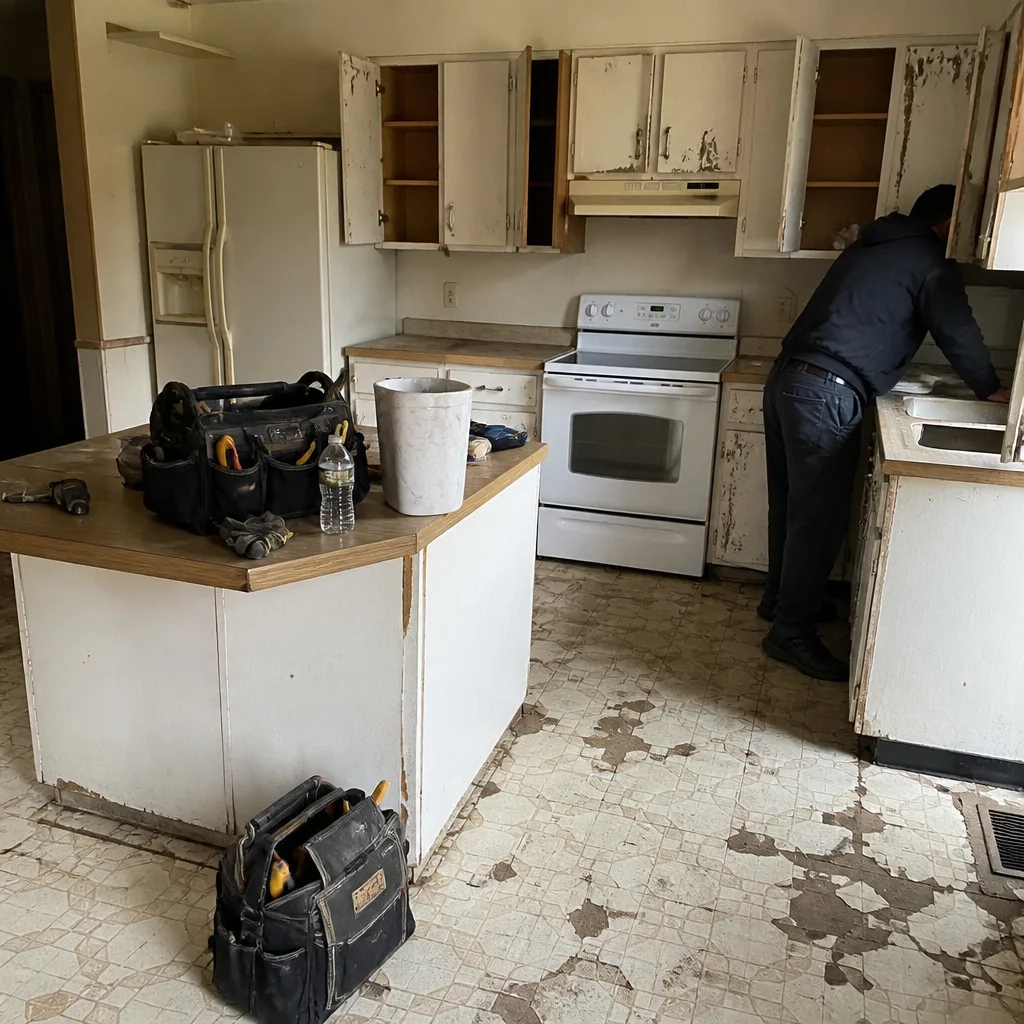
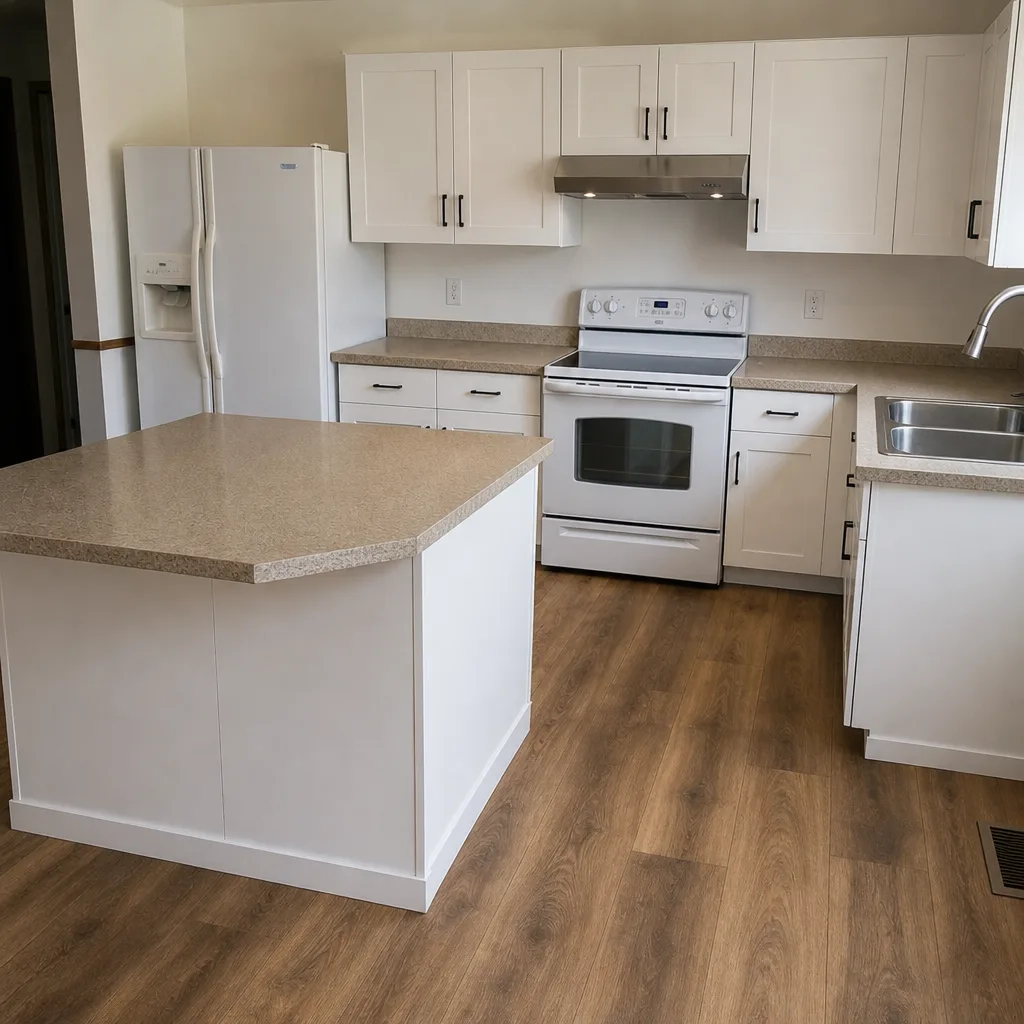
See the difference
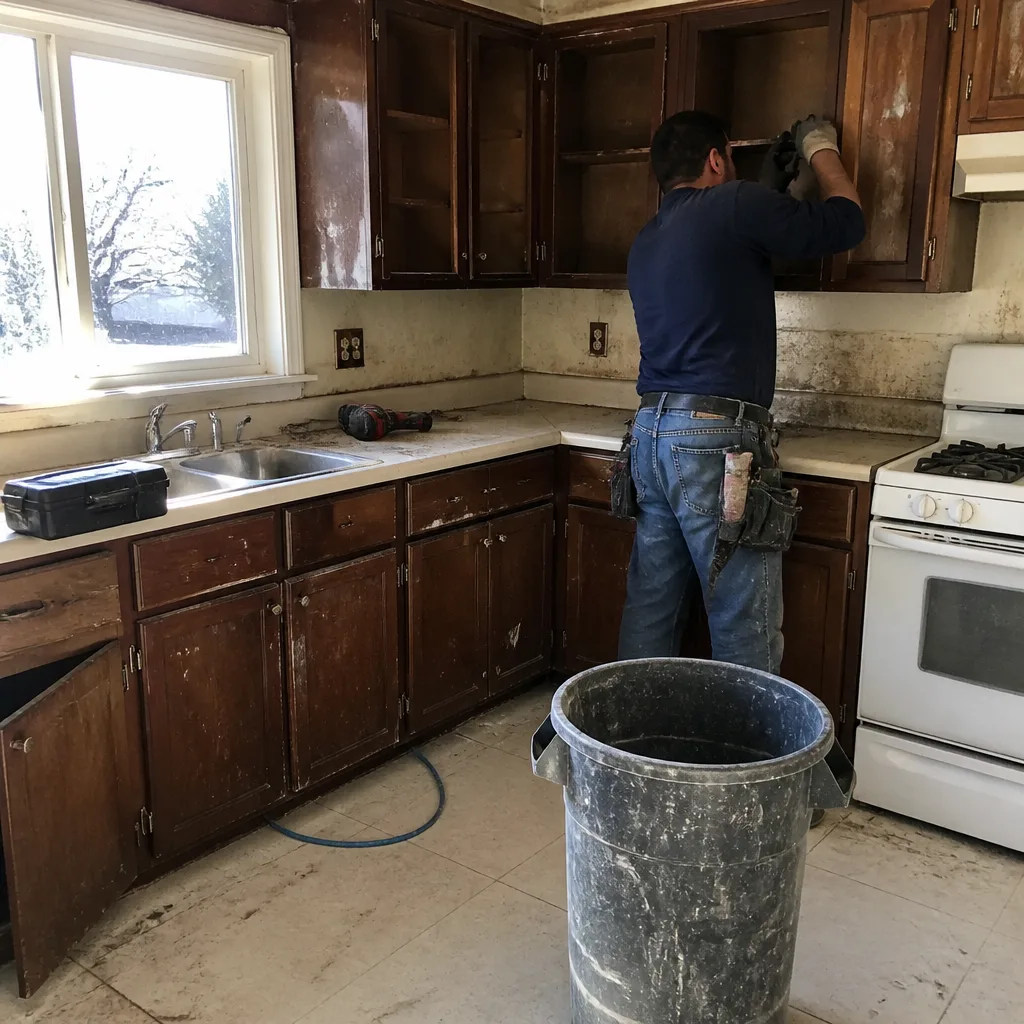 Before
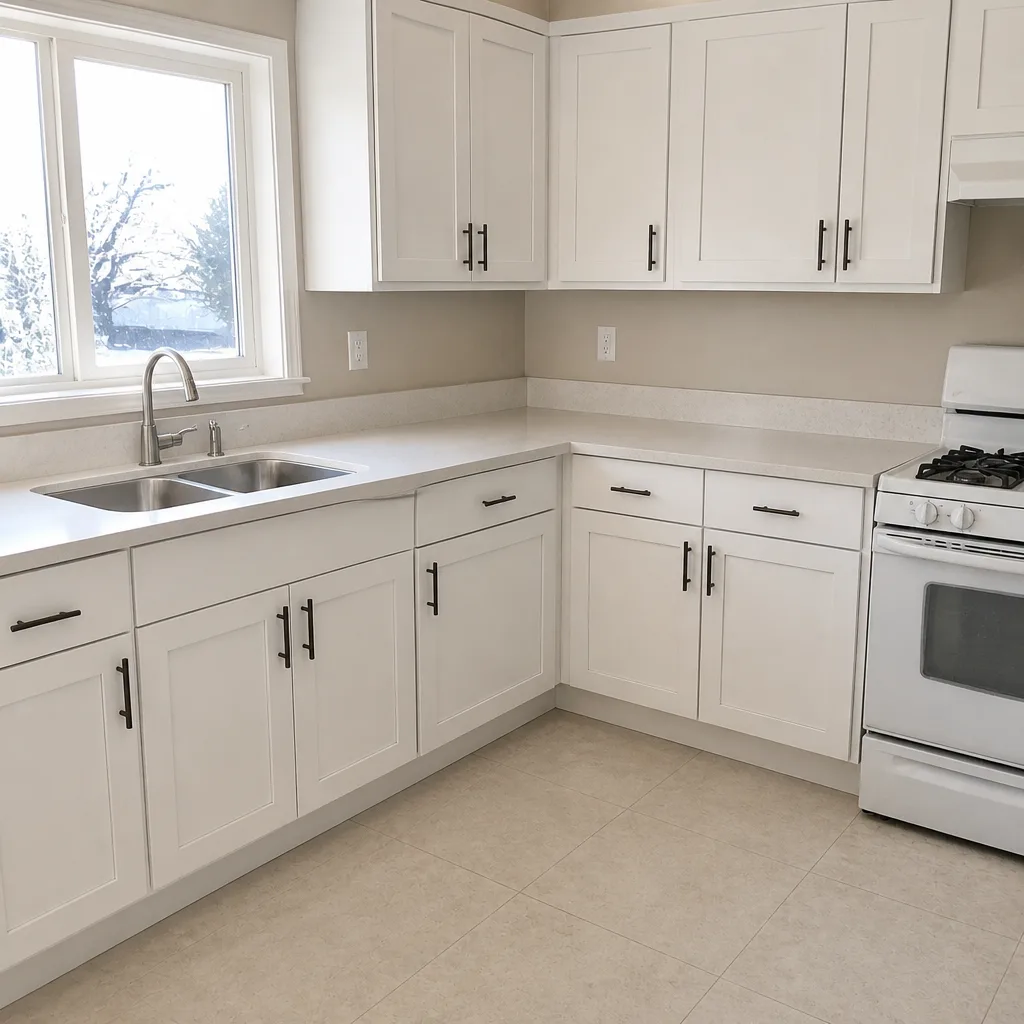 After
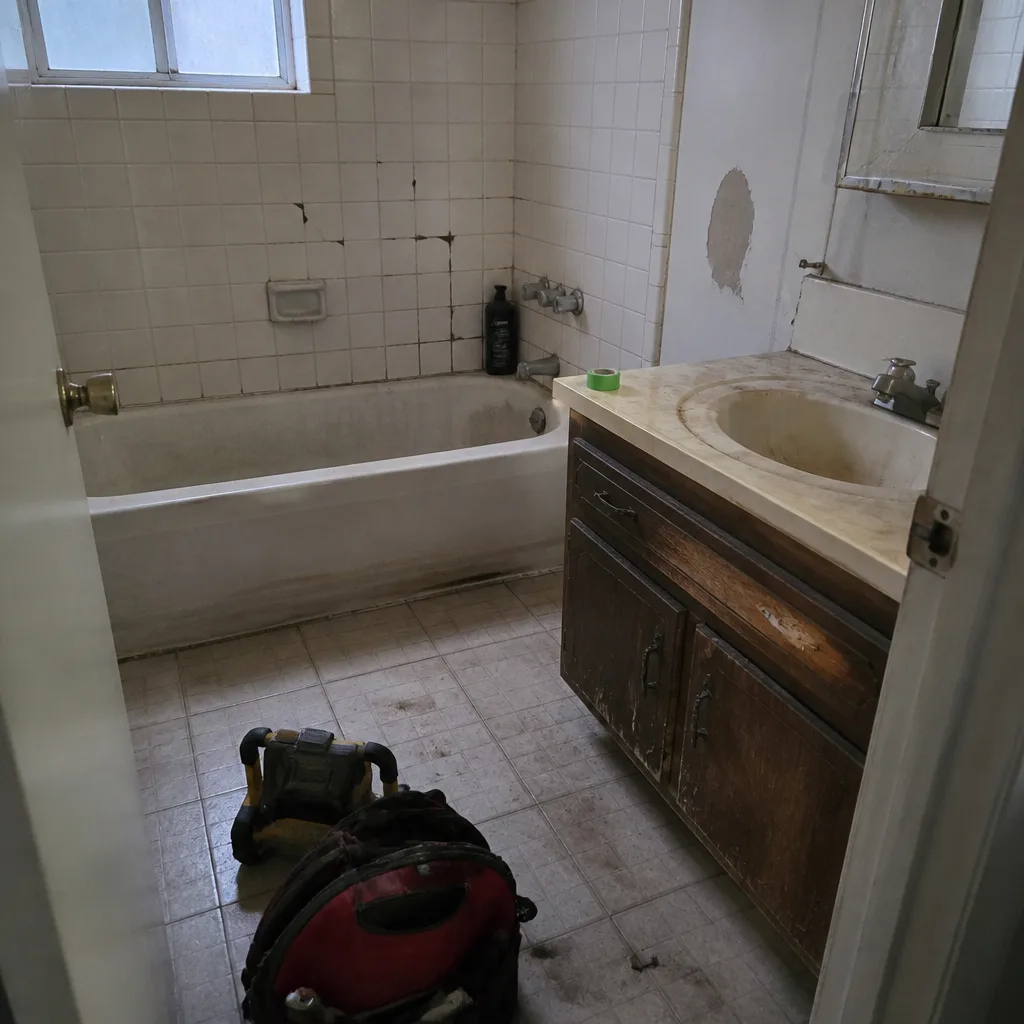 Before
 After
 Before
 After
When to Call a Professional
Call for help when the problem is structural (framing, foundation, load-bearing), when it involves plumbing or electrical that could be dangerous, or when the defect falls into a category you can’t confidently identify. Call earlier rather than later if the defect is growing, if there’s any moisture involved, or if the original contractor isn’t responding. In those cases, a diagnostic visit from an independent professional settles the category question fast, which is often the entire bottleneck.
We handle Kitchen Remodeling in Winchester and Bathroom Remodeling in Winchester from initial survey to the twelve-month check-in, and we’ll do a diagnostic visit on work we completed even if the issue turns out to be a pre-existing condition. Penhallow Remodeling Winchester offers free estimates in Winchester. Call (844) 797-9439, and a real person will pick up, day or night.
Frequently Asked Questions
Nevada’s contractor remedy timelines are set by the State Contractors Board’s residential recovery process, which typically requires you to notify the contractor in writing and give a reasonable correction window (30 days is standard) before escalating. If you have a written workmanship guarantee, that document’s term controls the initial fix window: our 365-Day Done Right Promise gives you a full year. After that, the Board’s timeline applies. Call (844) 797-9439 for an exact quote on a diagnostic visit, and estimates are free.
If you have a signed pre-work condition walk-through and dated photos, that document settles the question. If you don’t, the contractor’s defense is much harder to beat, and the state process will often come down to documentation quality. This is exactly why we won’t start a job without one. Call (844) 797-9439 to schedule a free estimate that includes a full pre-work condition survey.
In most cases, yes, if the crack appears within the guarantee window and is caused by installation, seam taping, or thermal movement on the initial dry-in. Cracks that trace to a hidden moisture problem or foundation movement fall outside the workmanship guarantee, which is why diagnosis matters. In Winchester, we see seasonal hairline cracks that resolve with a single touch-up visit. Call (844) 797-9439 for a free diagnostic visit.
You can still pursue the remedy process, but the pathway shifts: the State Contractors Board becomes more involved, and the bond claim may be the realistic route rather than direct contractor correction. Document everything in writing, save all receipts and contracts, and file with the Board promptly. Call (844) 797-9439 for a free estimate on a diagnostic visit if you need an independent professional to identify the category of problem.
It covers workmanship defects for one full year after project completion: installation errors, prep failures, adhesion problems on paint and tile, and any installation-related failure to perform as specified. It includes a free return visit if a repair fails, with no service call fee. It does not cover material failures (those go through the manufacturer warranty, e.g., Schluter or Grohe) or pre-existing conditions documented before work began. Call (844) 797-9439 for a free estimate that includes the guarantee in writing.
No. Every project we run gets a written price before any work starts, and that written price is what you’ll see on the invoice. Diagnostic visits on our own work are free and never carry a surprise charge. If a diagnostic turns up something outside the original scope, we’ll quote the additional work in writing before we touch it. Call (844) 797-9439 to schedule your free estimate.
The Bottom Line
Most post-remodel problems aren’t mysterious. They’re workmanship defects, material failures, or pre-existing conditions, and the entire resolution path depends on which one you’re looking at. Get the category right and you know who to call, what evidence to gather, and what process to follow. In Winchester, that process is well-defined: written notice, a reasonable fix window, then the Nevada State Contractors Board if needed. What changes everything is having the paperwork up front: a written price, a signed pre-work condition survey, a written guarantee, and duplicate copies of permits and product records. With those in hand, a defect is a conversation. Without them, it’s an argument.
Penhallow Remodeling Winchester is part of the Kingswell family of companies, and every job we run operates under The Kingswell Way: say the price before the work, show up in the window we gave, leave the place cleaner than we found it. Our technicians have up to 22 years of experience, arrive background-checked and uniformed, and put the 365-Day Done Right Promise in writing on every project. Call (844) 797-9439 for a free estimate, and a real person will pick up.
Written by the team at Penhallow Remodeling Winchester.