Last updated November 18, 2026








Free written scope consultation - allowances, timeline, and change-order rules on paper before a single trade is scheduled
How Long Does General Contractor Take? Timelines and What to Expect
Here’s a number that surprises almost every homeowner we talk to in Winchester: a bathroom remodel that involves five days of actual labor can take six weeks from signed contract to final walkthrough. The four-plus weeks in between aren’t laziness. They’re permit processing, material delivery, and inspection scheduling, and none of those run on your contractor’s clock. This guide gives you a realistic project timeline for Winchester remodels with those delays already baked in, so you can plan around the calendar instead of being blindsided by it.
Quick Answer
Most home remodels in Winchester take between three weeks and six months of calendar time, depending on scope. A bathroom typically runs four to eight weeks from contract to completion, a kitchen eight to fourteen weeks, a room addition four to seven months, and a whole-home interior remodel five to nine months. Only a fraction of that is hammer-and-nail work; the rest is permits, material lead times, and inspections.
Styles & brands we work with
- Kitchen remodeling
- Bathroom remodeling
- Home additions & ADU
- Roofing
- Windows & doors
- Driveway & pavers
- Fence
Table of Contents
- Why Homeowners and Contractors Count Different Calendars
- Timelines by Project Type
- The Three Schedule Killers That Add Weeks
- What “Substantial Completion” Actually Means
- Material Lead Times and Why You Lock Selections Early
- Why a Written Arrival Window Beats a Start Date
- What a Realistic Daily Schedule Looks Like
- How a Written Project Timeline Protects You
Why Homeowners and Contractors Count Different Calendars
The single biggest source of friction on a remodel is a calendar mismatch. When you ask “how long will this take,” you’re usually counting work days: the days someone is actually in your house swinging a hammer. When a contractor answers, they’re counting the full chain: permit submission and review, material ordering and delivery, inspection scheduling, and the labor itself. Those two numbers can differ by weeks.
In Winchester, this gap shows up constantly. A homeowner mentally plans for two weeks of disruption and clears their schedule accordingly. Then the permit sits in the queue, the tile shipment gets delayed, and suddenly they’re living in a construction zone for six weeks and feeling misled. Nobody lied. They were just answering different questions.
The fix is to ask for both numbers up front. Ask how many days of active labor the job requires, and ask how many calendar weeks the whole thing will take from contract signing to final inspection. A contractor who can give you both is a contractor who’s actually planned the job. Penhallow Remodeling Winchester puts that timeline in writing before work starts, which is the difference between a rough guess and a schedule you can hold us to.
Timelines by Project Type
These ranges reflect typical Winchester projects and already include permit review, material lead times, and inspection windows. They assume selections are made before signing. If you’re still choosing cabinets when the contract is signed, add two to four weeks.
| Project Type | Active Labor | Calendar Time (Contract to Finish) | What Drives the Difference |
|---|---|---|---|
| Bathroom remodel | 5-10 days | 4-8 weeks | Permit review, tile and fixture lead times, two to three inspections |
| Kitchen remodel | 2-4 weeks | 8-14 weeks | Cabinet fabrication (4-8 weeks alone), countertop templating, electrical and plumbing permits |
| Room addition | 6-12 weeks | 4-7 months | Foundation and framing inspections, window and door lead times, weather windows |
| Whole-home interior remodel | 10-20 weeks | 5-9 months | Sequenced trades, multiple inspection phases, extended material orders |
Notice the pattern: the bigger the project, the more of the calendar is spent waiting rather than building. A room addition in Winchester might have twelve weeks of actual carpentry stretched across six months because framing can’t start until the foundation inspection passes, and the windows can’t go in until they arrive, and the drywall can’t go up until the rough trades are signed off. Each gate has to open before the next can start.
The final inspection is its own waiting game. In most jurisdictions, a rough-in inspection might be scheduled within two to five business days, but that’s a scheduling estimate, not a promise. During busy building seasons, the county’s inspection queue can stretch to two weeks. We plan for the longer number and treat an early inspection as a bonus.
The Three Schedule Killers That Add Weeks
In our experience, three specific things account for most of the overruns on Winchester remodels. If you can name them ahead of time, you can plan around them.
1. Permit processing during peak season. Spring through early fall is when permit offices are most buried. A straightforward bathroom permit might move quickly in January and take noticeably longer in June. Submitting early, and having complete drawings the first time, is the single best defense. A rejected submittal can cost a week or more on the resubmission alone.
2. Material lead times that nobody predicted. Custom cabinets are the classic culprit. Fabrication runs four to eight weeks for most lines, and a single backordered door style can reset the clock. Tile, specialty plumbing fixtures, and windows all carry their own timelines. We source cabinetry from KraftMaid and Wellborn, and even with solid trade partners, ordering early is what keeps a kitchen on schedule.
3. Change orders after demo. The wall you thought was drywall turns out to be plaster over lath. The subfloor has soft spots. These discoveries are common in older Winchester homes and they’re legitimate, but they add days. A written contract with a clear change-order process tells you exactly how those surprises get priced and scheduled, so you’re never guessing.
Here’s the practical takeaway: a written project timeline in your contract turns these from open-ended risks into named, dated line items. When the timeline says “cabinets ordered week one, delivery expected week six,” you can see the schedule holding or slipping in real time.
What “Substantial Completion” Actually Means
Homeowners often assume “completion” means the job is done and they can move back in. In contract terms, substantial completion is a legal milestone, and it’s worth understanding before you sign.
Substantial completion generally means the work is complete enough that the space can be used for its intended purpose, even if minor items remain. Those leftover items are usually captured as a punch list: touch-up paint, a loose handle, a trim piece that needs adjusting. Substantial completion is often the point at which final payment is due or the warranty period begins, which is why the exact definition matters.
In practice, here’s what you should confirm in your contract:
- How substantial completion is defined for your specific project, in plain language.
- What the punch list process looks like and how long the contractor has to address it.
- When the workmanship guarantee starts and how long it runs.
- What “done” means for final payment, so there’s no dispute at the finish line.
At Penhallow, the written price you get on day one is the number on your invoice, and the guarantee starts when the job is complete. That 365-Day Done Right Promise means if something fails within the year, we come back and fix it at no charge. Knowing exactly when completion is reached and when the clock starts running protects you from the “we’re basically done” limbo that drags on for months.
Material Lead Times and Why You Lock Selections Early
The last few years rewrote everyone’s expectations about how fast things arrive. Some materials are back to normal. Others aren’t, and old assumptions cost weeks.
Pre-pandemic, a homeowner could pick a tile and a cabinet line a week before install and expect it to work out. Today that’s a gamble. Custom cabinetry remains the longest pole in the tent, often four to eight weeks from order to delivery. Specialty tile can run two to six weeks depending on the line and dye lot. Windows, especially custom sizes and finishes, can stretch six to twelve weeks.
This is why we ask homeowners to lock selections before signing rather than after. It feels backwards to pick countertop slabs before the contract is inked, but the calendar makes the case. Every week a selection is undecided is a week the order isn’t placed, and every week the order is delayed pushes the install date further out.
For countertops, we work with Cambria, Silestone, and Caesarstone, and for fixtures Kohler and Moen. These brands all have real lead times worth planning around, and each one carries its own manufacturer warranty that sits alongside our workmanship guarantee, so you’re protected on two fronts. Choosing your materials early lets us sequence the orders so the cabinets don’t arrive after the countertops are already templated.
Why a Written Arrival Window Beats a Start Date
Almost every homeowner asks for a start date, and almost every contractor gives one. The problem is that a start date is the least useful promise in the contract. What you actually want is a defined arrival window: a specific day and time range when a crew will be at your door.
Why does this matter more than a start date? Because remodels aren’t one crew from start to finish. They’re a relay race of trades: demolition, framing, plumbing, electrical, drywall, tile, cabinetry, painting, cleanup. Each handoff is a chance for a day to slip. A single agreed start date says nothing about whether the electrician and the tile setter are actually coordinated.
A written arrival window commits to something concrete on every handoff. It also protects your own schedule. If you took a day off work for the tile crew, you deserve to know whether they’re coming at 8 a.m. or not at all. The Kingswell Way puts it simply: say the price before the work, show up in the window we gave, and leave the place cleaner than we found it. That standard is part of every Penhallow project, and it’s the reason we put arrival windows in writing rather than a vague “we’ll be there sometime Tuesday.”
What a Realistic Daily Schedule Looks Like
If you’ve never lived through a remodel, it helps to know what a normal working day actually looks like. Expectations here matter because the gap between what people imagine and what happens is itself a source of stress.
- Crews arrive within the arrival window. Our technicians are background-checked and arrive in uniform, so you know who’s in your home.
- A brief morning huddle. The day’s tasks get confirmed, and any homeowner decisions needed that day are flagged early rather than at 4 p.m.
- Work happens in phases, not everything at once. Most days focus on one or two trades, not all of them. That’s normal and keeps quality up.
- Non-working days are common. Cure times for mortar, drywall compound, and finishes mean some days have no crew at all. Waterproofing needs to set. That’s not a stall.
- Cleanup at the end of each day. Trash and debris get cleared, and the path to your kitchen and bathroom stays usable when possible.
A realistic daily schedule is not an eight-hour flurry of activity from sunrise to sunset. It’s a rhythm: bursts of visible progress, quieter prep and cure days, and inspection gates where everything pauses while a county inspector signs off. Understanding this rhythm is the best defense against the feeling that “nothing’s happening.”
If the schedule does slip, the written timeline and the 365-Day Done Right Promise give you something to point to. And because a real person answers the phone around the clock, you’re never left wondering whether the project has stalled. You can just ask.
How a Written Project Timeline Protects You
A timeline in your head is a wish. A timeline in your contract is a commitment. Here’s what to look for so you’re not the one absorbing every delay.
- Total calendar weeks, not just work days. The number should include permit review and inspection windows.
- Named milestones. Permit submitted, permit issued, materials ordered, demolition start, inspection dates, substantial completion.
- Arrival windows on every handoff, so each trade has a real appointment.
- A change-order process. How surprises like hidden damage get priced and added to the schedule, in writing.
- What happens if a delay is on the contractor. Ask directly whether the contractor covers the overrun or whether you do.
Homeowners who’ve been burned before know the pain of a verbal ballpark that grows at the door. A written price up front, with a timeline that names the boring-but-real gates, is what separates a genuine plan from a sales pitch. When you’re evaluating a general contractor in Winchester, asking to see the timeline before the price is often a better test of whether they’ve actually planned the job than the price sheet itself.
Common Mistakes to Avoid
- Assuming the start date is the finish line. Many homeowners plan a vacation or a move-in around the start date and get caught out. Plan around total calendar weeks, including inspections.
- Choosing materials after signing. A beautiful contract with undecided tile can still run weeks late. Lock selections and confirm lead times before inking anything.
- Comparing work days to calendar weeks. A quote that says “eight days” and another that says “six weeks” may be the same project. Ask each contractor to specify both numbers.
- Paying in full up front. A fair payment schedule ties money to milestones, not to optimism. Never hand over the full amount before work starts.
- Skipping the permits because they “slow things down.” Unpermitted work in Winchester can complicate future sales, insurance, and inspections. It’s never worth the shortcut.
- Treating a verbal timeline as a promise. If it isn’t written down, it isn’t a commitment. Get the schedule in the contract.
See the difference
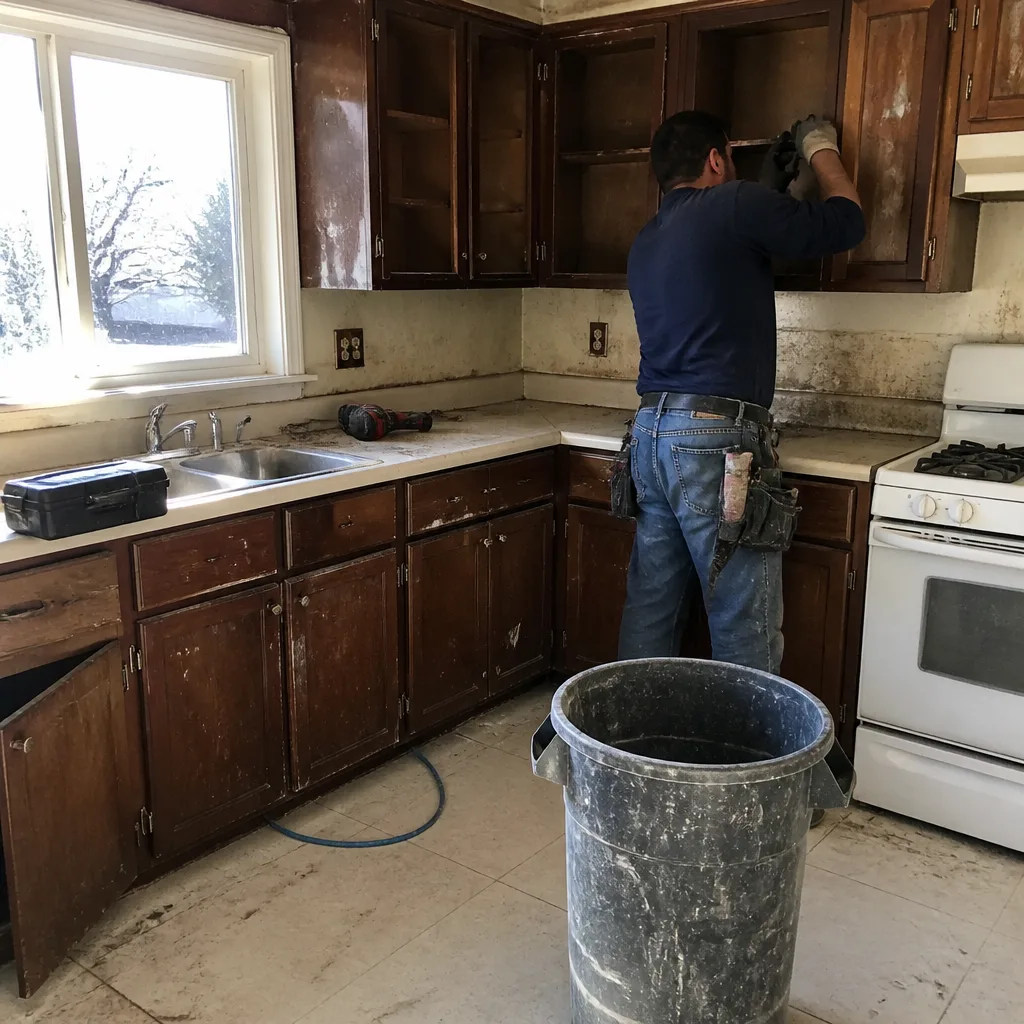 Before
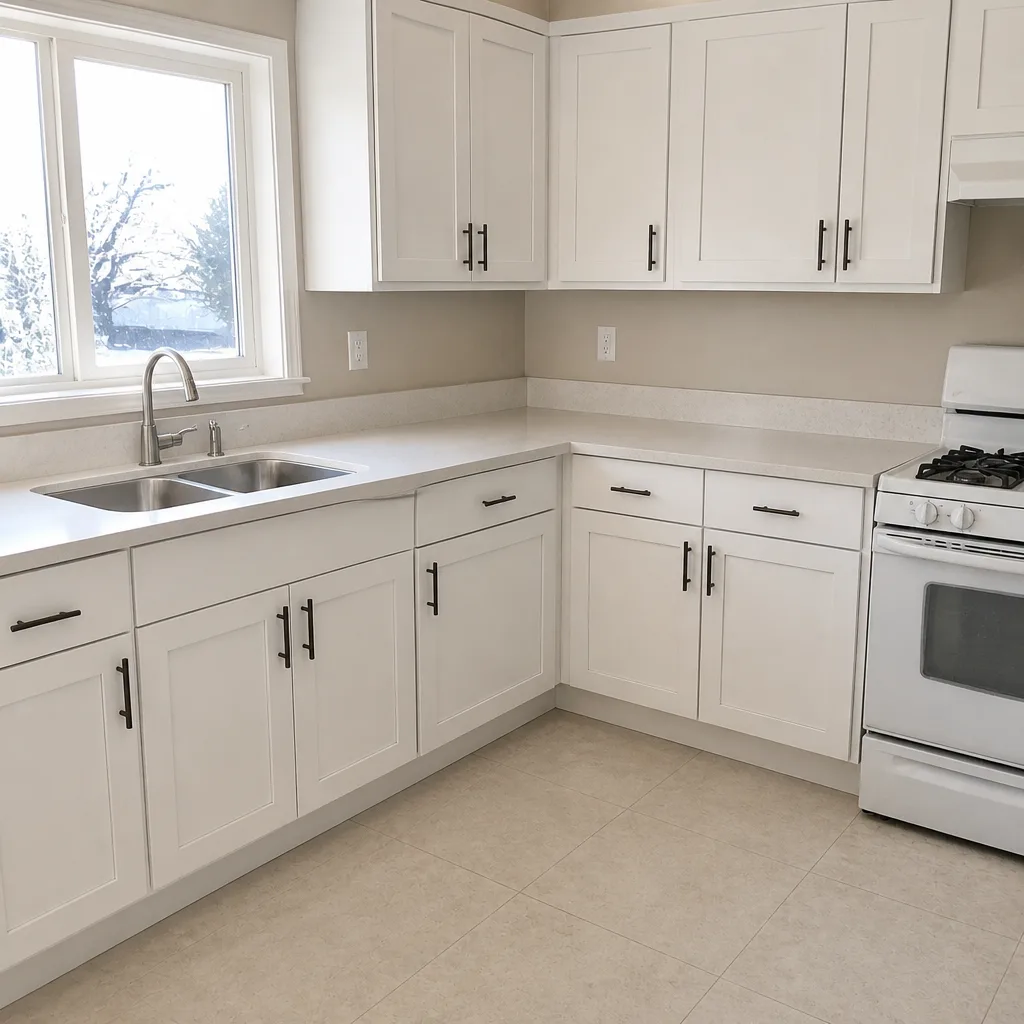 After
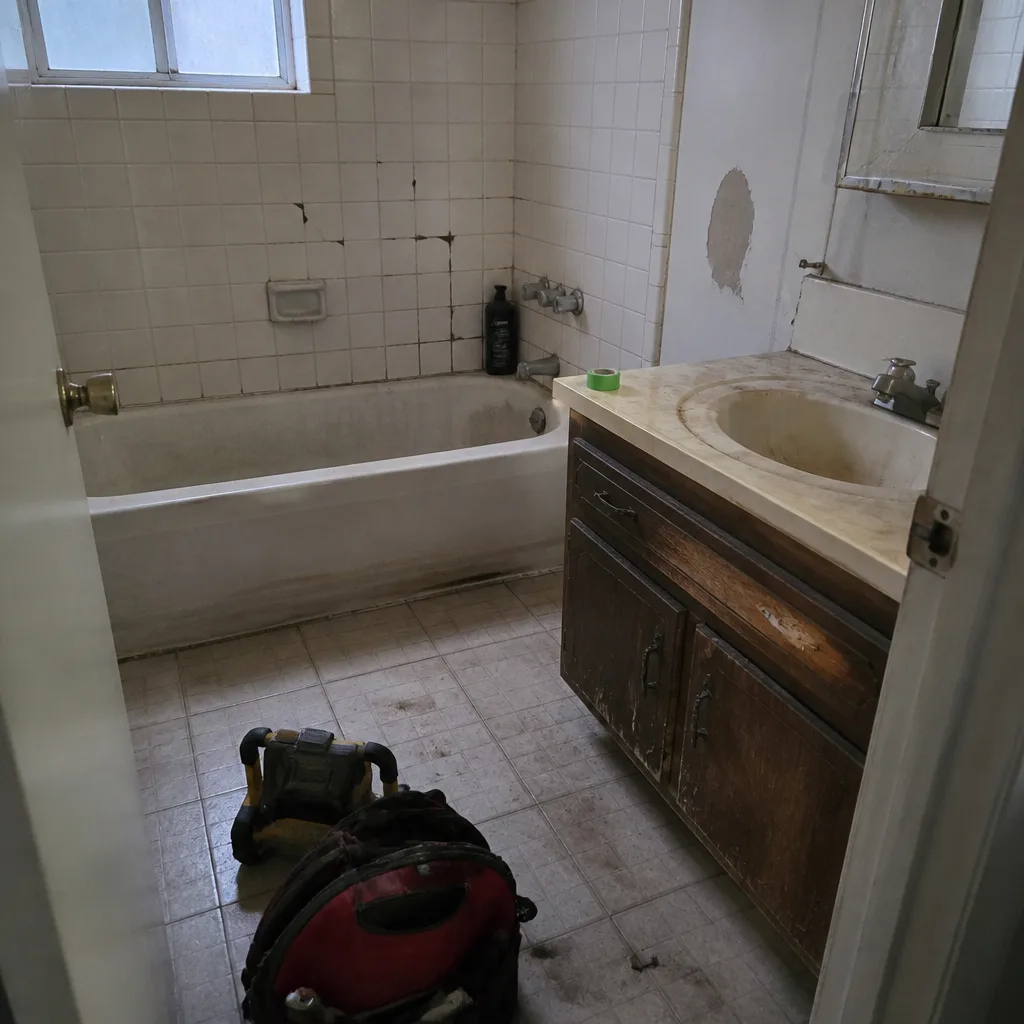 Before
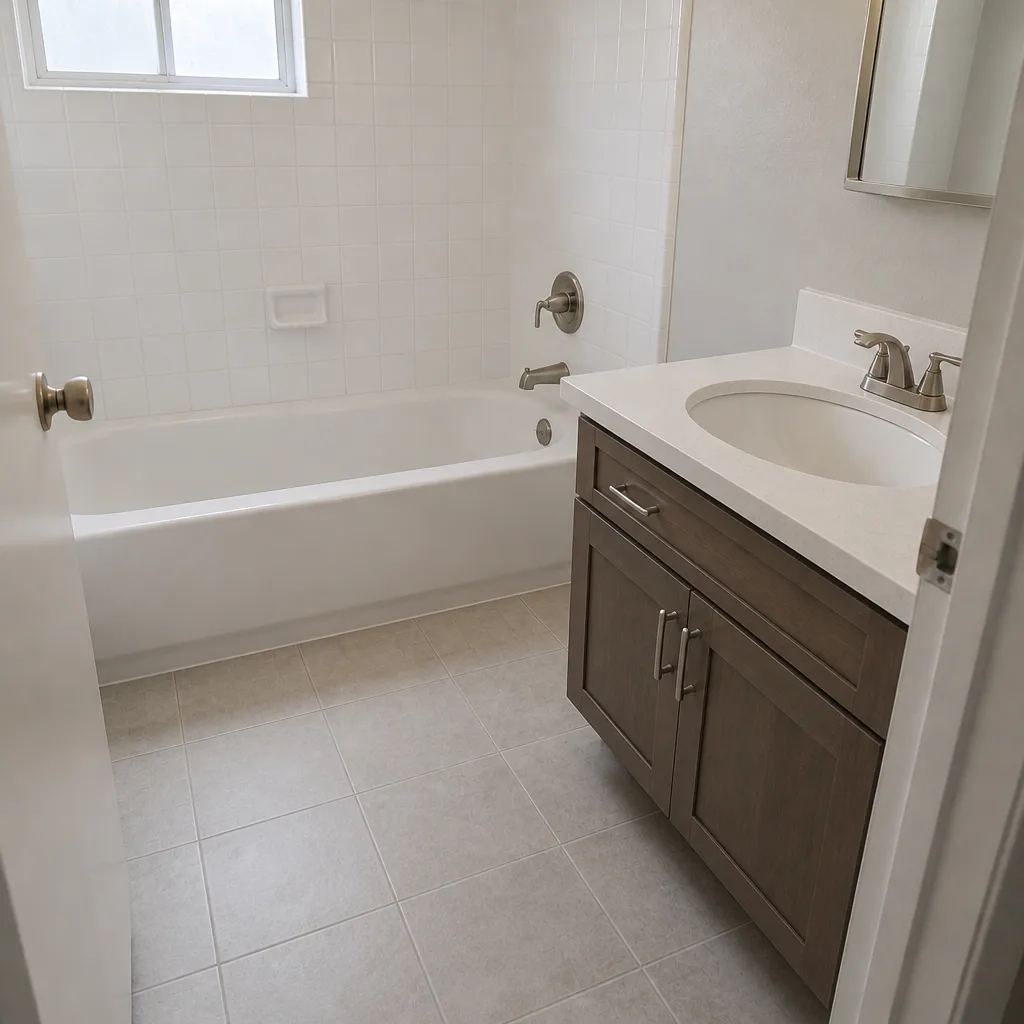 After
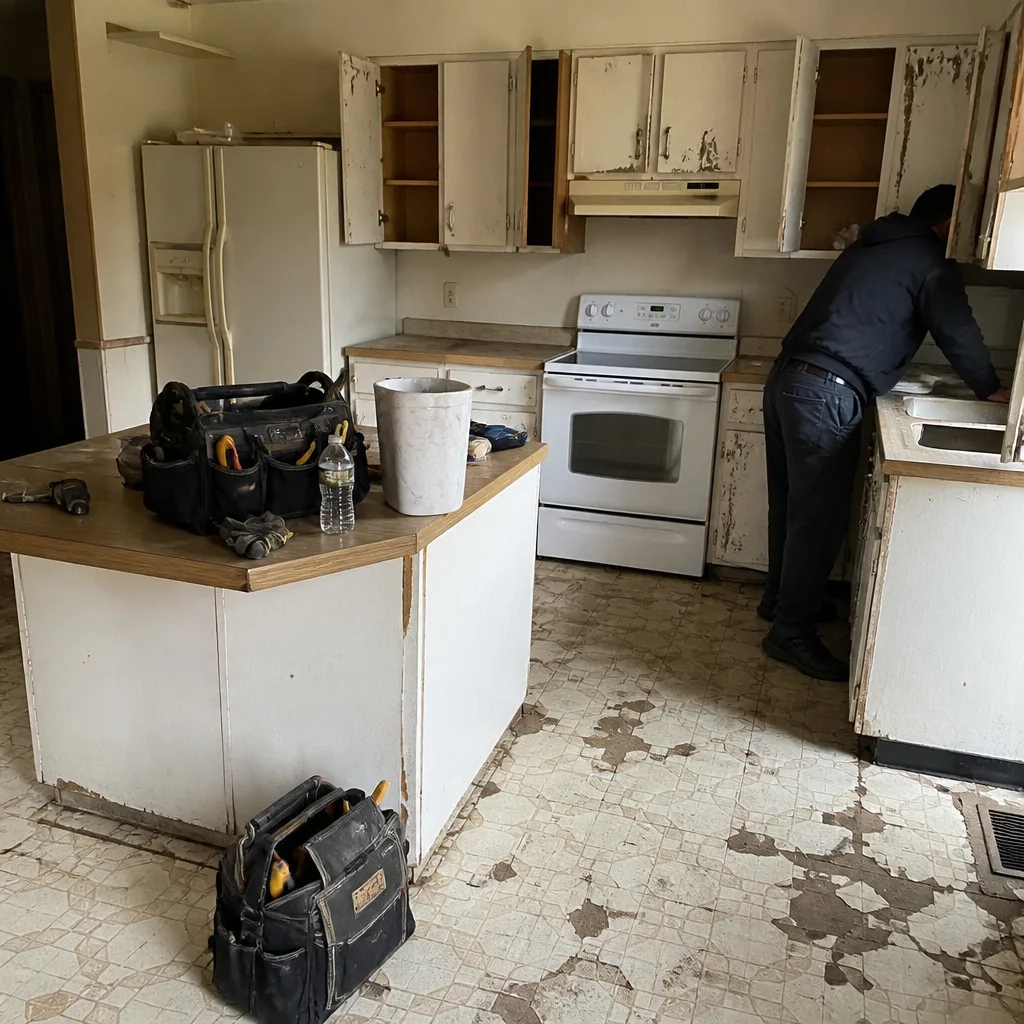 Before
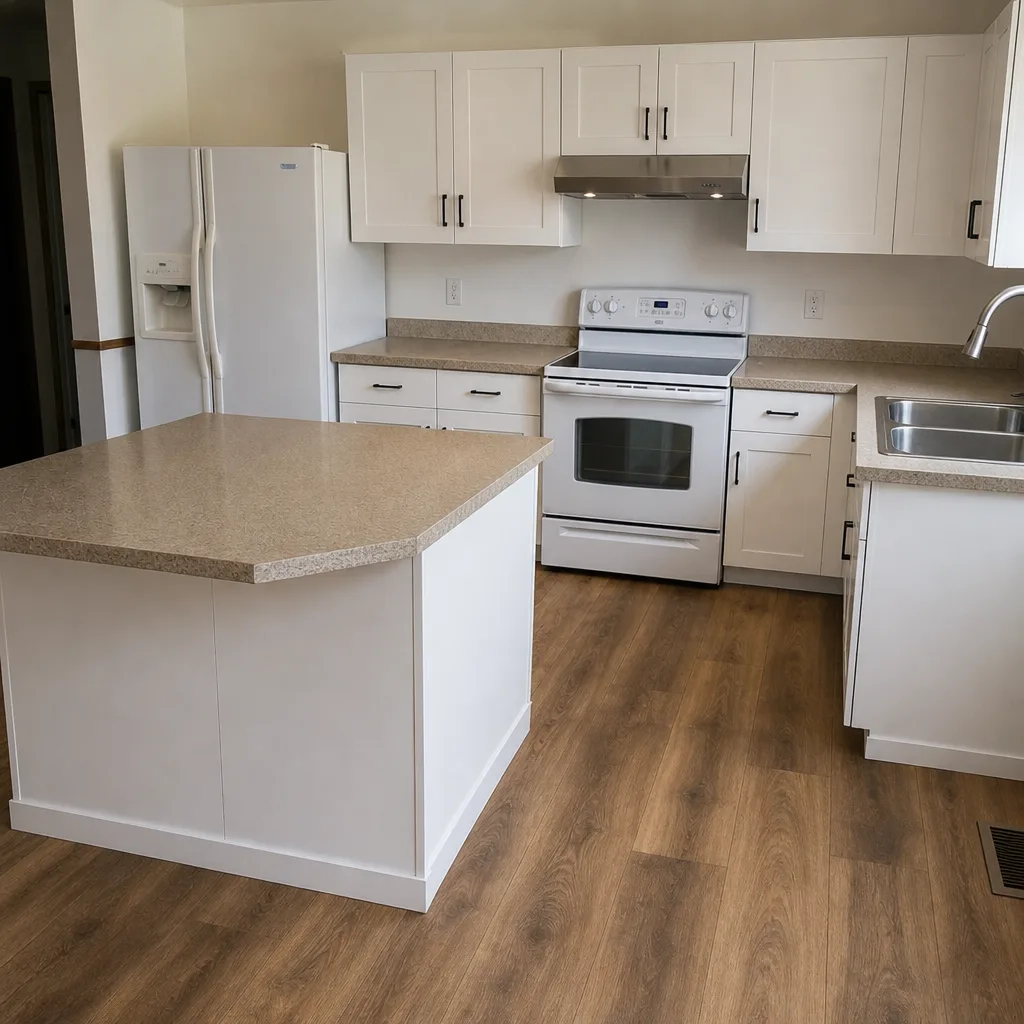 After
When to Call a Professional
Some decisions are worth making with a professional in the room, and timing is one of them. If you’re weighing a remodel against a repair, planning a kitchen or bathroom overhaul, or you’ve had a contractor walk off the job mid-project, that’s the moment to get a real estimate and a real timeline. Remodeling a bathroom in Winchester or a kitchen in Winchester without a written schedule is how projects drift. Ask for the plan before the price. Penhallow Remodeling Winchester offers free estimates, and when you call, a live person answers. Call (844) 797-9439 to schedule yours.
Frequently Asked Questions

A bathroom remodel in Winchester typically takes four to eight weeks from contract to completion, even though the active labor is often just five to ten days. The gap is permit review, tile and fixture lead times, and two to three inspection windows. Call (844) 797-9439 for an exact timeline for your project; estimates are free.
A kitchen remodel usually runs eight to fourteen weeks in calendar time. Custom cabinets alone can take four to eight weeks to fabricate, and that’s often the longest stretch. Locking your cabinetry and countertop selections before signing is the best way to keep the schedule from slipping.
Most mid-project pauses are cure times, inspection gates, or waiting on a material delivery, not a crew that’s abandoned you. The fix is a written timeline with named milestones so you can see exactly where the schedule sits. If you want a second opinion on whether your timeline is realistic, call (844) 797-9439.
Substantial completion means the work is finished enough that the space can be used for its purpose, even if minor punch-list items remain. It’s often the trigger for final payment or the start of the warranty period, so confirm how it’s defined in your contract.
Pick them before. Every undecided selection is a delayed order, and delayed orders push install dates back by weeks. Confirm lead times for cabinets, tile, and windows up front so the timeline you’re promised is one that holds.
It does, but only if it includes total calendar weeks, named milestones, and arrival windows, plus a change-order process. A verbal timeline is a wish. A written one is something you can hold a contractor to, and it’s what we give every homeowner in writing before work starts.
The Bottom Line
Remodel timelines slip most often not because crews are slow but because two different calendars are in play. The doctor is work days; the contract is permit review, material lead times, and inspections. Get both numbers in writing, lock your selections before signing, and treat inspection gates as normal parts of the schedule rather than surprises. If you want a realistic Winchester timeline with the delays already built in, along with a written price and a 365-Day Done Right Promise, call (844) 797-9439 to schedule your free estimate. A live person answers around the clock, and every job starts with a written number you can hold us to.
Written by the team at Penhallow Remodeling Winchester.