
Last updated November 18, 2026





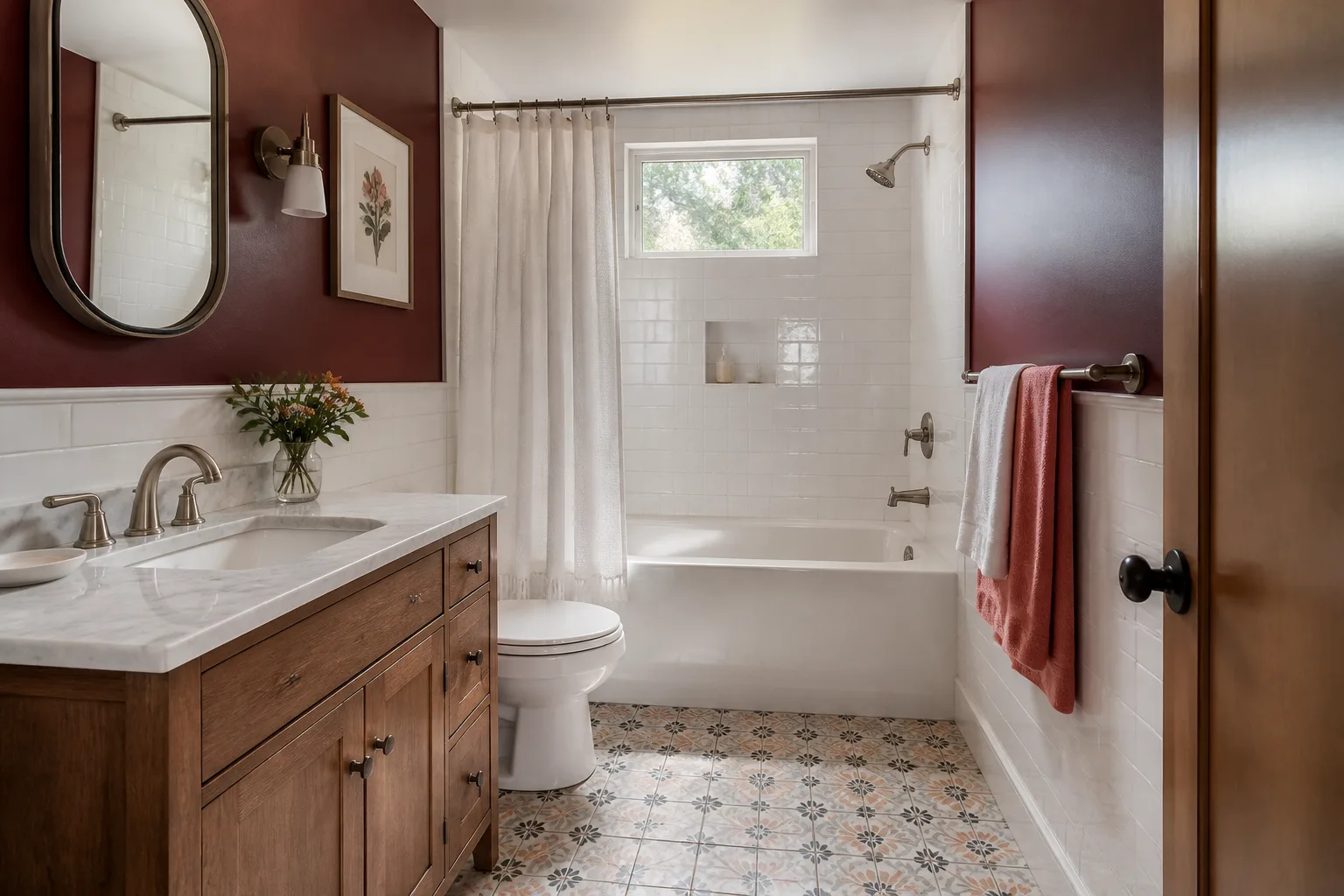
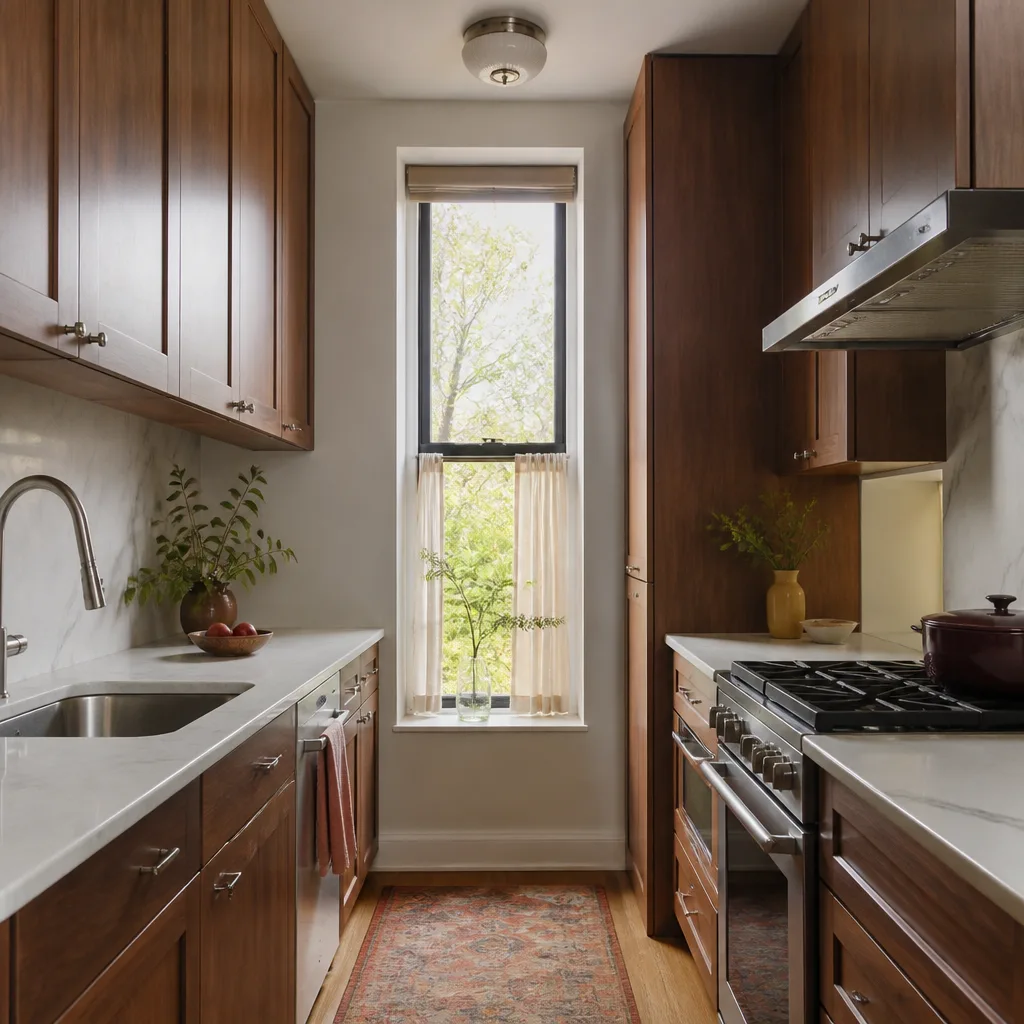

Free written scope consultation - allowances, timeline, and change-order rules on paper before a single trade is scheduled
How to Hire a Construction Contractor in Winchester: A Step-by-Step Guide
Nevada law requires a written contract for any project over $1,000. It does not require that contract to include a fixed price, a completion date, or a guarantee. That gap matters in Winchester, where the housing stock runs from 1990s stucco builds in Green Valley to newer tract homes in Inspirada, and where a contractor can be fully licensed and still hand you a document that protects mostly them. This guide walks through the exact filters that strip out that risk: license verification, what a real written estimate contains, how to read a change-order clause, and how to tie payments to milestones instead of calendar dates. What you’ll learn is how to hire for price certainty, not just skill.
Quick Answer
To hire a construction contractor in Winchester, verify the contractor’s Nevada license on the NSCB database and match the license classification to your job type, then get a written contract that states a fixed price, a defined scope, a milestone-based payment schedule, and a completion date before you sign or pay a deposit. A license alone is not a guarantee of fair dealing – the written numbers and the change-order clause are what actually protect your money. Read the contract for what it omits, not just what it says.
Styles & brands we work with
- Kitchen remodeling
- Bathroom remodeling
- Home additions & ADU
- Roofing
- Windows & doors
- Driveway & pavers
- Fence
Table of Contents
- 1. Verify the Nevada Contractor License the Right Way
- 2. What a Written Estimate Must Contain to Be Worth Signing
- 3. How to Read the Change-Order Clause
- 4. What a Real Arrival Window Looks Like
- 5. Structuring a Payment Schedule Tied to Milestones
- 6. The Red Flags Winchester Homeowners Should Watch For
- 7. Questions to Ask Before You Sign
- The Bottom Line
1. Verify the Nevada Contractor License the Right Way
The Nevada State Contractors Board (NSCB) runs a free public license lookup, and running it is step one, not a formality. Pull up the contractor’s license number on the NSCB database and confirm four things: the license is active, the classification matches your project, the qualifying party is listed, and there are no disciplinary actions on file. In our experience helping Winchester homeowners sort through bids, a surprising number of “licensed” claims fall apart at the classification step.
License classifications matter because they’re job-specific. Nevada uses a letter system: an A license covers general engineering, a B license covers general building (whole structures), and C licenses are specialty trades – C-3 for carpentry, C-16 for finishing, C-18 for plumbing, and so on. A contractor holding a C specialty license shouldn’t be pulling a whole-home remodel permit for you. For kitchen and bathroom work, the general building or remodel classification is what you want.
What the license check actually tells you
- Active status: confirms the license hasn’t lapsed or been suspended since the contractor printed it on the bid.
- Classification match: confirms the license type covers your scope. A concrete license doesn’t cover a bathroom remodel.
- Disciplinary history: the NSCB posts complaints, citations, and disciplinary actions. Read them.
- Qualifying party: the individual carrying the license. If that person isn’t tied to your project, ask why.
The NSCB dashboard is free and takes about five minutes. Bring the license number to that search box before you sign anything or hand over a deposit. It’s the single highest-value five minutes in the whole hiring process.
2. What a Written Estimate Must Contain to Be Worth Signing
An estimate you can hold a contractor to has four components. Without all four, you’re holding a brochure. When we write an estimate at Penhallow Remodeling Winchester, it states a fixed written price before any work starts – not a range, not a verbal ballpark. Here’s the test you should apply to any estimate, from us or from anyone else.
The four things a real estimate contains
- A fixed total price with line-item detail. A single number in a blank document is not a line-item quote. You want labor and materials broken out, with quantities and specifications named.
- Named materials and brands. “Quartz” means nothing; “Silestone quartz, 3cm, color selected by homeowner” means something. Specificity is what stops substitutions later.
- A defined scope with inclusions and exclusions. What’s in, what’s out, and who pays for demo disposal, permitting, and drywall repair.
- A written guarantee. Any promise that isn’t in writing isn’t a promise. Our 365-Day Done Right Promise is backed in writing on every project, and we’d tell you to insist on that standard from anyone.
The three things that make an estimate meaningless
- Allowance line items with no cap. “Tile allowance: $600” tells you nothing about what happens when the tile you pick costs $2,400. Ask what the overage policy is.
- “Square footage TBD” or “as directed.” Vague quantities invite change orders. Insist on measured quantities in the bid.
- A verbal range followed by “we’ll firm it up after demo.” Demo is not a scope fact. The number should already account for what demo typically reveals in Winchester homes built in the 1990s and 2000s – the standard cast-iron or PEX plumbing surprises, the particleboard subfloors beneath old tile.
Every homeowner we’ve worked with who got burned describes the same story: a verbal estimate that grew at the door. A written price is your only defense.
3. How to Read the Change-Order Clause
The change-order clause is the paragraph where most Winchester homeowners lose money, and most of them never read it. A change order is a written amendment to the contract when the scope changes – homeowner adds a feature, demo reveals rot, materials get substituted. That’s normal on real jobs. What matters is how the contract says change orders get priced and approved.
Watch for these three patterns in the clause:
- “Change orders priced at contractor’s discretion.” Translation: the contractor sets the new number with no ceiling. Ask for a rate card or hourly labor rate attached to the clause.
- “Time-and-materials change orders.” Common in remodels, but it means the number has no ceiling. If you accept T&M, request a not-to-exceed cap per change order and written approval before work proceeds.
- Verbal change orders. If the contract allows them, walk. Every change order should be written, signed by both parties, and added to the file before any extra work begins.
A fair change-order clause is boring: it says changes get a written scope, a written price, and written sign-off before work moves forward. Read that section before you read anything else. If the contractor pushes back on a not-to-exceed cap, that’s information about how the job will go.
4. What a Real Arrival Window Looks Like
“We’ll be there between 8 and 5” is a placeholder, not an arrival window. A real window is a specific block – say, 8:00 to 9:30 a.m. – with a defined process if the crew runs late. The difference matters because remodeling work runs on your calendar as well as theirs.
In a Winchester remodel, the arrival window controls whether you can work from home that morning, whether you need to move a car out of the driveway, and whether a cabinet delivery lands while someone’s there to receive it. Across the valley, from the older stucco builds in Green Valley to the newer Inspirada and Southern Highlands communities, that coordination gets tested by specific local conditions – summer heat pushing trades to earlier starts, monsoon-season dust storms and afternoon winds in July and August that push exterior work back, and the summer utility-bill math on cooling the house while a crew has the doors open. These are the real-world realities a competent contractor plans around.
What a real window commits to
- A specific time block, written into the contract – not “morning” or “end of day.”
- A heads-up call if the window shifts, with a new confirmed time same-day.
- A live human on the phone when you need to reach them. Voicemail-maze contractors are a scheduling hazard. A real person answers our line 24/7, and every crew is background-checked and arrives in uniform – you know who’s walking into your home.
- Daily close-out, with the site cleaned before the crew leaves. That’s part of The Kingswell Way: say the price before the work, show up in the window we gave, leave the place cleaner than we found it.
If the bid doesn’t commit to a time block, ask why. The answer will tell you a lot about how the rest of the project will run.
5. Structuring a Payment Schedule Tied to Milestones
Calendar-based payment schedules – “50% at signing, 25% at week two, 25% at completion” – protect the contractor, not you. Milestone-based payments put your money behind verified work. Here’s the structure we recommend, and the structure we’ll write into a contract at Penhallow Remodeling Winchester:
- Deposit (10-20%): covers permit pulls, materials orders, and scheduling. Fair at signing, in writing.
- Rough-in complete: framing, plumbing, and electrical inspected and signed off. Payment releases on pass.
- Substrate and waterproofing: cement board substrate (the moisture-resistant layer behind your tile) installed and inspected. Payment releases on inspection.
- Finish installation: cabinets hung, countertops templated and set, fixtures installed. Payment releases on your walk-through.
- Final punch list and sign-off: retain a meaningful percentage – 10% is standard – until the punch list clears and you’re satisfied.
Tie every disbursement to a written milestone that a third party (an inspector, a licensed trade, or you) can verify. Never pay ahead of progress. Never let a contractor ask for “just a little more to cover materials” outside the schedule. Every draw should be signed by both parties.
6. The Red Flags Winchester Homeowners Should Watch For
Some warning signs are universal: pressure to sign today, cash-only deals, a po box instead of a physical office, a bid substantially below every other bid. But in Winchester specifically, there are local patterns worth naming. Remodels in the valley run into certain realities: the stucco-and-frame construction common in much of the area, slab foundations that make moving plumbing expensive, and the reality that summer heat caps exterior work hours. A contractor who doesn’t reference any of that on a bid is guessing.
In our experience, these are the flags Winchester homeowners should watch for:
- No NSCB license number on the bid. Every legitimate Nevada contractor puts it in writing. Ask for it in the first email.
- A bid that mentions “high desert” or “desert conditions” without naming Winchester details. Climate is real here, but a general contractor working from a template will say “dry conditions” instead of monsoon-season dust and the July-August heat that pushes finish work earlier in the day.
- Verbal-only promises about guarantees. Ask for the guarantee in writing, with the coverage period and the return-visit process spelled out.
- Pressure on the deposit. A 40-50% deposit ask is a red flag. Typical is 10-20%.
- No physical address or verifiable local presence. A contractor can be licensed in Nevada and still work odd hours with no local base.
- Subcontractor crews you’ve never met. The crew doing your demo should be background-checked and identifiable before they show up.
- “We’ll work around your schedule” with no time block. That’s not scheduling, it’s a placeholder.
7. Questions to Ask Before You Sign
Ten questions, five minutes, and you’ll know more than any three bids combined. Bring them to every contractor you interview.
- What is your NSCB license number, and what’s the classification?
- Who is the qualifying party on this license, and will that person be on my job?
- Can I see the written contract before I sign anything?
- Is the price fixed, and what’s the process for change orders?
- What’s the completion date, and what happens if it slips?
- What’s the arrival window, in hours, and what’s the process if the crew runs late?
- What guarantee do you offer in writing, and what does it cover?
- What brand of cabinets, countertops, and fixtures are standard on this job?
- What’s the deposit, and how are the draws tied to milestones?
- What’s the final punch list policy, and how much is retained until it’s cleared?
For larger projects, especially whole-home work, the same questions apply plus scope and permitting. If you’re weighing a kitchen remodel, you can read more about Kitchen Remodeling in Winchester on our service page, or explore Bathroom Remodeling in Winchester if you’re planning a wet-area renovation. For a broader picture of how we work, our General Contractor in Winchester page lays it out, and our Penhallow Remodeling Winchester home covers the standard.
See the difference
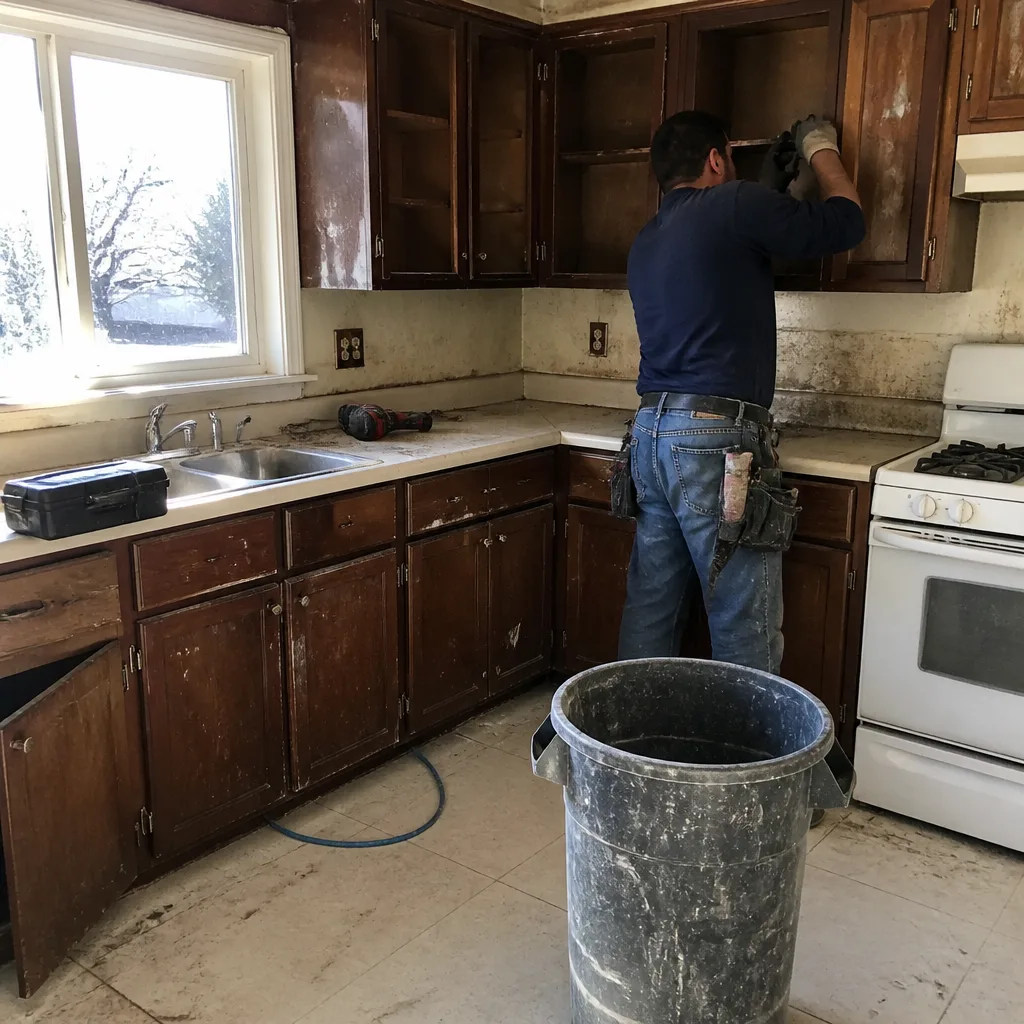 Before
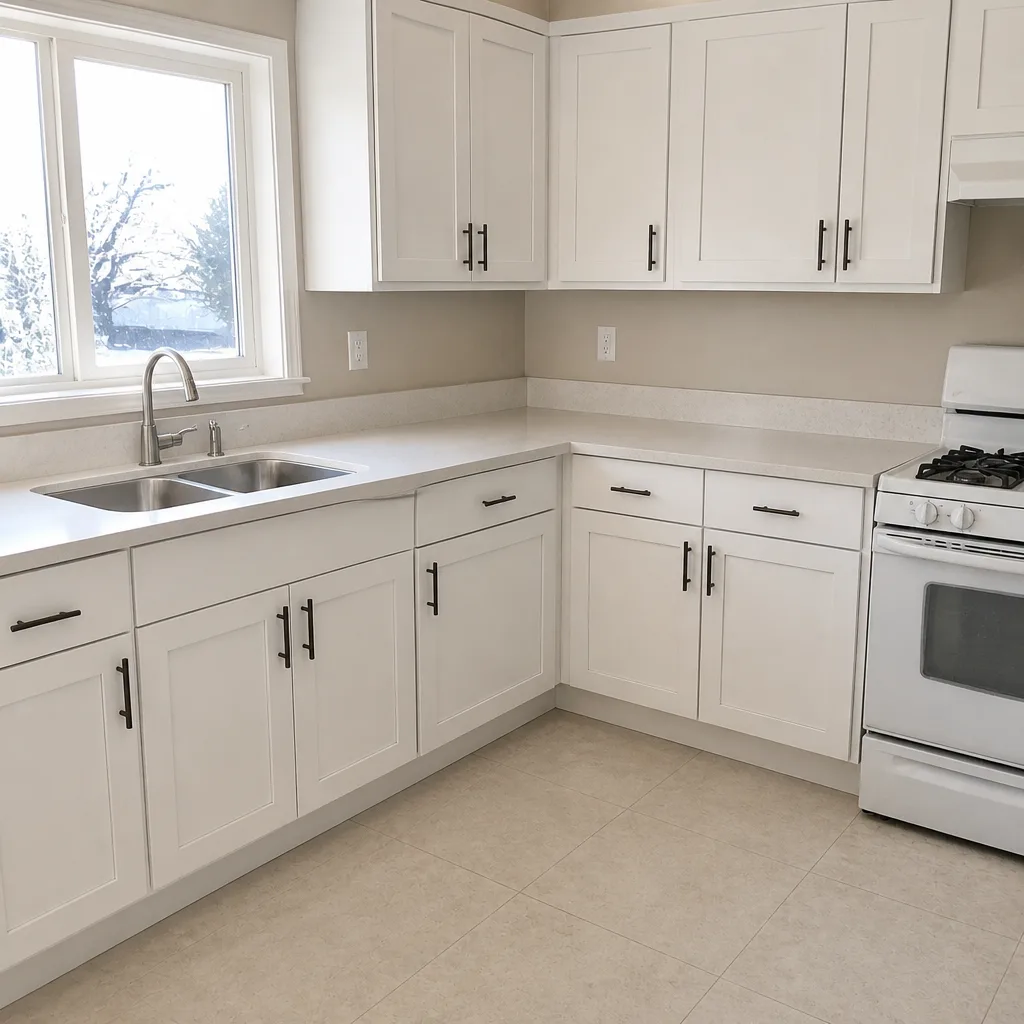 After
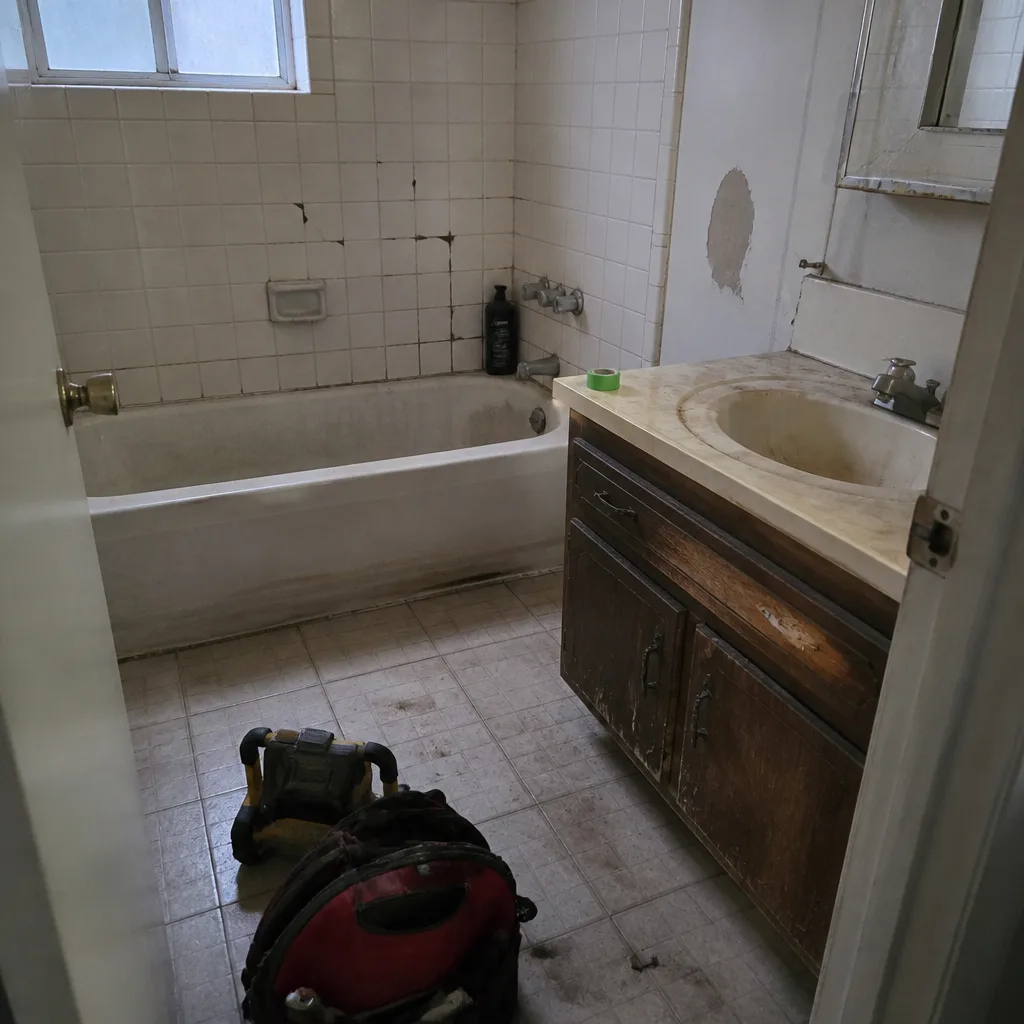 Before
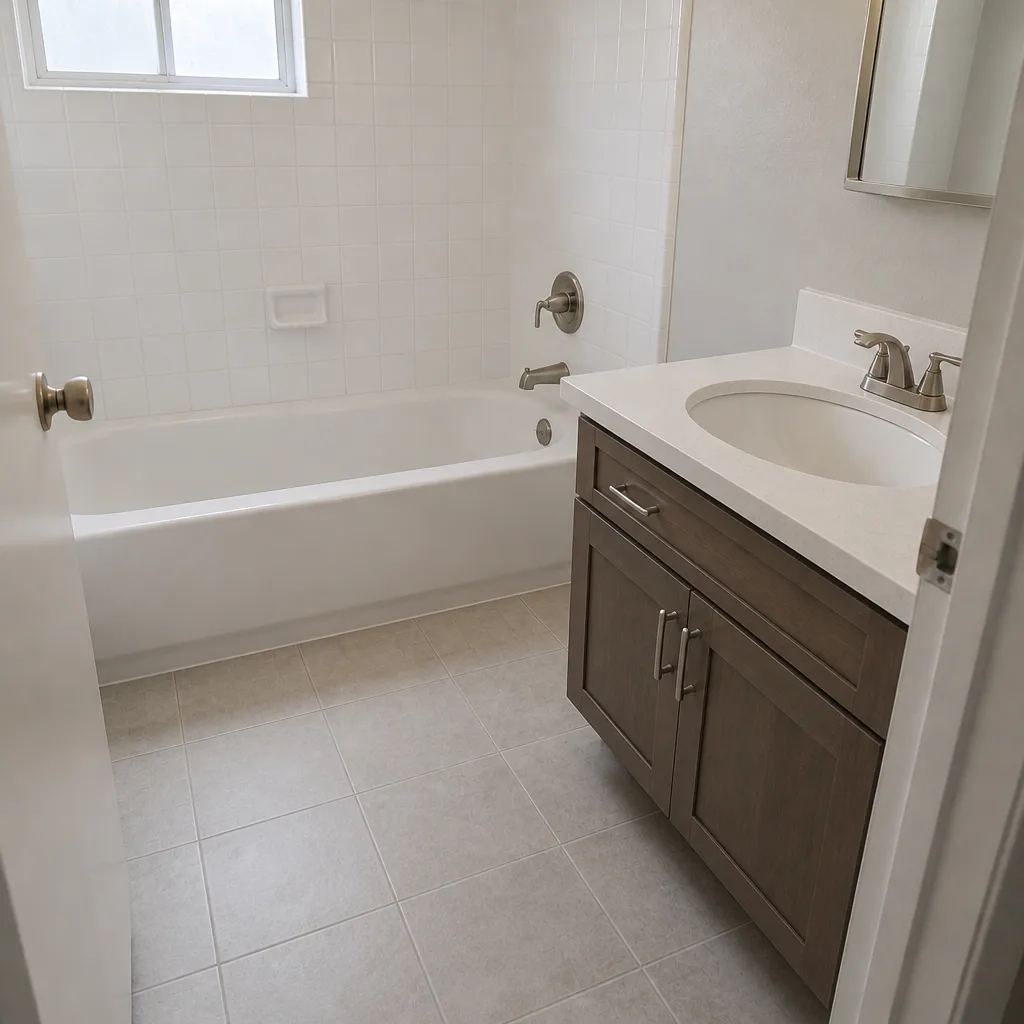 After
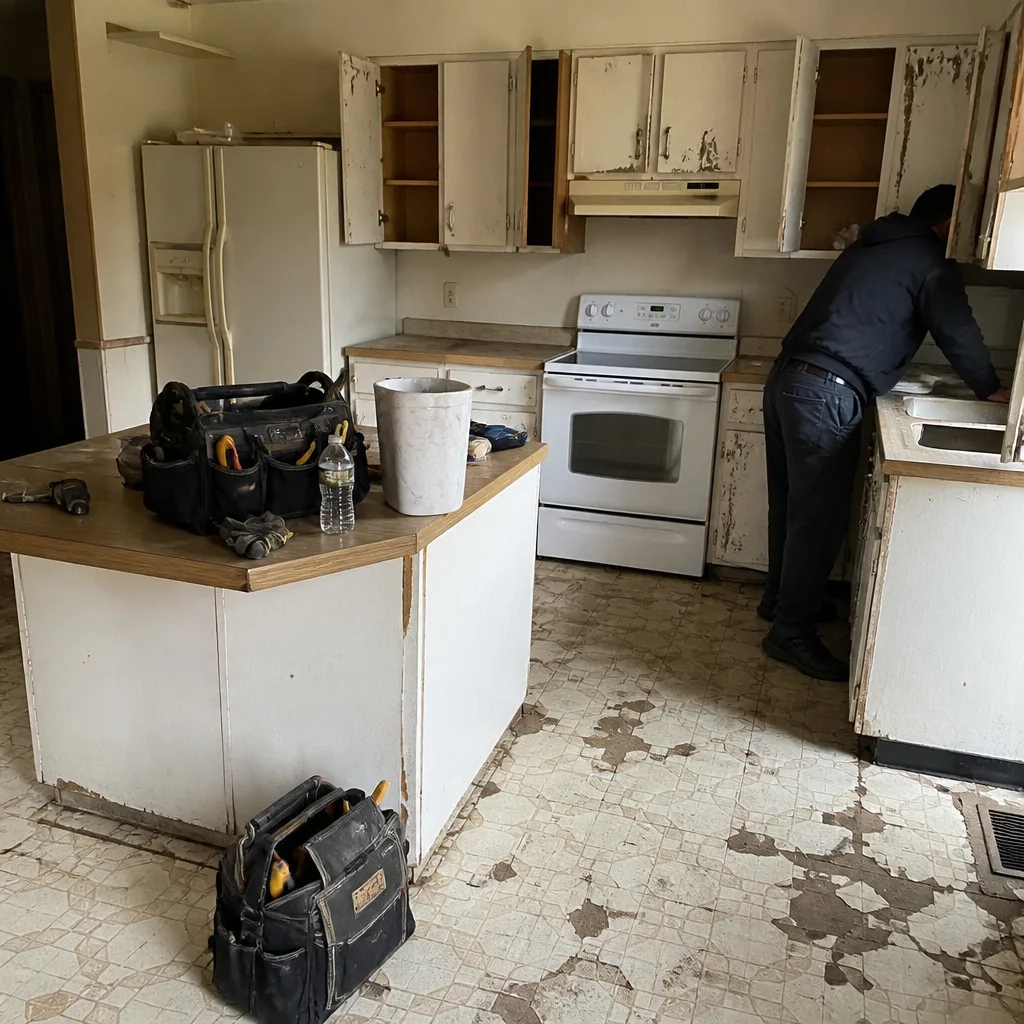 Before
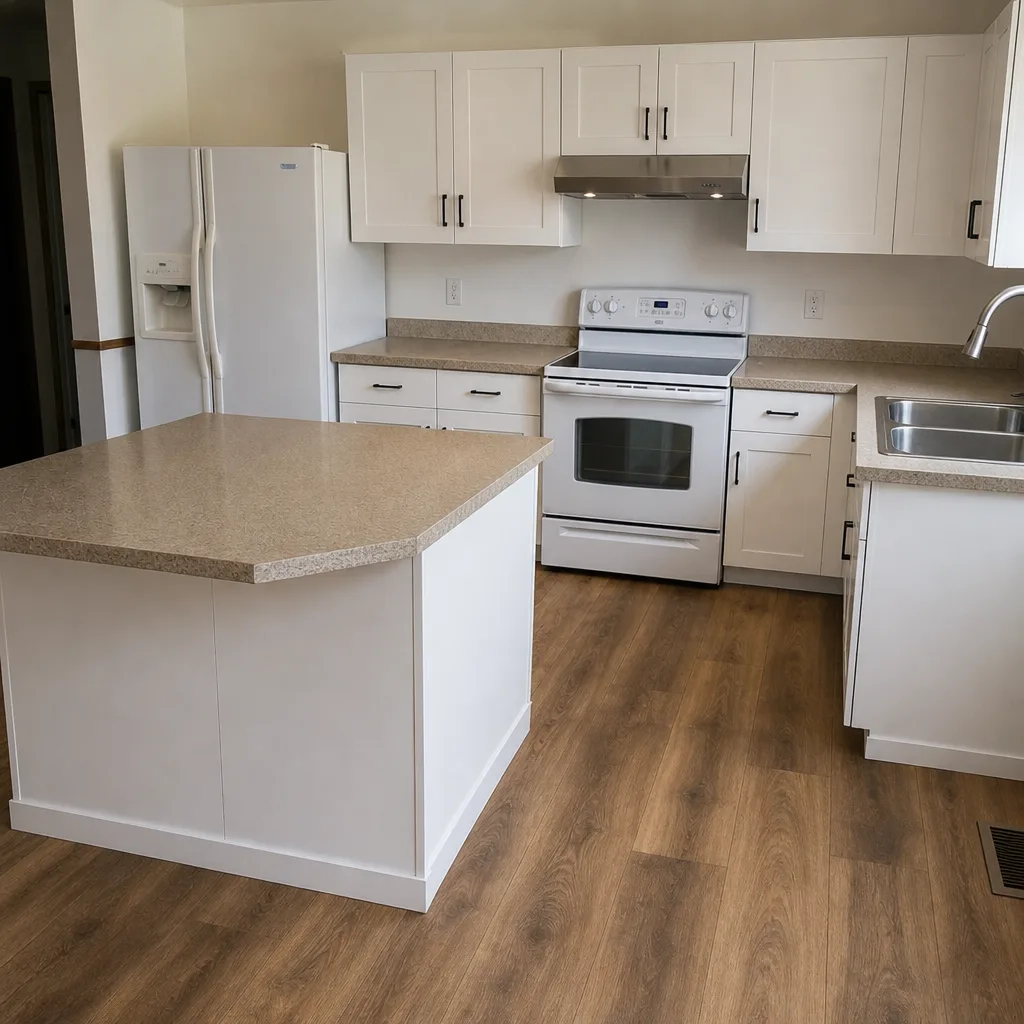 After
Common Mistakes to Avoid
- Hiring off a verbal estimate. A verbal range is a suggestion. A written number is a commitment. Never hand a deposit over for a verbal.
- Accepting a license without checking the classification. A C-specialty license can be perfectly valid and still wrong for your kitchen remodel. Match the class to the scope.
- Skipping the change-order clause. That single paragraph decides who absorbs the surprise costs. Read it before you sign.
- Paying on a calendar schedule. “50% at signing” money leaves your hands before work starts. Tie draws to milestones.
- Letting “we’ll be there between 8 and 5” stand. Ask for a written time block. If the answer is fuzzy, the schedule will be too.
- Accepting a guarantee that’s verbal. “We stand behind our work” is a sentiment. A written guarantee with a coverage period and a return-visit process is a promise.
- Ignoring the materials question. “Quartz countertops” could mean a basic tier or a premium slab. Ask which brands and which grade are included.
When to Call a Professional
Some projects are safe to tackle yourself. But kitchen and bath work moves plumbing, electrical, and framing, and those are the areas where a wrong move costs more to fix than to have hired out. Call a licensed professional when the job involves moving a drain line on a slab, replacing a shower pan and waterproofing, removing a load-bearing wall, or pulling a permit. Call one when your scope touches gas, electrical panels, or structural work, too. And call when the bid you were given doesn’t hold up to the tests in this guide – that’s the clearest signal the contract is doing more for the contractor than for you. Penhallow Remodeling Winchester offers free estimates in Winchester – call (844) 797-9439 to schedule yours.
Frequently Asked Questions
Look up the contractor’s license number on the Nevada State Contractors Board (NSCB) database. Confirm the license is active, the classification matches your project (B for general building, C-specialty for trade-specific work), and there are no disciplinary actions on file. The lookup is free and takes about five minutes.
Yes, for any project over $1,000. But Nevada doesn’t require the contract to include a fixed price, a completion date, or a guarantee, so you have to insist on those terms yourself. A contract can be legal and still leave you exposed if it doesn’t state a fixed number and a milestone-based payment schedule.
10-20% at signing is typical and covers permit pulls and material orders. Anything above 30% is a red flag. The remaining payments should be tied to verified milestones – rough-in inspection passed, substrate installed, finish work complete, punch list cleared – never to calendar dates.
A specific one-to-two-hour block, written into the contract. “Morning” or “8 to 5” is a placeholder. A real window is 8:00-9:30 a.m., with a heads-up call if the crew is running late and a new confirmed time the same day.
Yes. Every technician who works in your home is background-checked and arrives in uniform. A live person answers our phone 24/7. Every project gets a written price before work starts and the 365-Day Done Right Promise – if it’s not done right, we make it right, in writing. Call (844) 797-9439 for an exact quote on your project.
Yes, and legitimate change orders are normal on real jobs. What matters is that they’re written, priced, capped where possible, and signed by both parties before extra work begins. If the contract allows verbal change orders or sets change pricing at “contractor’s discretion,” ask for a not-to-exceed cap and a written approval process. Call (844) 797-9439 if you’d like us to walk through how we handle change orders on Winchester projects.
The Bottom Line
Hiring a contractor in Winchester comes down to filtering out the structural asymmetry. Verify the Nevada license on the NSCB database and confirm the classification. Demand a written estimate with a fixed price, named materials, a defined scope, and a written guarantee. Read the change-order clause before anything else. Insist on a real arrival window and a milestone-based payment schedule. The contractor you want answers when you call, arrives in the window they gave, and hands you a number you can hold them to – and if you’re ready for that standard applied to your project, call Penhallow Remodeling Winchester at (844) 797-9439 for a free estimate.
Written by the team at Penhallow Remodeling Winchester.