Last updated November 18, 2026



Free written scope consultation - allowances, timeline, and change-order rules on paper before a single trade is scheduled
Construction Cost Breakdown: The Winchester Homeowner’s Reference for 2026
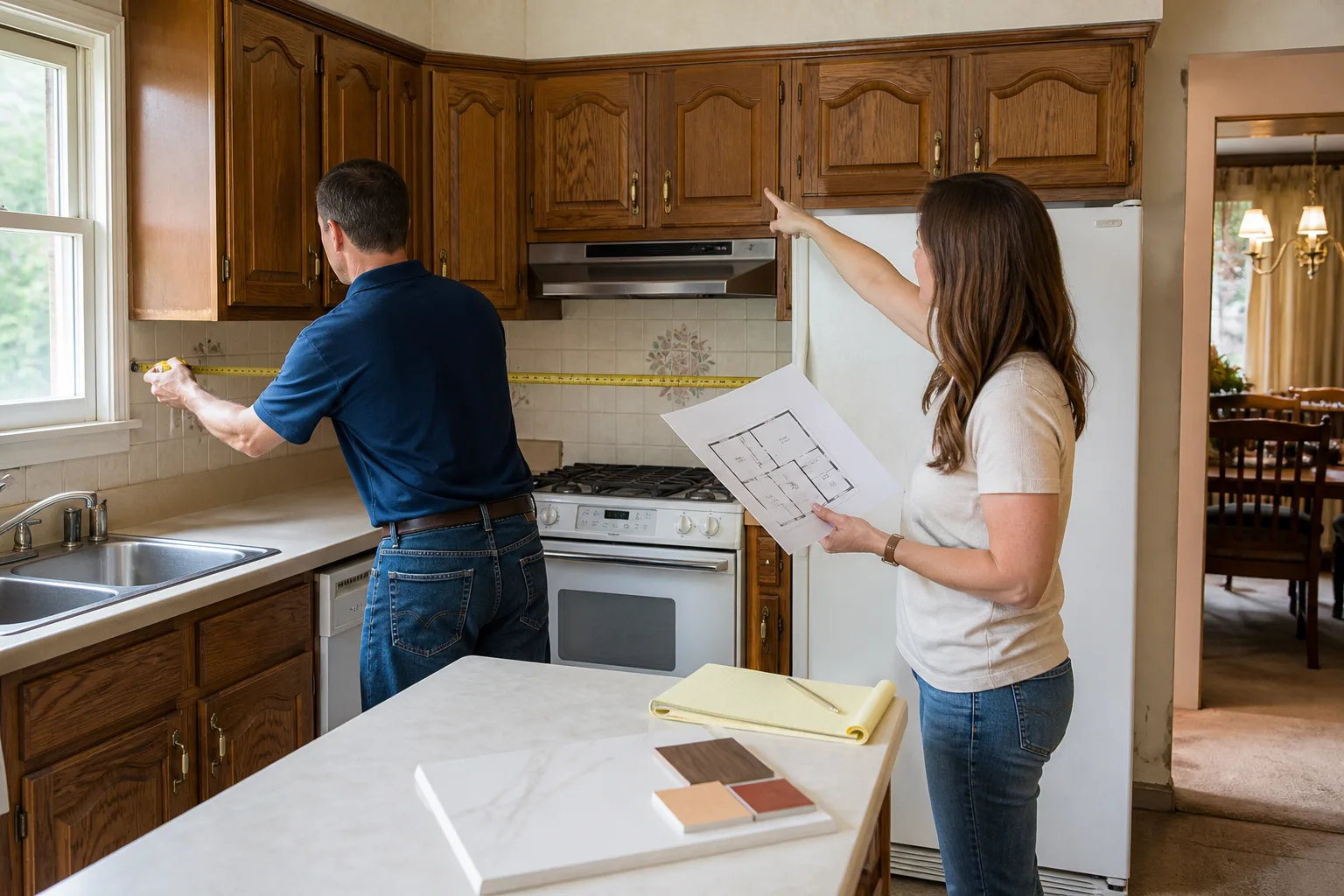
When one contractor hands you a $14,000 kitchen remodel estimate and a second one quotes $22,000 for what sounds like the same scope, neither number is useful on its own. The difference between those two bids usually lives in three places: labor rates for the specific trades involved, Clark County permit fees, and material allowances. In Winchester, 2026 has added pressure to all three – regional labor rates have climbed, Clark County adjusted its inspection fee schedule, and post-tariff material pricing has pushed cabinet and countertop costs up. This guide breaks down every line item so you can read an estimate in Winchester and know which numbers are fair and which are padded.
Quick Answer
A typical kitchen remodel in Winchester runs $18,000-$55,000 in 2026, a bathroom remodel $9,000-$28,000, and a whole-home remodel $80,000-$220,000 depending on square footage and finish level. Labor accounts for roughly 40-50% of those totals, materials 30-40%, permits and inspections 3-6%, and contractor overhead and margin the remainder. The number that matters most is not the total – it’s whether the estimate breaks those categories out in writing before work starts.
Styles & brands we work with
- Kitchen remodeling
- Bathroom remodeling
- Home additions & ADU
- Roofing
- Windows & doors
- Driveway & pavers
- Fence
Table of Contents
- Winchester-area labor rates by trade in 2026
- How to read a line-item estimate
- Clark County permit fees for common remodels
- Material cost benchmarks by square foot
- What a fixed-price contract locks in
- How allowances leave money open – and how to close it
- How to verify the number a contractor quotes you
Winchester-Area Labor Rates by Trade in 2026
Labor is the largest single line item in any Winchester remodel, and it’s the one homeowners understand least. Trades bill differently – some by the hour, some by the square foot, some by the “unit” (a vanity, a door, a fixture set). Here are the ranges we see quoted by local crews in Winchester this year:
- Tile setting: $9-$16 per square foot for floor and wall tile, plus $400-$900 for a shower pan or prep work. Pattern tile, large-format porcelain, and natural stone push toward the top of the range.
- Framing: $80-$130 per linear foot for interior wall framing; structural changes that require a header or beam run $400-$900 per opening.
- Electrical rough-in: $95-$145 per device (outlets, switches, dedicated circuits); a full kitchen rewire runs $2,800-$6,500.
- Cabinet installation: $45-$85 per linear foot for stock cabinetry; semi-custom runs $70-$130, and the range climbs with island fabrication and crown molding.
- Drywall and finish: $28-$55 per sheet hung, taped and floated to paint-ready.
Those ranges reflect Winchester-area crews working in the current market. A bid that undercuts the low end of a labor line by 20% or more is not a bargain – it usually means the crew is unlicensed, the work will be subcontracted two levels deep, or a change order is coming on demo day. If you’re pricing a larger scope with multiple trades, our General Contractor in Winchester page covers how trades are sequenced and what changes the labor number.
How to Read a Line-Item Estimate
A real estimate breaks a project into named line items. A “ballpark” quote hides the same costs behind a single number. When you sit down with any Winchester contractor’s estimate, use these steps to classify what you’re looking at:
- Split fixed from discretionary. Permit fees, inspection fees, and material costs from a quoted spec are fixed. Setup, demo haul-away, and “miscellaneous” are contractor-discretion padding and can be negotiated.
- Look for a labor line per trade. If tile, electrical, and cabinetry each have their own number, the estimate is traceable. If labor is a single lump, ask which trades are included.
- Check the material spec. “Tile allowance” with no brand or size is open-ended. “Ceramic floor tile, 12×24, $4.50/sq ft” is a real line.
- Confirm whether a change order has a written cap. A good contract says anything over a set percentage requires your signed approval before work proceeds.
- Verify the permit line against the actual Clark County fee. The next section shows how.
The gap between bids is almost always in the discretionary lines and the material spec. Two Winchester contractors can quote the same scope and land $6,000 apart purely on what each assumed for cabinetry and countertop grade.
Clark County Permit Fees for Common Remodels
Permits are the least-negotiable line on any Winchester estimate, and one of the easiest to verify. Clark County’s Building Department publishes its fee schedule, and the number a contractor quotes you should map to a fixed formula – typically a base permit fee plus a valuation-based component tied to the declared project cost.
- Kitchen remodel (non-structural, no electrical panel change): typically $180-$420 in permit and inspection fees.
- Kitchen remodel with new circuits or relocated plumbing: add $90-$250 for the trade-specific inspections.
- Bathroom remodel (fixture swap or full gut): $140-$360, higher when a shower valve or drain line is relocated.
- Structural changes (wall removal, beam install): $300-$700 for the structural review.
- Window replacement: $12-$30 per opening as a permit add-on, supplier-dependent.
Two things to check. First, ask the contractor whether their permit line matches the county fee or includes a markup – some do, and a reasonable markup for pulling and managing the permit is fair, but it should be disclosed. Second, ask whether inspections are included. In Winchester, unpermitted renovation work can surface at resale or during a future inspection, and the cost to retroactively permit it usually runs higher than the original filing. Our team at Penhallow Remodeling Winchester pulls permits as part of every project and builds inspection appointments into the schedule; a written price up front includes this line so there’s no surprise invoice when the county inspector arrives.
Material Cost Benchmarks by Square Foot
Material pricing is where the biggest spread exists between bids, because “tile” and “LVP” can mean three quality tiers apart. Here are the 2026 Winchester benchmarks we use when building a written estimate, so you have a reference point:
- Luxury vinyl plank (LVP): $3.50-$7.50 per square foot installed, including underlayment. Wear layer, thickness, and whether it’s glue-down versus floating are the biggest drivers.
- Ceramic and porcelain tile: $6-$14 per square foot installed for standard sizes; $12-$22 for large-format or pattern set.
- Stock cabinetry: $180-$340 per linear foot for the cabinet box and door. KraftMaid and Wellborn stock lines sit in this band.
- Semi-custom cabinetry: $340-$620 per linear foot, with soft-close, custom sizing, and finish upgrades driving the range.
- Countertops: $45-$95 per square foot installed for quartz from Cambria, Silestone, or Caesarstone; $30-$60 for laminate; $65-$140 for natural stone.
- Windows: $450-$1,100 per opening installed for mid-grade lines from established manufacturers; hurricane-rated glass pushes the upper end. We’ve seen CWS and ES Windows spec’d on recent Winchester jobs where the homeowner wanted a warranty-backed line.
Material specs in a written estimate should name the brand and the grade. “Quartz countertop” is not a spec. “Cambria quartz, 3 cm, edge profile TBD” is. When a bid doesn’t name the product, the number on the invoice will be the cheapest version the contractor could source, not the one you thought you were buying.
What a Fixed-Price Contract Actually Locks In
A fixed-price contract in Winchester locks the labor and material spec to a written number, which means the contractor carries the risk of cost overruns on the items the contract names. What it does not lock in – unless the contract says so – is scope changes, concealed conditions, and allowance overages. Understanding those three is the difference between paying the quote and paying 1.4x the quote.
What a fixed-price contract should state, in writing:
- The full scope – every trade, every material, every fixture, named.
- The allowance amounts for anything not yet selected (see next section).
- How change orders are approved – signed, dated, and priced before work proceeds.
- What happens if concealed conditions are found (rotted subfloor, hidden plumbing, water damage). The contract should say who pays for discovery and how the cost is priced out.
- The guarantee – what it covers, how long it lasts, and what the contractor’s obligation is if work fails.
The Kingswell Guarantee, which every Penhallow Remodeling project operates under, requires that written price before any work starts. Our 365-Day Done Right Promise extends a written guarantee past project close: if something we installed fails inside the first year – a tile pops, a cabinet door fails, a shutoff valve leaks – we come back and fix it at no charge. That guarantee is only possible when the scope is fixed on paper first.
How Allowances Leave Money Open – and How to Close It
An allowance is a placeholder dollar amount in an estimate for something not yet chosen – typically tile, lighting, plumbing fixtures, or countertops. Allowances are normal and necessary. They become a problem when the allowance is set below the realistic market price for what the homeowner actually wants, so every choice triggers an upgrade charge after demo begins. In our experience, that gap is where most Winchester remodel budget overruns begin.
Three steps to close the gap before signing:
- Ask for the allowance line by line. A good estimate lists every allowance with its dollar amount and the spec it corresponds to.
- Price your actual selections against the allowance. Take one fixture and one tile you’re considering to the showroom; if your selections run above the allowance, ask the contractor to raise the allowance now and lock the price.
- Choose the biggest-ticket items before signing. Countertops and cabinetry are the two lines that most often swing the final invoice. Settle those two, and the rest of the estimate holds.
Our team sits with homeowners during the estimate and goes through every allowance line – the goal is that the number on day one matches the number on the invoice. If you’d like to see what a fixed-price line-item kitchen estimate looks like in Winchester before you talk to anyone, that’s most of what our Kitchen Remodeling in Winchester page walks through.
How to Verify the Number a Contractor Quotes You
Any single estimate you receive in Winchester can be checked against three reference points in under an hour:
- Cross-check the permit line against the Clark County Building Department’s published fee schedule. If the contractor is quoting $800 for a kitchen permit that the county lists at $280, ask what the extra covers.
- Cross-check the labor lines against the trade ranges in this guide. A $40/sq ft tile line is either premium material, premium setter, or markup; you should know which.
- Cross-check the material spec against the brand’s published product catalog. If a bid says “KraftMaid cabinetry” without naming the door style, the price could range $180-$340 per linear foot and you don’t know which.
If you want a reference point before you solicit a single bid, schedule a walk-through with our team. We’ll hand you a written line-item estimate on your Winchester project – free, no pressure, and yours to compare against any other bids you collect. Homeowners comparing costs often start with our Bathroom Remodeling in Winchester guide, because bathroom scopes are small enough to see the whole line-item structure at once.
Common Mistakes to Avoid
- Comparing totals instead of line items. A $22,000 bid and a $14,000 bid on the same scope are only comparable if you can line up every trade, material, and permit fee side by side. If a bid isn’t line-itemed, ask for one in writing before you compare anything.
- Choosing on allowance without a spec. “Tile allowance $2,000” tells you nothing about what you can actually buy. A spec of the brand, size, and finish tells you exactly what the allowance covers.
- Signing before the biggest materials are chosen. In Winchester homes, the two lines that most often swing the final number are cabinetry and countertops. Pick both before you sign, or accept that the total is a moving target.
- Missing the concealed-conditions clause. Clark County has plenty of older housing stock where a bathroom demo uncovers water damage the original bid couldn’t have priced. The contract should state in advance how that cost is handled, not leave it to a verbal conversation the day the wall opens.
- Skipping the permit verification. Unpermitted renovation work surfaces at resale and during future inspections. A quick check of the Clark County fee schedule confirms the contractor is filing the right permit at the right fee.
- Assuming the low bid is a bargain. A bid under the realistic labor range usually means the crew is unlicensed, the work will be subcontracted, or a change order is coming. Checked against the ranges in this guide, a suspiciously low bid warns you before demo day.
- Trusting a verbal schedule. “We’ll get to it when we get to it” is a schedule that doesn’t exist. A written arrival window is part of a fair estimate; it should appear on the contract, not in a text the night before.
See the difference
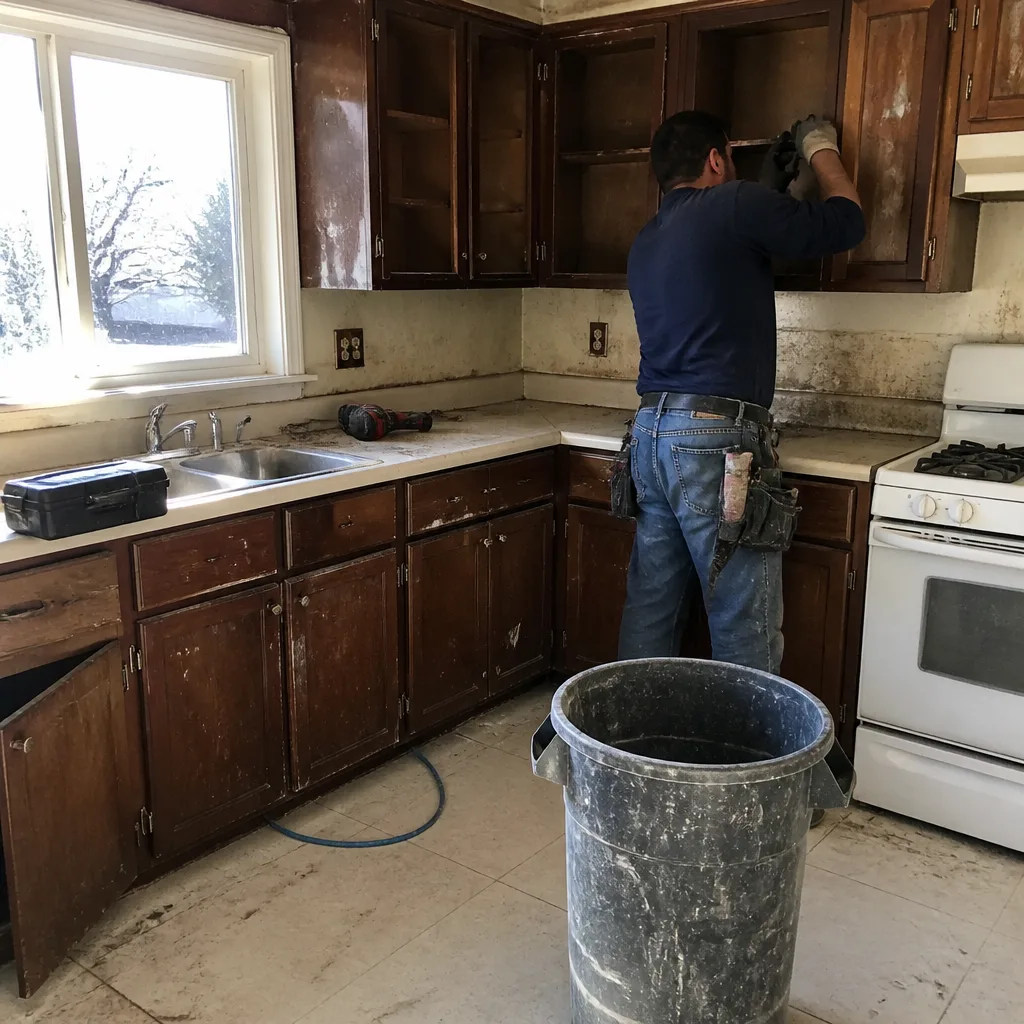 Before
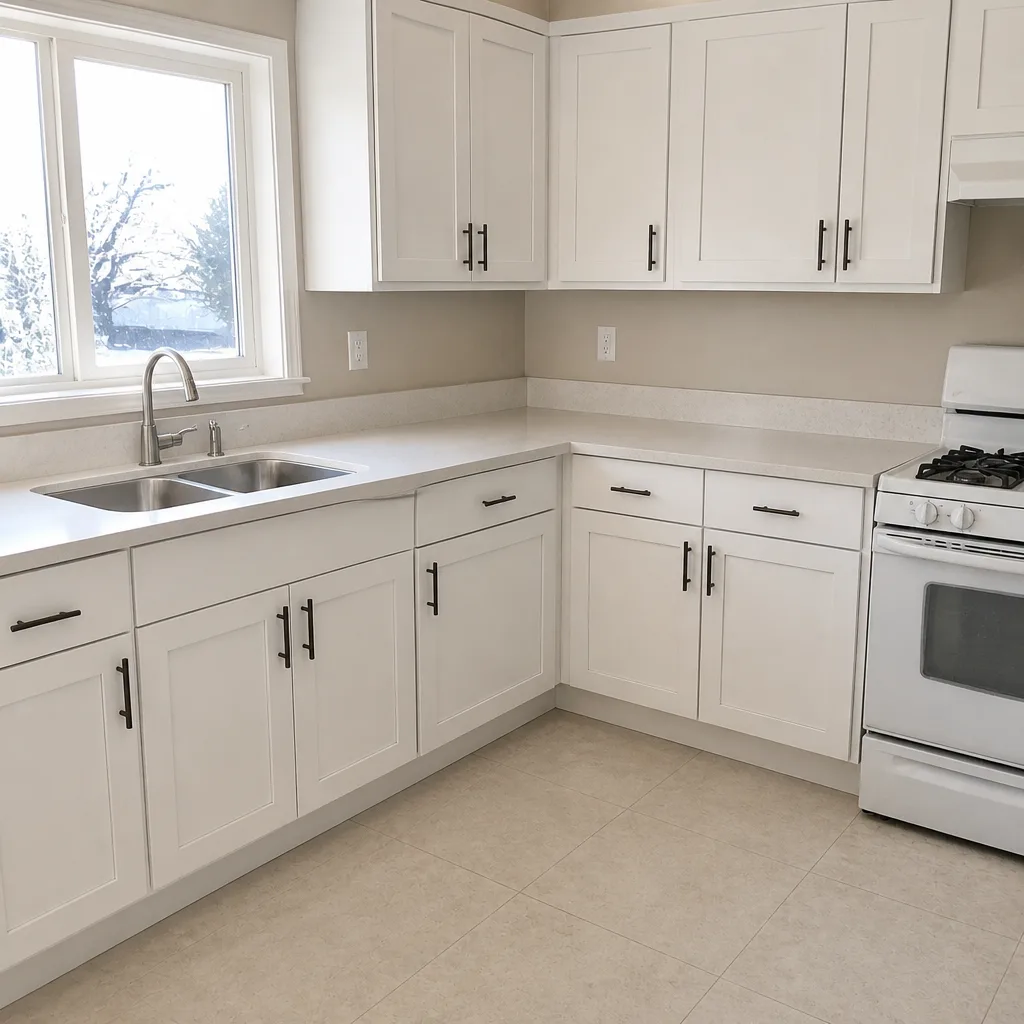 After
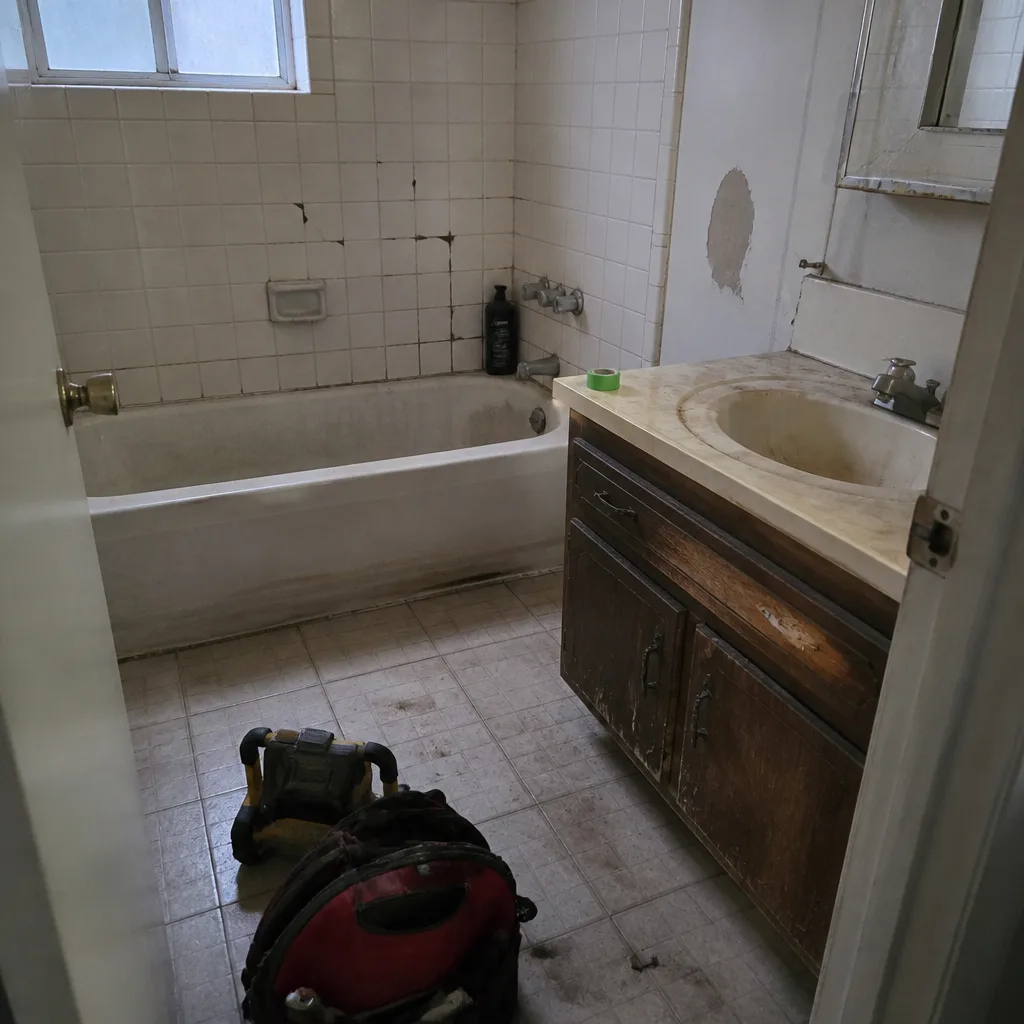 Before
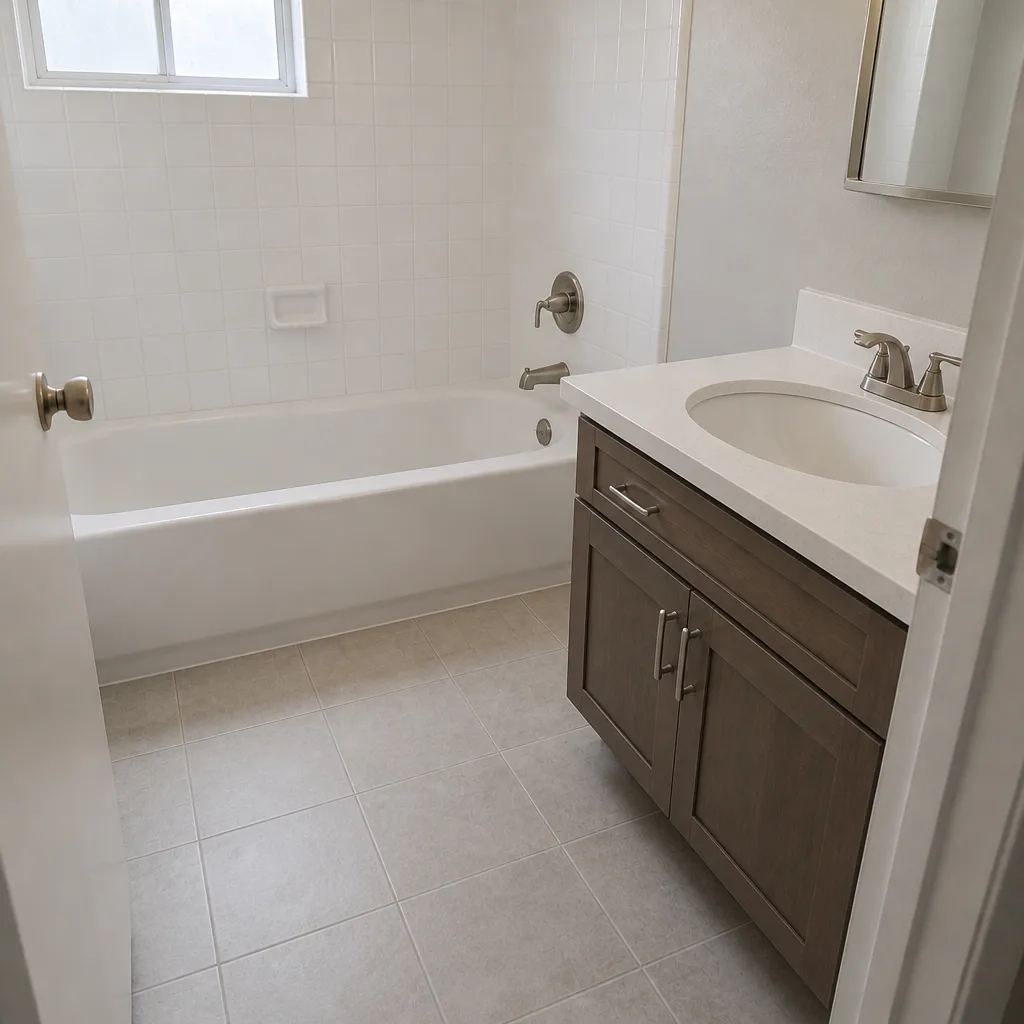 After
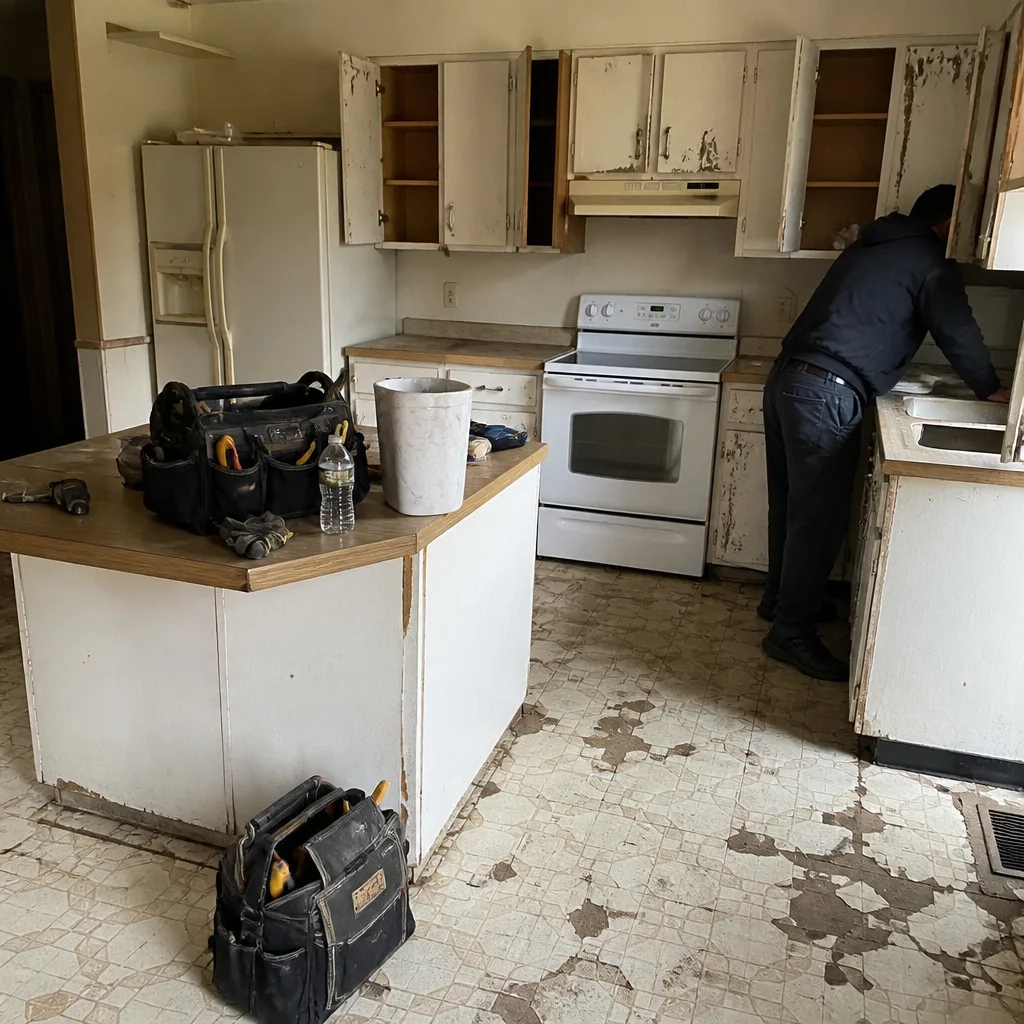 Before
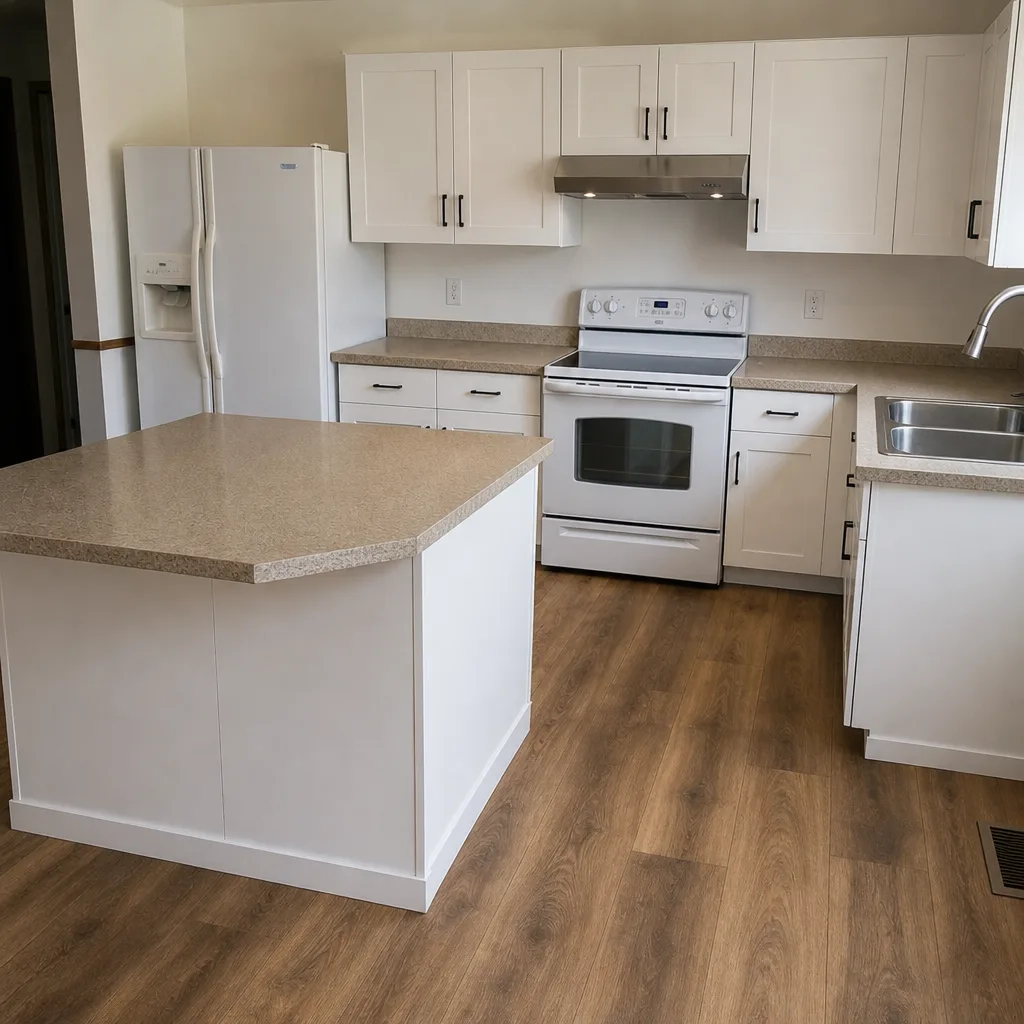 After
When to Call a Professional
Call a licensed contractor when the scope involves structural changes (wall removal, header install, load-bearing modifications), any electrical work on the panel or new dedicated circuits, plumbing relocation inside the wall, or permit-required renovation of any kind. Even finish-only jobs deserve a professional if the substrate underneath isn’t sound – tile set over a failing cement board substrate is a repair that fails again within a season. If you’re weighing a full remodel against a phased renovation, the arithmetic usually favors the full scope once you account for two rounds of permits and two rounds of demo haul-off. Penhallow Remodeling Winchester offers free written estimates in Winchester – call (844) 797-9439. Every project gets a written price before any work starts, a real arrival window, and a guarantee you can hold us to. Our technicians have up to 22 years of experience, and they arrive background-checked and uniformed on every job.
Frequently Asked Questions
A kitchen remodel in Winchester typically runs $18,000-$55,000, with the spread driven by cabinet grade (stock versus semi-custom), countertop material (laminate versus quartz from Cambria or Silestone), and whether the layout changes require moving plumbing or electrical. A refresh with same footprint and mid-grade materials lands near the low end; a full gut with semi-custom cabinetry and quartz hits the upper end. Call (844) 797-9439 for an exact written quote – estimates are free.
The gap is almost always in three places: what each bid assumed for cabinet and countertop grade, how much discretionary padding sits in the setup and clean-up lines, and whether the permit fee includes disclosed markup. A line-item comparison shows exactly where the difference sits. Most bids that arrive $6,000-$8,000 apart for the same scope tighten to within $2,000-$3,000 once both are rebuilt on the same material spec.
On a fixed-price contract, the price does not change unless the scope changes and you approve it in writing. What does move is the total when allowances in the original estimate were set below the actual selections. That’s why we walk every allowance line with homeowners before signing – so the number on day one is the number on the invoice.
Yes. We file the Clark County permits and schedule the inspections as part of every project, and the permit line appears in the written estimate so you can verify it against the county fee schedule. If a contractor tells you a permit isn’t needed for a scope that requires one, that’s a real warning sign – unpermitted work surfaces at resale and usually costs more to retroactively permit than to file properly.
A full bathroom gut and rebuild in Winchester usually runs 12-18 working days from demo to final inspection, depending on tile scope, whether plumbing is relocated, and how fast the Clark County inspection milestones schedule. A fixture-and-finish refresh can finish in 5-8 working days. A written schedule with an arrival window is part of the estimate – it’s how you know the project is on track.
We install cabinetry from KraftMaid and Wellborn, quartz from Cambria, Silestone and Caesarstone, plumbing fixtures from Kohler and Moen, and windows from established manufacturers including CWS and ES Windows. Each brand carries its own manufacturer warranty alongside our written guarantee, which is why the spec matters in a written estimate – the brand and model determine what’s covered.
The Bottom Line
Construction costs in Winchester this year come down to three pressures: regional labor rates that have climbed across every trade, Clark County’s inspection fee schedule, and post-tariff material pricing on cabinets and countertops. Homeowners who can read a line-item estimate – splitting fixed from discretionary, matching labor to the trade ranges in this guide, verifying permits against the county schedule, and settling the two biggest material lines before signing – can tell the difference between a fair Winchester bid and a padded one in under an hour. A written price, a real arrival window, and a written guarantee aren’t extras; they’re the baseline a fair estimate is built on.
If you’d like a written line-item estimate on your Winchester project, call Penhallow Remodeling Winchester at (844) 797-9439. Estimates are free, and every project gets a written price before any work starts.
Written by the team at Penhallow Remodeling Winchester.