Last updated November 18, 2026




Free written scope consultation - allowances, timeline, and change-order rules on paper before a single trade is scheduled
DIY vs Professional Home Remodeling: What’s Safe to Do Yourself
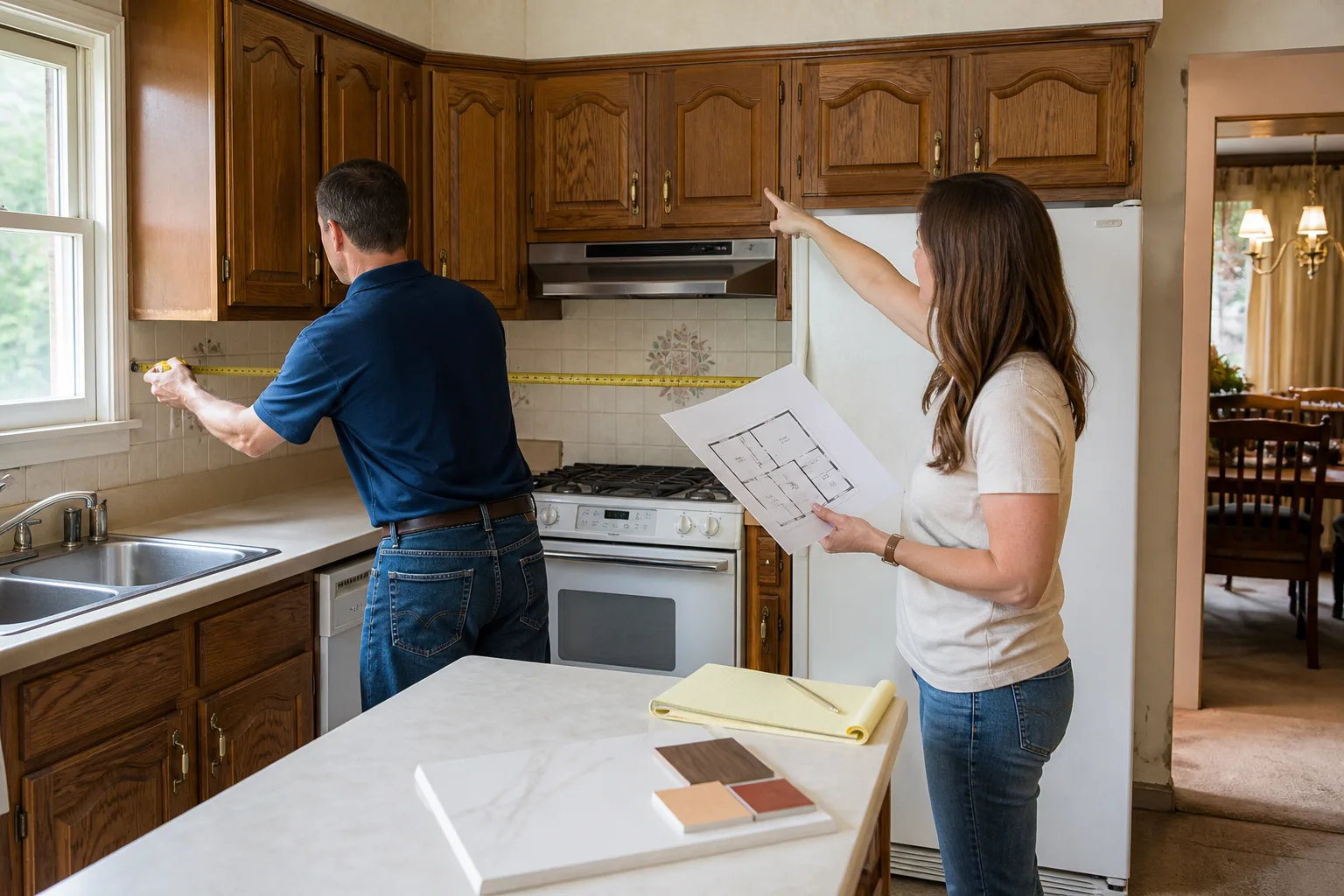
A YouTube tutorial can teach you to tile a backsplash in a weekend. It cannot teach you to spot the moisture barrier problem you’ll find after you pull the old one off, and that discovery is what turns a $300 project into a $2,800 one. The real DIY-versus-professional question isn’t about your skill level. It’s about what happens when something goes wrong behind the wall, and whether you can get a written guarantee on your own work. This guide draws the line at risk and recourse, not ability, so you know exactly which projects you can safely take on in Winchester and which ones deserve a second set of eyes before demo day.
Quick Answer
Cosmetic work that doesn’t touch plumbing, electrical, or structure is generally safe to do yourself: painting, swapping cabinet hardware, replacing light fixtures where no new wiring is needed, and installing simple trim. Anything that opens a wall, moves water or gas, changes a load path, or requires a permit is where hidden conditions and code obligations make professional assessment worth the cost, especially in Winchester’s older housing stock where surprises behind the drywall are common.
Styles & brands we work with
- Kitchen remodeling
- Bathroom remodeling
- Home additions & ADU
- Roofing
- Windows & doors
- Driveway & pavers
- Fence
Table of Contents
- What’s Behind the Surface: The Question That Actually Matters
- Projects That Are Genuinely Safe to Do Yourself
- Projects Where Hidden Conditions Make DIY Risky
- Permit Implications Most Homeowners Don’t Think About
- The “I’ll Save Money” Math, Done Honestly
- The Two-Question Test Before You Pick Up a Tool
- What’s Different About Remodeling in Winchester
- Common Mistakes to Avoid
- When to Call a Professional
What’s Behind the Surface: The Question That Actually Matters
Every remodel decision you’ll make comes down to one thing: what’s behind the surface you’re about to open. Paint and hardware sit on top of a wall. Tile and cabinetry sit on top of a substrate, the structural layer underneath. The moment you penetrate that surface, you’re no longer managing a finish. You’re managing whatever the previous owner, the original builder, or forty years of Winchester weather left in there.
We’ve seen a straightforward tile job turn into a full re-tile because the substrate (the moisture-resistant layer behind the tile) had been wet for years before anything looked wrong. We’ve opened a wall behind a kitchen sink to find old galvanized supply lines a hair’s breadth from failing. These aren’t worst-case scare stories. They’re ordinary discoveries behind the walls of homes built before the 1990s.
The distinction that matters, then, isn’t how hard a task is. It’s whether the task only touches a finish or reaches into the systems and structure that hold the house together. Cosmetic work is different from structural or systems work, and that line is the one that separates a satisfying DIY weekend from a project that swallows your budget.
Projects That Are Genuinely Safe to Do Yourself
Plenty of remodeling work is well within reach for a careful homeowner. We encourage it. The projects below don’t require opening a wall, moving water or power, or changing how the house carries a load, so the downside if something goes slightly wrong is a cosmetic redo, not a structural problem.
- Painting walls, trim, and doors – sanding and rolling a few coats of paint is low-risk and reversible. You can always paint over a bad paint job.
- Swapping cabinet hardware – pulls and knobs are a true five-minute upgrade. Watch hole spacing when you replace pulls, but there’s no wall to open.
- Replacing light fixtures on existing wiring – if the box and circuit already exist, a fixture swap is a safe weekend task. New circuits or moving a box is a different story.
- Installing simple trim and baseboard – mitered joints and a finish nailer require patience, not a permit.
- Changing faucet cartridges and aerators – replacing a worn cartridge in an existing faucet is minor; re-plumbing a supply line is not.
- Cosmetic caulking and grout touch-ups – resealing a shower or tub surround is safe as long as you’re not tearing out tile.
Notice the pattern. These are the jobs where a do-over costs a Saturday and a can of paint, not a contractor’s invoice and an inspection. If your project fits that description, go ahead and enjoy it. If it veers toward the list in the next section, slow down.
Projects Where Hidden Conditions Make DIY Risky
Some projects look simple right up until the moment the surface comes off. That’s when the real scope appears, and it’s exactly the moment a homeowner without a plan and a written price is most exposed. These are the jobs where we’d tell a friend to get an assessment before touching anything.
- Bathroom tile and shower replacement – behind the old tile you’ll find the waterproofing layer, the substrate, and the framing. A failed moisture barrier that stayed hidden for a decade is common, and it means the job is now a rebuild, not a re-tile.
- Kitchen cabinet and countertop replacement – cabinets attach to framing and conceal supply lines and outlets. A new layout often needs electrical and plumbing moves that only a pro should make.
- Anything involving a wall that might be load-bearing – you cannot tell a load-bearing wall from a partition by glancing at it. Removing the wrong one is a structural, not cosmetic, mistake.
- Electrical panel work and new circuits – this is genuinely dangerous. Panels and wiring carry lethal voltage; a mistake can start a fire inside the wall and stay silent for years. Have a licensed electrician handle it.
- Moving plumbing supply or drain lines – water damage travels, and a slow leak behind a new wall can rot framing for months before you notice.
None of this is meant to talk you out of caring about your home. It’s meant to be honest about the stakes. When the surface comes off and the real condition appears, a professional assessment is cheaper than discovering the problem a year later and paying for it twice.
Permit Implications Most Homeowners Don’t Think About
A permit is more than paperwork. It’s the record that the work was done to code and inspected by the jurisdiction. That record matters long after the project is finished, and skipping it can complicate things years down the road.
When you sell a home, a buyer’s inspector or a title search can surface unpermitted work. In Winchester, a finished basement or a bathroom added without a permit can stall a sale, force a retroactive inspection, or leave a lender unwilling to finance. And if a fire, flood, or other damage traces back to unpermitted electrical or plumbing work, an insurance adjuster can use that as grounds to reduce or deny a claim. The dollar cost of a permit is small compared with the risk of an unpermitted project you can’t easily unwind.
The basic rule: work that changes structure, adds or moves plumbing or electrical, or converts a space’s use typically needs a permit. Cosmetic finishes like paint generally don’t. If you’re not sure which side your project falls on, that’s a good reason to ask before you start. A pro pulls the permit, schedules the inspection, and hands you the signed-off record, which is one of those quiet benefits you only appreciate when you sell.
The “I’ll Save Money” Math, Done Honestly
The reason people DIY is simple: the contractor’s number looks big next to a stack of supplies you can buy yourself. But that comparison leaves out the cost of a do-over, and a do-over is the one line item a homeowner can’t predict.
Take that tiled backsplash. Do it yourself and it’s a modest materials bill. Discover a moisture problem mid-project and it’s suddenly demo, substrate, re-tile, and drywall repair, all without a written price to hold anyone to. The savings evaporate fast when the hidden condition shows up, and now you’re paying a second time for the same square footage.
A pro’s written price before work starts exists to absorb exactly that risk. It means if the wall opens and reveals something nobody expected, the number on day one is still the number on the invoice, and any correction inside the guarantee period comes back at no charge. That’s not a sales pitch. It’s the difference between a project with a ceiling and a project without one.
- DIY best case: you save on labor and finish on schedule.
- DIY hidden-condition case: you pay for materials twice, plus someone to fix your fix.
- Pro written-price case: the quote is the cap, permits are pulled, and corrections are covered by the guarantee.
The Two-Question Test Before You Pick Up a Tool
Before any project, ask yourself two questions. If either makes you uncomfortable, that’s your answer. This test cuts through the “am I skilled enough” debate and gets to the thing that actually decides the outcome.
- Does this touch plumbing, electrical, or structure? If yes, you’re in systems-and-structure territory, where the risk isn’t a cosmetic blemish but water damage, fire, or a failed load path. That’s a job for a trained professional.
- Am I prepared to pay again if I find something unexpected? If the honest answer is no, then a written price from a pro is the cheapest insurance you can buy. If the answer is yes and you have a cushion, cosmetic work is fair game.
Run those two questions against your project honestly. Painting a bedroom passes both. Pulling a shower surround fails the first. Swapping a faucet cartridge passes. Re-plumbing a sink fails. The test won’t make the decision for every project, but it will sort the easy ones from the ones that deserve a call, and it will keep you from confusing “I’ve watched a video” with “I’m covered if this goes wrong.”
What’s Different About Remodeling in Winchester
Winchester has a housing mix that shapes this decision in a way a generic guide can’t capture. Much of the city’s housing was built across several decades, which means you’ll meet everything from older galvanized plumbing to mid-century wiring to newer builds that closed up walls with finishes hiding shortcuts. When a homeowner in Winchester opens a wall, the surprise rate is real, and it’s a big reason we ask questions before we quote.
The desert climate plays a part too. Winchester’s dry air and hard water are tough on shower substrates and grout lines; a moisture barrier that was marginal when installed can fail slowly under years of seasonal cycling, so tile jobs here often reveal more than they show. On top of that, local permitting runs through the city, and work that changes structure or systems needs an inspection record that shows up at resale. If you’re weighing a bigger project, a look at our general contractor services in Winchester is a natural next step, and our bathroom remodeling in Winchester and kitchen remodeling in Winchester pages cover the two rooms where hidden conditions show up most.
Common Mistakes to Avoid
- Assuming the wall is empty. Even a simple backsplash swap can reveal plumbing and wiring you didn’t plan for. Ask what’s likely behind a surface before you cut into it.
- Skipping the permit to save time. Unpermitted work in Winchester can stall a home sale or complicate an insurance claim years later. The permit is cheaper than the problem.
- Judging a load-bearing wall by eye. You can’t tell a structural wall from a partition without looking at the framing and the plans. Get it checked before you remove anything.
- Re-tiling over a bad substrate. Covering a failed moisture barrier just hides the problem and guarantees a second, more expensive failure down the road.
- Treating a verbal estimate as a number you can hold. A ballpark that changes after demo day isn’t a price. Ask for it in writing before work starts.
- DIYing electrical panel work. Panels carry lethal voltage, and a mistake can smolder inside a wall for years. This is never a learning project.
- Forgetting the cost of a do-over. Budget for the chance you’ll pay twice when a hidden condition appears. If that math scares you, that’s a reason to call, not a reason to gamble.
When to Call a Professional
Call a pro when the project touches plumbing, electrical, or structure; when a permit may be required; when you’ll be opening a wall you can’t afford to leave open; or when you’re not prepared to pay twice if the unexpected appears. Those are the moments where a written price and a guarantee are worth more than the labor you’d save. If you’re in Winchester and wondering whether your project crosses that line, that’s exactly the conversation to have before demo day, not after.
Penhallow Remodeling Winchester offers free estimates in Winchester. A live person answers the phone around the clock, you get a written price before any work starts, and background-checked, uniformed technicians handle the job under the 365-Day Done Right Promise: if it’s not done right, we make it right, in writing. Call (844) 797-9439 to schedule your free estimate.
See the difference
 Before
 After
 Before
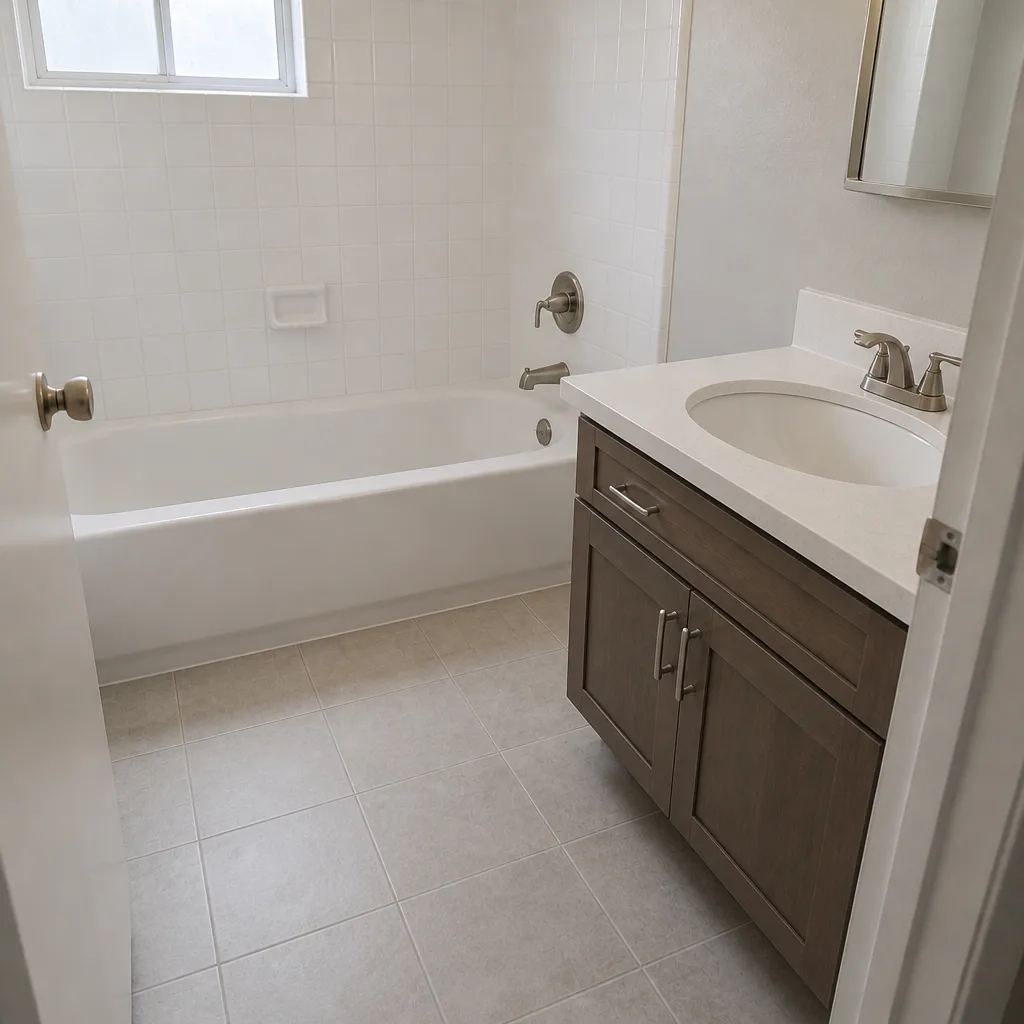 After
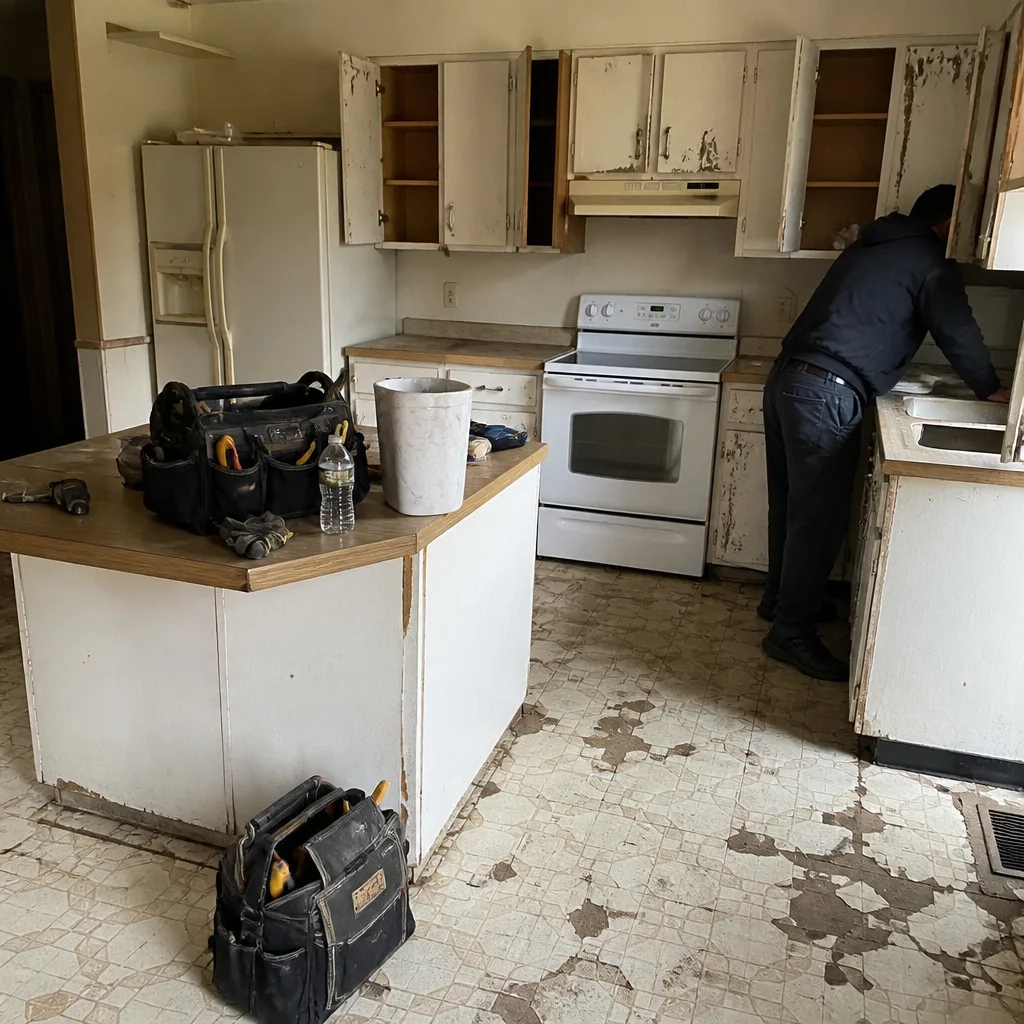 Before
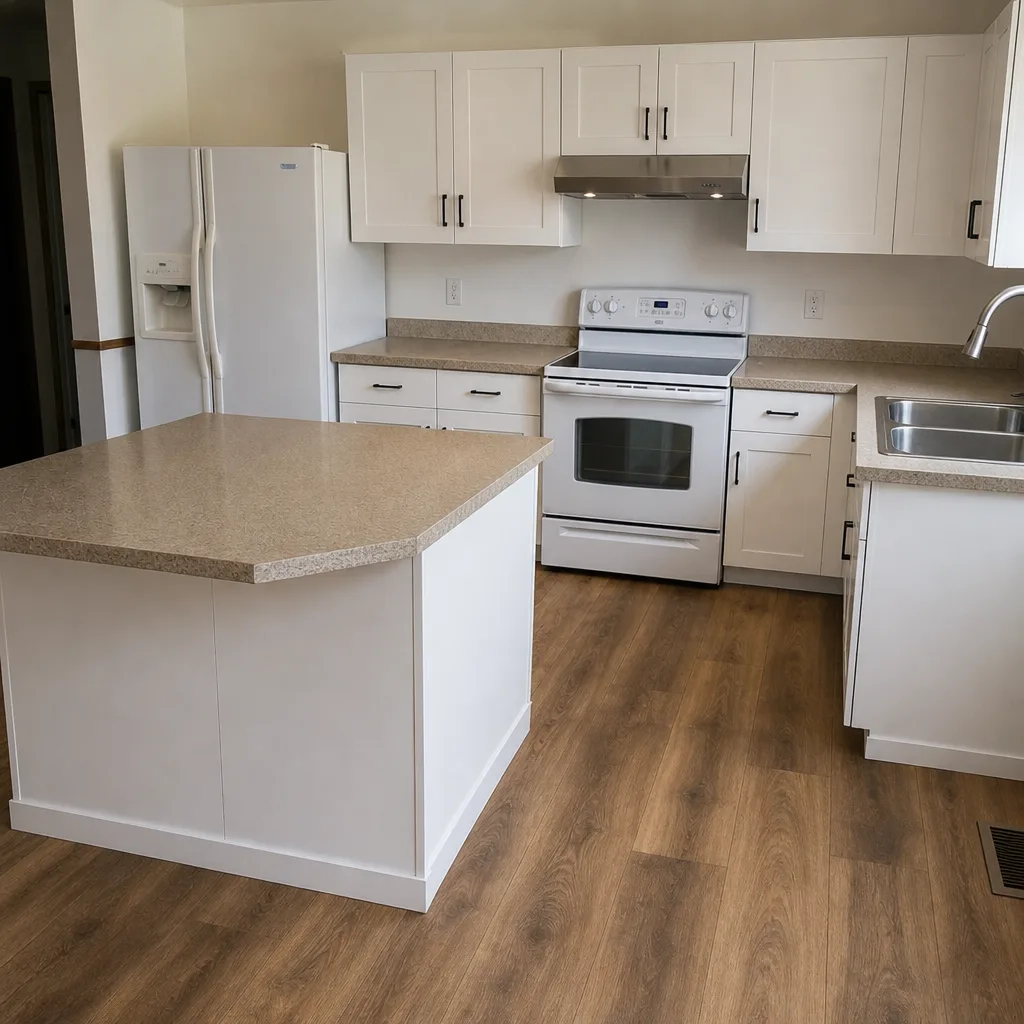 After
Frequently Asked Questions

Cosmetic work that doesn’t touch plumbing, electrical, or structure is generally safe to do yourself, including painting, cabinet hardware swaps, simple trim, and fixture replacements on existing wiring. If the project opens a wall, moves water or power, or needs a permit, get a professional assessment first.
You can do the cosmetic parts, but full bathroom remodeling usually isn’t safe as DIY in Winchester because the work sits directly on top of waterproofing, plumbing, and substrate that fail silently. A shower or tub replacement almost always reveals hidden moisture problems, so it pays to have a pro assess before you tear anything out. Call (844) 797-9439 for a free estimate and a written price.
Work that changes structure, moves plumbing or electrical, or converts a space’s use typically needs a permit, while cosmetic finishes like paint generally don’t. The permit and inspection record matters at resale and for insurance, so when you’re unsure, ask before you start. A pro handles the permitting for you.
Kitchen remodels in Winchester typically run $18,000 – $55,000 depending on layout, cabinet line, and countertop material, while bathroom remodels usually fall in the $9,000 – $28,000 range depending on tile and fixture choices. Whole-home remodels scale with square footage and scope. A written price is the only way to know your number, and estimates are free. Call (844) 797-9439.
With a written price agreed before any work begins, the number on day one is the number on the invoice, even if a hidden condition turns up behind the wall. That’s the point of putting it in writing. Call (844) 797-9439 to get your written price.
You own the correction, and if a hidden condition like a failed moisture barrier or old plumbing surfaces, you may pay twice for the same space. A pro’s written price and guarantee exist to absorb that risk so corrections are covered rather than charged back to you. Call (844) 797-9439 to talk through your project before you start.
The Bottom Line
The DIY-versus-professional question isn’t really about your skill level. It’s about what’s behind the surface and whether you have recourse if something goes wrong. Cosmetic work that stays on top of the wall is yours to enjoy. Systems and structure work, where hidden conditions and permits live, is where a written price and a guarantee make the difference. Our Penhallow Remodeling Winchester home page sums up how we work, and if you’re in Winchester and not sure which side your project falls on, the two-question test will tell you more than any tutorial.
Ready to decide with a number in hand? Call Penhallow Remodeling Winchester at (844) 797-9439 for a free estimate. Every project gets a written price before work starts, background-checked uniformed technicians, and the 365-Day Done Right Promise behind it. A real person answers the phone around the clock, so there’s no voicemail maze and no callback window. Call (844) 797-9439 today.
Written by the team at Penhallow Remodeling Winchester.