
Last updated November 18, 2026






Free written scope consultation - allowances, timeline, and change-order rules on paper before a single trade is scheduled
How Long Does Bathroom Remodeling Take? Timelines and What to Expect
Most contractors will tell you “two to three weeks” for a bathroom remodel. That number assumes zero permit delays, zero hidden rot behind the tile, and a vanity that ships exactly when the supplier promised. None of those things are guaranteed. Here in Winchester, the single most common source of schedule slippage isn’t the demo or the tile work – it’s the permit inspection window. Knowing which phase is most likely to slip tells you more than any ballpark figure ever could. This guide walks through each phase of a bathroom remodel with realistic day counts, so you can plan around the job instead of being blindsided by it.
Quick Answer
A cosmetic bathroom refresh takes 1 to 2 weeks. A full gut-and-replace in Winchester typically takes 4 to 7 weeks start to finish, and the biggest variable is the permit inspection window, not the construction itself. If you’re ordering special tile or a custom vanity, add 2 to 6 weeks of lead time before demo even begins.
Styles & brands we work with
- Kitchen remodeling
- Bathroom remodeling
- Home additions & ADU
- Roofing
- Windows & doors
- Driveway & pavers
- Fence
Table of Contents
- The Five Phases of a Bathroom Remodel, With Day Counts
- Why Permit Inspections Cause the Most Slippage in Nevada
- Cosmetic Refresh vs. Full Gut: Which Timeline Are You Actually On?
- What Lead Time Really Means and Why You Order Before Demo Day
- What a Written Arrival Window Looks Like (and Why It Matters More Than the Total)
- What Hides Behind the Tile: Contingency Planning
- Common Mistakes to Avoid
- When to Call a Professional
The Five Phases of a Bathroom Remodel, With Day Counts
Breaking a bathroom remodel into discrete phases is the only way to understand where the time actually goes. A lumped total hides everything. Here’s how a full gut-and-replace typically runs for a standard hall bath or primary bath in Winchester.
- Demo and site prep (1 to 3 days). Tear-out, haul-away, and protecting the rest of the house. If there’s water damage or old mortar beds, this can stretch to 4 days.
- Rough-in (3 to 6 days). Moving plumbing supply and drain lines, electrical, and the exhaust fan. This is where the trades sequence matters – rough-in has to be right before anything closes up.
- Inspection hold (2 to 10+ days). The building inspection has to pass before tile and fixtures go in. This is the phase most likely to slip in Winchester.
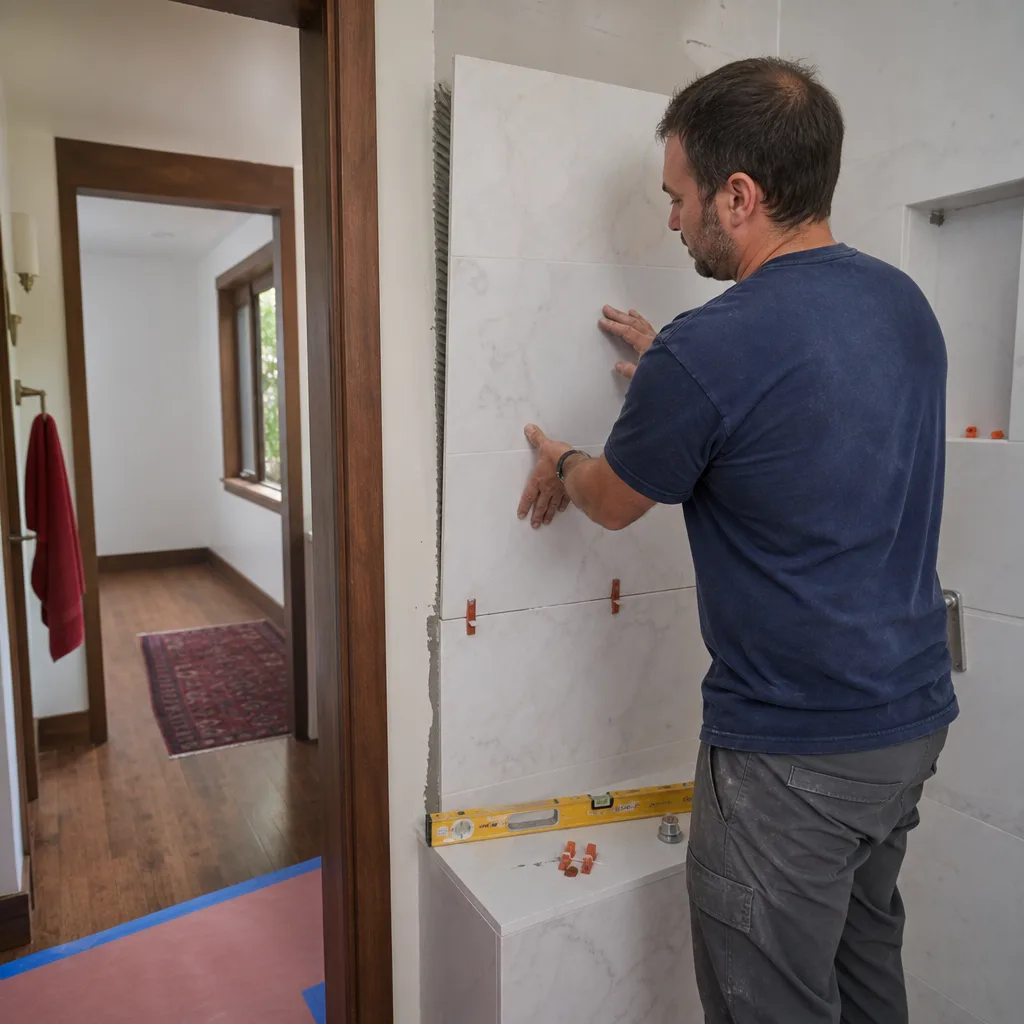
- Tile, waterproofing, and fixtures (5 to 10 days). Waterproofing membrane, cement board substrate (the moisture-resistant layer behind your tile), then tile set, grout, and fixture install. A correctly done shower waterproofing layer alone can’t be rushed.
- Punch-list and cleanup (1 to 3 days). Final touches, caulk, trim, and a proper walk-through.
Add those up and you’re looking at 12 to 32 working days, which translates to 3 to 7 calendar weeks. The gap between the two ends of that range is almost entirely inspection timing and material availability. Our technicians have up to 22 years of experience watching exactly these phases play out, and the inspection hold is consistently the wild card.
Why Permit Inspections Cause the Most Slippage in Nevada
In the Winchester market, the inspection hold is the phase where schedules quietly fall apart. Nevada requires permits for most plumbing relocations, electrical work in wet areas, and any structural changes. Once the rough-in is complete, work stops until an inspector signs off. In a busy season, that sign-off can take anywhere from a few days to a couple of weeks.
Two things make this worse here than in some other markets. First, Winchester’s growth has meant a steady volume of remodel permits, and inspection queues reflect that. Second, the dry, dusty climate means the rough-in inspection sometimes flags things an inspector wants corrected before the hold clears – particularly exhaust venting, since proper moisture control matters more in a low-humidity climate where homeowners don’t always think about it.
How to buffer for it:
- Build 5 to 10 extra days into your schedule for the inspection hold, not zero.
- Have the rough-in done correctly the first time – a failed inspection can double the hold.
- Ask your contractor to schedule the inspection as soon as rough-in completes, not the next week.
- Don’t book a tile installer for the day after rough-in finishes. Give the inspection room.
The lesson is simple: the construction crew can be efficient and the project can still run long because the calendar is waiting on a third party. That’s not a sign of a bad contractor. It’s a sign the contractor is honest about the sequence. If you’re coordinating a whole-home scope or want the wider picture on scheduling, our general contractor in Winchester page covers how the phases interlock.
Cosmetic Refresh vs. Full Gut: Which Timeline Are You Actually On?
Before you plan anything, you need to sort your project into one of two categories. The timelines are wildly different, and miscategorizing costs you weeks of expectation-setting.
A cosmetic refresh means changing finishes without moving plumbing or electrical: new paint, a new vanity top, faucet swap, tile resurfacing, and fixtures. No permit for structural or major systems work is typically involved. This runs 1 to 2 weeks. If you’re swapping a vanity, some of that is a single day of plumbing followed by a few days of finish work.
A full gut-and-replace means the room goes down to the studs. Plumbing moves, electrical is redone, the shower gets new waterproofing, and everything is new. This runs 4 to 7 weeks in Winchester, and it’s the timeline that includes the inspection hold described above.
The middle case – a partial remodel where you keep the tub but replace the surround and vanity – usually lands around 2 to 3 weeks. Be honest with yourself about which one you’re on. If a contractor quotes you “two weeks” for a gut job, ask what they’re leaving out of that number. Nine times out of ten, they’ve excluded the inspection wait or the lead time on special-order materials. Our bathroom remodeling in Winchester page lays out what each scope actually includes.
What Lead Time Really Means and Why You Order Before Demo Day
Lead time is the gap between placing an order and the material arriving. It’s the single most overlooked number in a bathroom remodel, and it’s why a project that should take four weeks can stretch into seven.
Here’s the rule: order your special items before demo day, not after. Standard products move fast. Special items don’t. A few typical lead times:
- Custom or special-order tile: 2 to 6 weeks, sometimes longer if it’s a made-to-order pattern.
- Custom vanity or cabinetry: 4 to 8 weeks depending on the line and configuration.
- Specialty fixtures: quick for in-stock brands like Moen and Kohler, slower for unusual finishes.
- Glass shower enclosures: often templated after tile is set, then fabricated, adding 1 to 3 weeks at the end of the job.
If you order tile after demo, you’re idle for weeks. If you order it during design and have it on-site before the first hammer swings, the crew doesn’t stall. That’s the whole game. A written quote that lays out the material list and expected arrival dates lets you sequence the order correctly – and it’s one of the reasons we put the price in writing before work starts, so nothing about the schedule is a surprise later. If your project also touches adjacent rooms, our kitchen remodeling in Winchester guide covers the same lead-time discipline.
What a Written Arrival Window Looks Like (and Why It Matters More Than the Total)
Homeowners obsess over total project length. It’s the wrong number to fixate on. What actually shapes your experience, day to day, is whether the crew shows up when it said it would.
A written arrival window is a commitment to a specific day and time block – for example, “crew arrives Tuesday between 8 and 9 a.m.” – put in writing before work begins. It matters because a multi-week project is really a series of daily arrivals. If the crew is a day late here and a half-day late there, the total balloons and your life gets disrupted in a hundred small ways. A firm arrival window turns that into a predictable rhythm you can plan around.
Two things to ask for before signing anything:
- A written arrival window for each work day or at least for each phase start.
- A named point of contact who answers the phone. You shouldn’t be chasing a voicemail prompt when the crew hasn’t arrived.
The arrival window is also a proxy for how a contractor runs a business. Anyone can promise a total. Committing to showing up on time, in uniform, with background-checked technicians, on a defined day – that’s harder, and it tells you more about what the project will actually feel like. It’s part of how we operate under The Kingswell Way: say the price before the work, show up in the window we gave, leave the place cleaner than we found it.
What Hides Behind the Tile: Contingency Planning
The most common reason a bathroom remodel timeline slips is something no one could see until demo day. Behind old tile, in a room that’s held moisture for a decade or more, you find things.
What we regularly encounter in Winchester bathrooms:
- Rotted subfloor around the toilet flange or tub, which needs replacing before tile goes down.
- Failed waterproofing from an earlier install, which means the wall substrate has to come out and be rebuilt.
- Old galvanized or polybutylene plumbing that’s near failure and worth replacing while the wall is open.
- Improper venting that a rough-in inspection will flag.
None of these are certainties, but none are rare either. The honest move is to build a contingency into both your budget and your schedule – typically 10 to 15 percent of the timeline. If a contractor quotes you a hard three-week number with no contingency and no plan for what happens if they find rot, that quote is fiction. A written quote with a clear contingency line tells you the contractor has done this before and knows what’s behind the tile.
Our Penhallow Remodeling Winchester home page explains how the written-price and written-guarantee approach protects you when the unexpected shows up. And if the shower waterproofing is what worries you most, it should – a properly installed Schluter system or equivalent membrane is what keeps the next decade dry, and it’s worth asking exactly what’s going behind your tile.
Common Mistakes to Avoid
- Accepting a verbal timeline with no written arrival windows. A total project length is worthless if you don’t know when the crew will show up each day. Get it in writing.
- Ordering tile after demo starts. Special-order tile can take weeks. Order during design so it’s on-site before demo.
- Booking the tile installer right after rough-in. Build a buffer for the inspection hold. The inspection is a third-party schedule you don’t control.
- Assuming “two weeks” means a full gut. Two weeks is a cosmetic refresh. A gut-and-replace in Winchester runs 4 to 7 weeks, and anyone quoting less is leaving something out.
- Skipping the contingency budget. Ten to fifteen percent extra on both time and money covers the rot, the failed waterproofing, or the plumbing that’s about to fail.
- Not asking who answers the phone. When the crew is late or you have a question, you want a live person, not a voicemail prompt. Confirm this before you sign.
- Choosing the lowest bid with the shortest timeline. The fastest, cheapest quote is often the one that’s missing the inspection hold and the lead time. A written, itemized quote protects you better than a low number.
See the difference
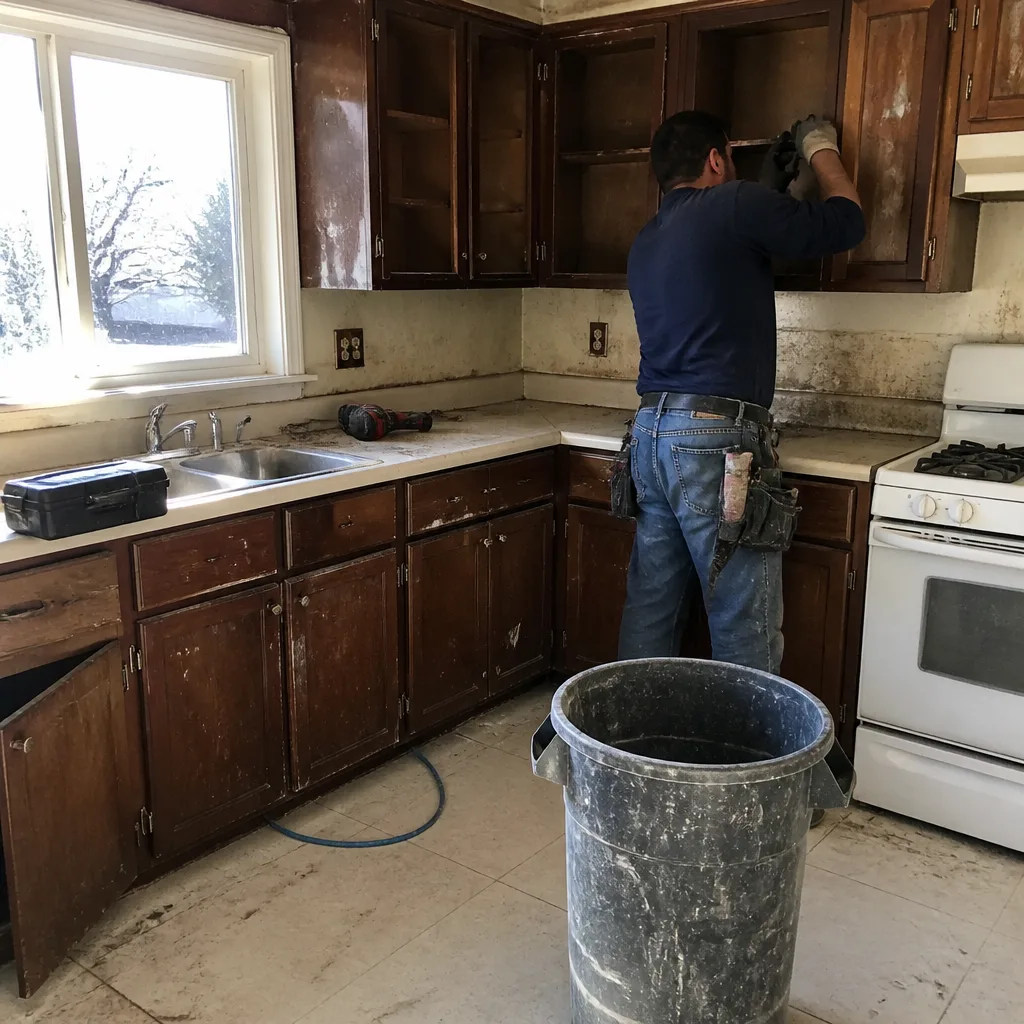 Before
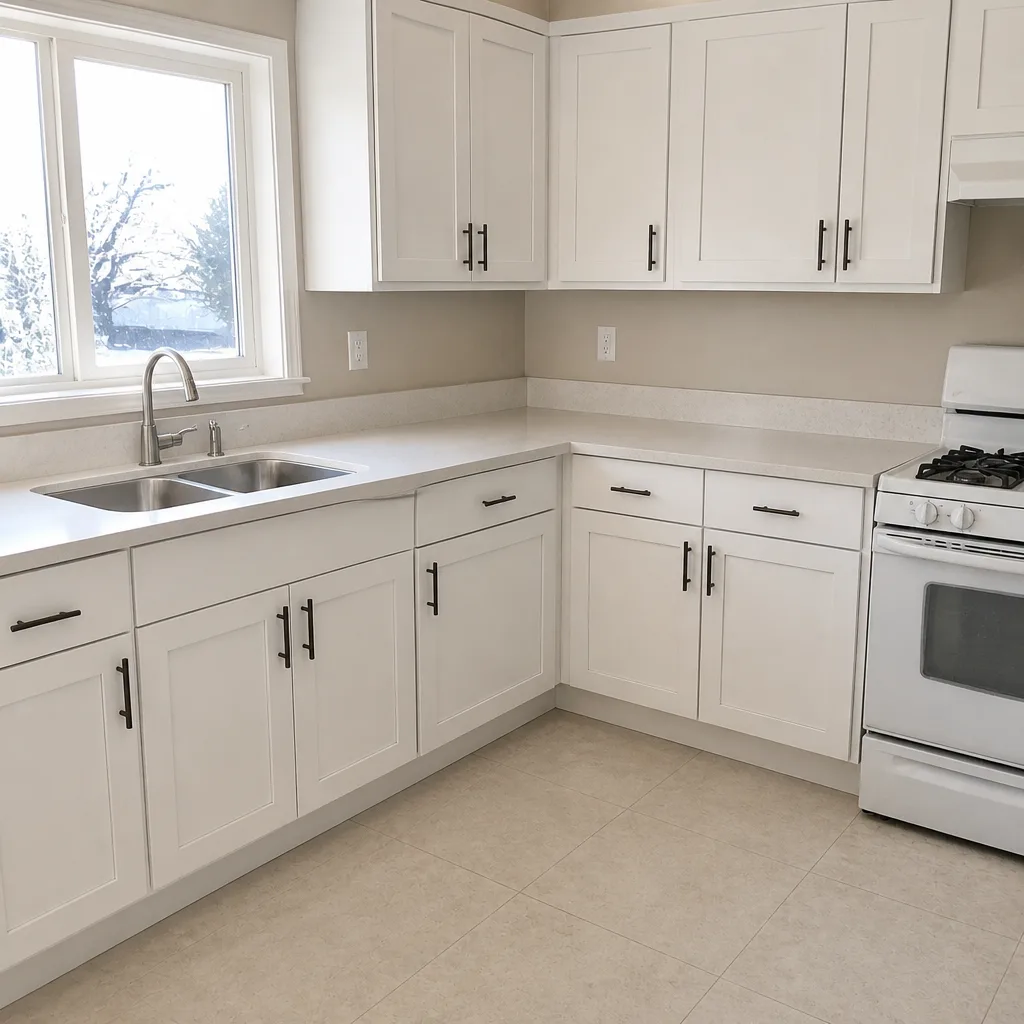 After
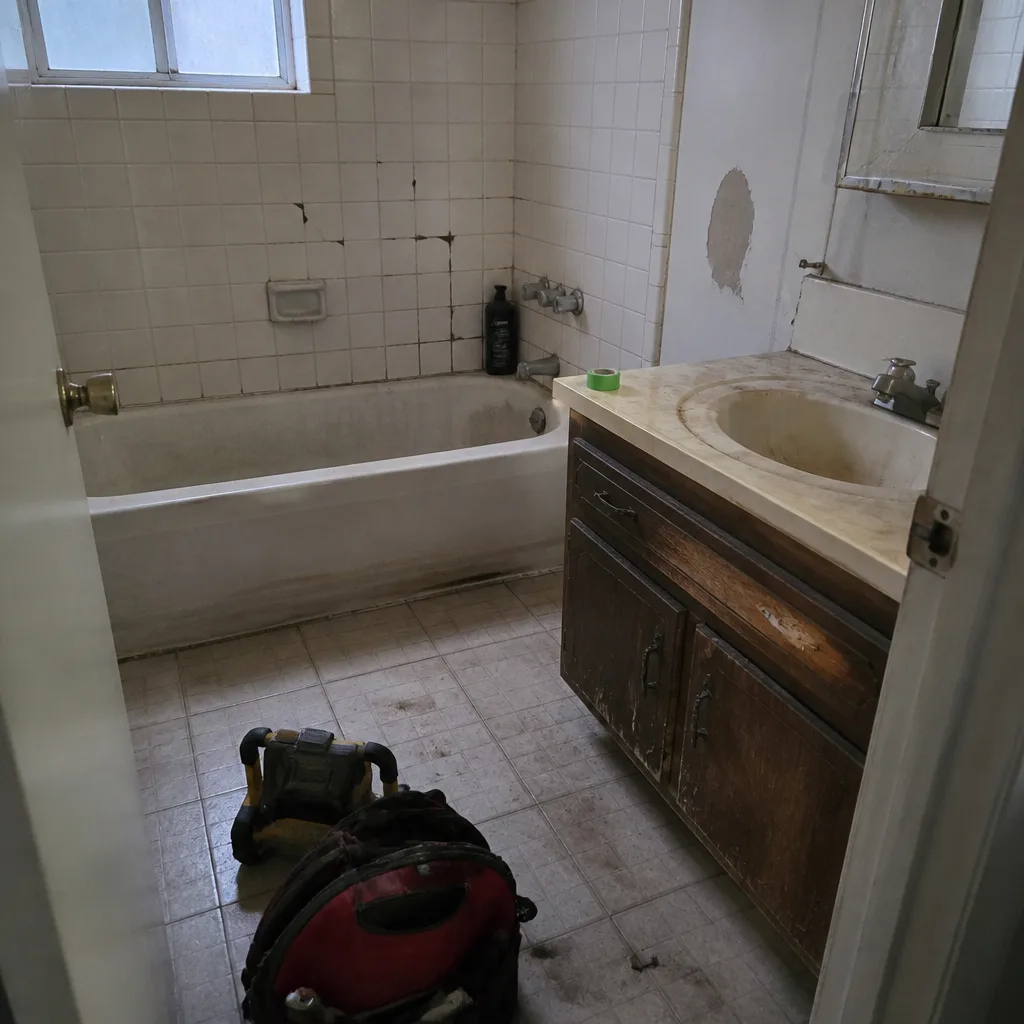 Before
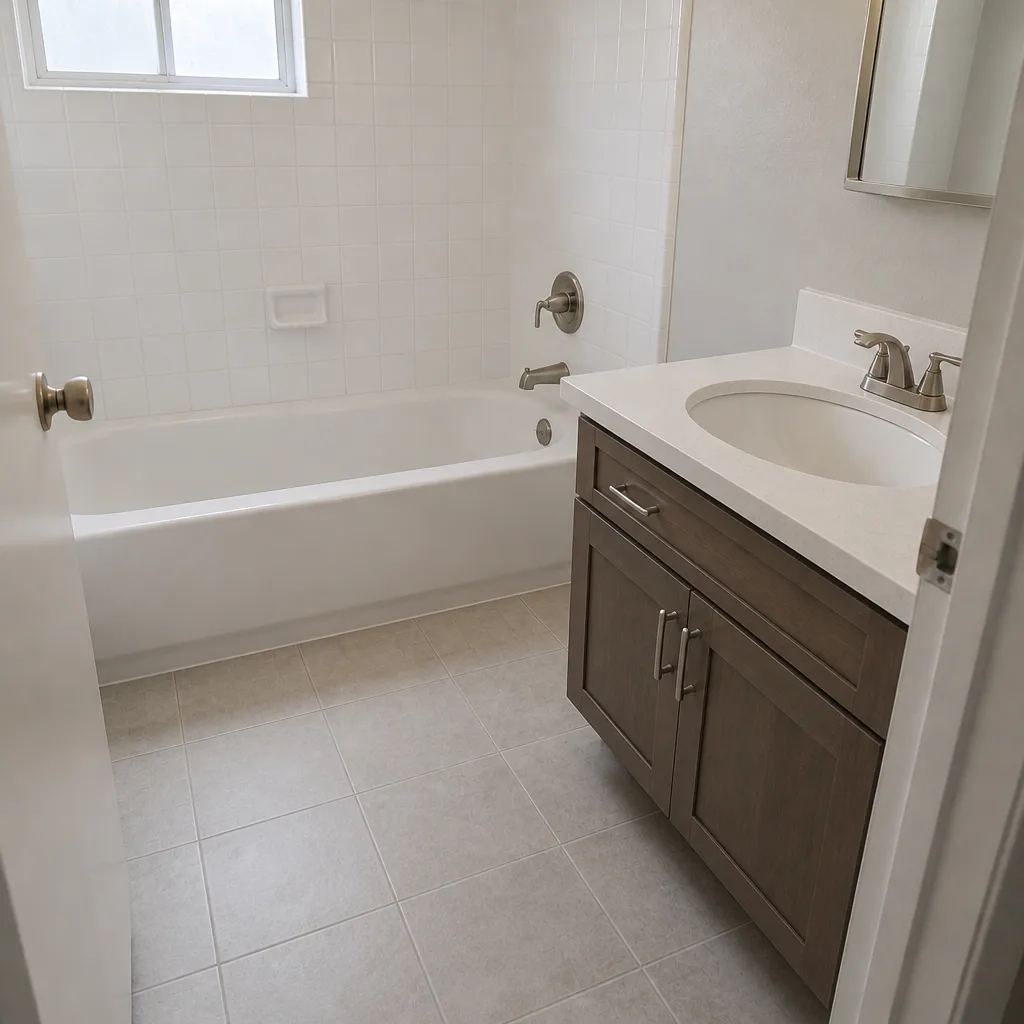 After
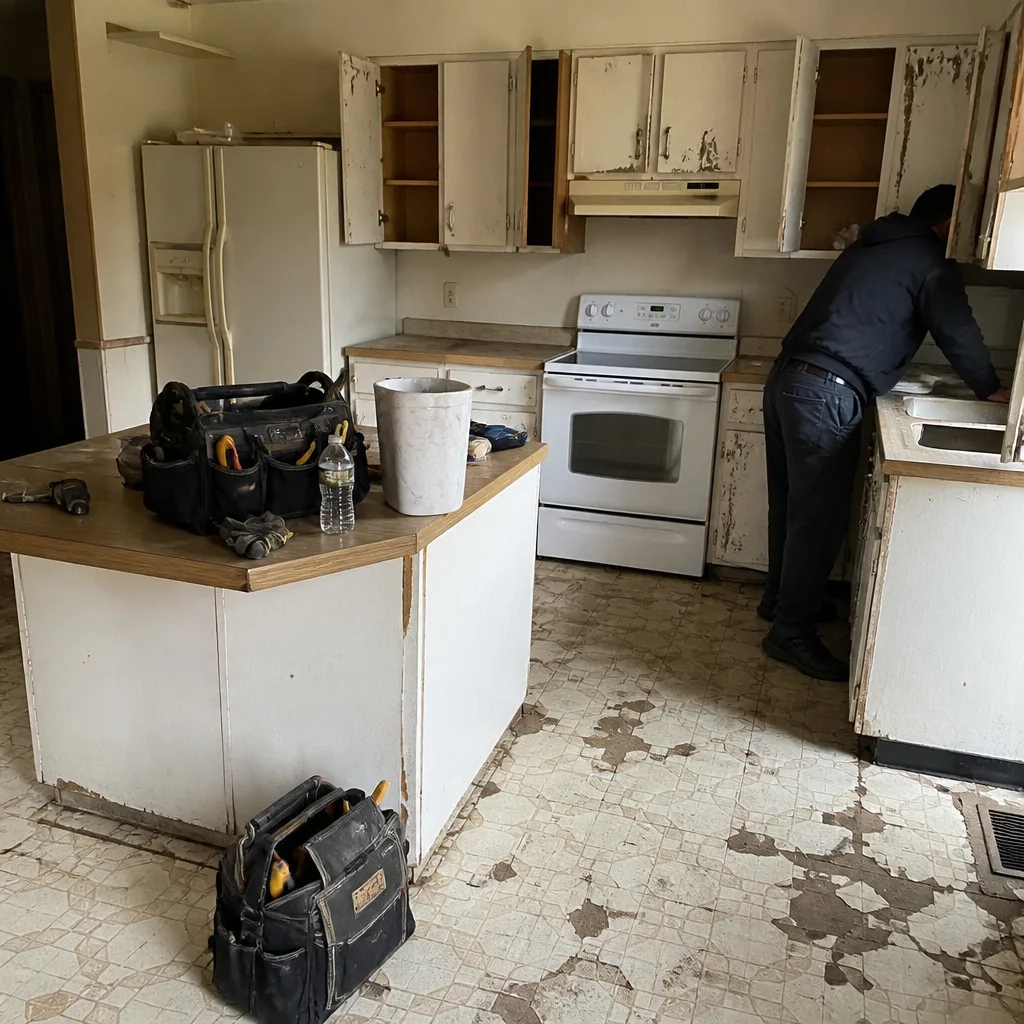 Before
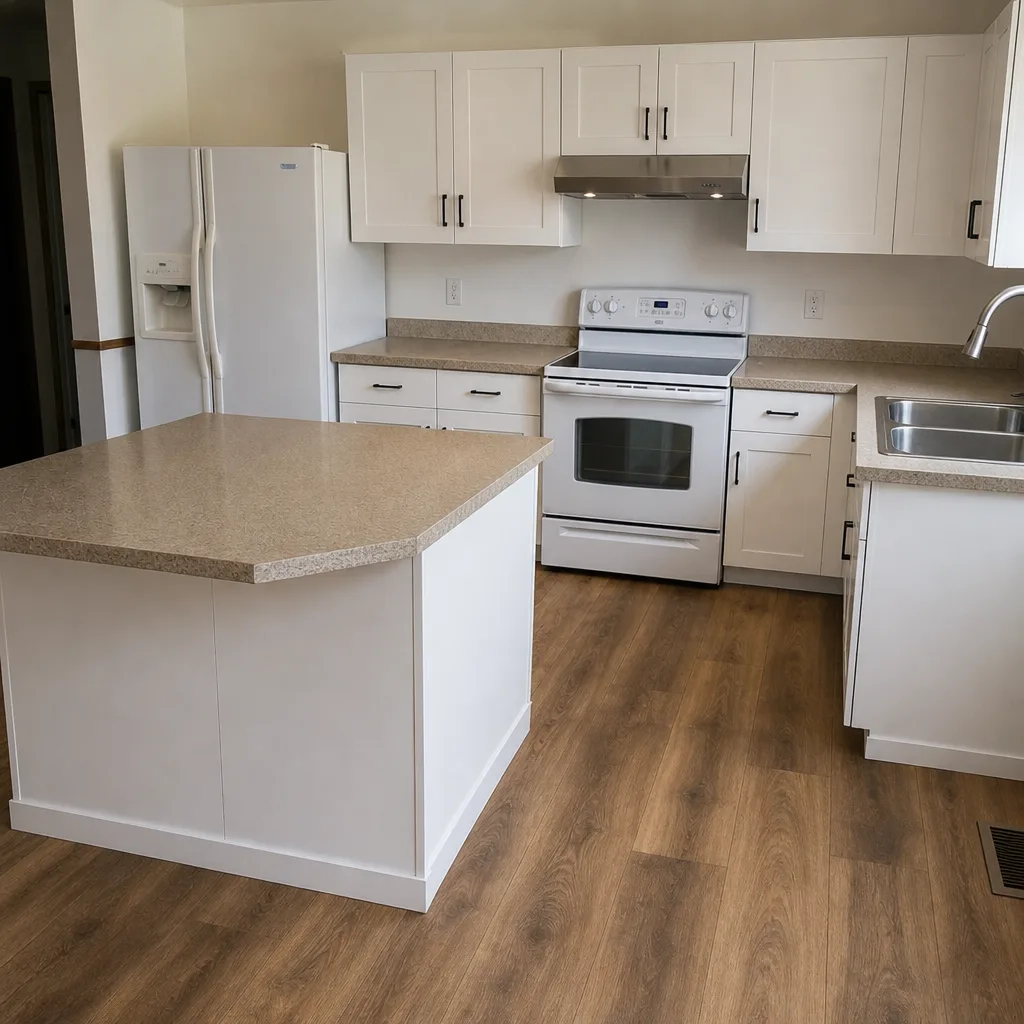 After
When to Call a Professional
Some bathroom work is genuinely a weekend project: swapping a faucet, replacing a toilet, painting. But call a professional when the job involves moving plumbing, relocating a drain, tackling electrical in a wet area, or tearing a room down to the studs. Those scopes need a permit, an inspection, and a plan for what’s behind the tile – and a failed inspection or a leaking shower pan costs far more to fix than the original job. If you’ve discovered rot, a failing shower pan, or plumbing that’s past its life, that’s a call-a-pro moment too.
Penhallow Remodeling Winchester offers free estimates in Winchester – call (844) 797-9439. Every homeowner gets a written price before any work starts, so the number on day one is the number on the invoice. And every project carries the 365-Day Done Right Promise: if it’s not done right, we come back and make it right, in writing.
Frequently Asked Questions
A full gut-and-replace bathroom remodel in Winchester typically takes 4 to 7 weeks from start to finish, while a cosmetic refresh runs 1 to 2 weeks. The biggest variable in the longer range is the permit inspection hold, which can add days or weeks depending on the season. Call (844) 797-9439 for a written timeline for your specific project – estimates are free.
Because most quotes leave out the phases with the most uncertainty – permit inspections and special-order material lead time. The construction crew can be efficient and the project still runs long waiting on an inspector or a tile shipment. A written quote that names each phase and builds in a buffer is more honest than a three-week promise.
Yes, in most cases. Nevada requires permits for plumbing relocations, electrical work in wet areas, and any structural changes, and the work has to pass inspection before tile and fixtures go in. A cosmetic refresh that only swaps finishes may not need one, but a gut-and-replace almost always does. Ask your contractor to confirm what permits are required and to pull them.
A cosmetic refresh typically runs $3,000 to $12,000, while a full gut-and-replace ranges from $18,000 to $45,000 or more depending on size, fixture line, and whether plumbing moves. Special-order tile or a custom vanity pushes the number up. Call (844) 797-9439 for a written, itemized quote – estimates are free and nothing changes once work starts.
Only if it’s a cosmetic refresh with no plumbing or electrical relocation and no permit inspection. A genuine gut-and-replace in Winchester cannot be done in two weeks – the rough-in, inspection hold, waterproofing, and tile work alone consume more than that. Treat a two-week quote for a full remodel as a sign something was left out.
That’s common in older bathrooms, and an honest contractor will stop work, show you what was found, and give you a written price for the repair before proceeding. A contingency of 10 to 15 percent in both time and budget covers it. The 365-Day Done Right Promise means if something fails inside the guarantee period, we come back and fix it at no charge.
The Bottom Line
The total project length is the number everyone asks about and the one that tells you the least. What predicts your experience is whether the contractor puts the phases in writing, builds a buffer for the inspection hold, orders materials before demo, commits to a daily arrival window, and answers the phone when you call. A cosmetic refresh in Winchester runs 1 to 2 weeks; a gut-and-replace runs 4 to 7 weeks, and the difference is almost entirely inspections and lead time. Get those on paper before you sign anything, and the calendar stops being a surprise.
Call (844) 797-9439 for a free estimate. A live person answers 24/7, and every quote is written – price, timeline, and guarantee – before any work starts.
Written by the team at Penhallow Remodeling Winchester.