Last updated November 18, 2026


Free written scope consultation - allowances, timeline, and change-order rules on paper before a single trade is scheduled
DIY vs Professional Bathroom Remodeling: What’s Safe to Do Yourself
You can install beautiful subway tile over a waterproofing membrane that was applied wrong and not know it for 18 months. The tile looks perfect. The substrate underneath doesn’t, and one day the ceiling below the shower starts to stain. That gap between what looks finished and what is actually finished is the whole conversation about DIY bathroom work. We’re Penhallow Remodeling, and we work on bathrooms across Winchester every week, so we’ve seen both the proud homeowner jobs that held up and the ones that quietly rotted a floor. This guide draws a straight line between what’s safe to do yourself and what isn’t.
Quick Answer
Demo, painting, swapping a vanity, and installing accessories like mirrors, towel bars, and a toilet are safe for a motivated homeowner. Wet-area waterproofing, shower pan systems, and drain rough-in are not – those need a licensed installer, and in Nevada most of that plumbing work requires a permit and a licensed plumber. The reason is simple: the waterproofing membrane is the one layer nobody sees, and it’s the layer that decides whether the bathroom lasts five years or twenty-five.
Styles & brands we work with
- Kitchen remodeling
- Bathroom remodeling
- Home additions & ADU
- Roofing
- Windows & doors
- Driveway & pavers
- Fence
Table of Contents
- The Real Reason Bathroom DIY Fails: The Waterproofing Layer
- What’s Genuinely Safe to Do Yourself
- Nevada Plumbing Permits: What You Can Pull and What You Can’t
- How to Split the Job Honestly and Save on Labor
- What DIY Actually Saves vs. What a Pro Costs in Winchester
- Resale and Insurance: What an Unpermitted Rough-In Costs You Later
- Common Mistakes to Avoid
- When to Call a Professional
The Real Reason Bathroom DIY Fails: The Waterproofing Layer
Waterproofing membrane is the thin sheet or liquid coat that sits between your tile and the substrate – the structural layer underneath. In a shower, that membrane has to be continuous across the floor, up the walls to a defined height, and tied into the drain. Not mostly continuous. Continuous. A pinhole, a gap at a corner, a fastener punched through the middle of the sheet, and water finds it.
Here’s what makes this different from every other room in the house. A bad paint job shows up in a week. A bad cabinet hang sags by month two. A bad waterproofing job looks flawless for a year or more while water creeps into the framing, rots the subfloor, and soaks the drywall below. By the time the stain shows on the ceiling of the room beneath the shower, the damage isn’t decorative. It’s structural, and it’s expensive.
In our experience, this is why bathroom DIY fails at a higher rate than kitchen DIY. A kitchen that goes wrong fails visibly and fast. A bathroom that goes wrong fails invisibly and slow. And the failure doesn’t announce itself until you’ve already tiled over it, set the fixtures, and moved back into the room.
Three things consistently trip up homeowners who tackle wet areas on their own:
- Mixing systems. A cement board substrate (the moisture-resistant layer behind your tile) paired with the wrong drain, or a liquid membrane applied over a pre-formed pan, creates seams water can find. Systems are designed to work together.
- Skipping the wall membrane. Tile and grout aren’t waterproof. They never were. If the wall behind the shower has no membrane, every shower sends a little water into the stud cavity.
- Fastening through the membrane. A screw to hold backer board, a nail for a grab bar – one penetration through the membrane and you’ve created a pathway. This is the single most common failure point we correct in Winchester bathrooms.
This is the layer to hire out, even if you do everything else yourself. It’s also the layer a real Bathroom Remodeling in Winchester plan is built around, because it’s what the guarantee ultimately stands behind.
What’s Genuinely Safe to Do Yourself
Plenty. A lot of bathroom work doesn’t touch water, gas, or structural framing, and there’s no reason to pay for it if you’ve got a free weekend and a decent drill. Here’s the honest short list.
- Demo. Pulling old tile, removing a vanity, taking out an old toilet, hauling debris. Wear safety glasses and a respirator, bag the trash and get it out of the house quickly. It’s dusty, unglamorous, and it saves real labor dollars.
- Painting. Walls, ceiling, trim. Use a bathroom-grade semi-gloss or satin to help with moisture. This is the easiest cost savings in the whole project.
- Vanity replacement. If the plumbing stays where it is and the drain and supply lines line up, swapping a vanity for a pre-built one from a major brand is a manageable DIY job. If you’re moving the plumbing, stop and read the permit section below.
- Accessories. Mirrors, towel bars, toilet paper holders, shower curtain rods, hooks, shelves. Straightforward, low-risk, and lets you put the money you save into a better faucet or a nicer vanity top.
- Lighting swaps – with a caveat. Replacing a bathroom light fixture where the box, wiring, and switch already exist is generally DIY-friendly. Adding a new circuit or moving a switch is electrician territory.
- Toilet replacement. Pulling an old toilet and setting a new one is doable for a careful homeowner. The supply line and flange have to be sound. If the flange is cracked or the subfloor is soft around it, that’s a bigger job.
What we’ve seen in Winchester is that homeowners who take on these tasks save $3,000 to $8,000 in labor on a typical mid-size bathroom remodel, and that’s real money they can put into fixtures or a nicer vanity from a recognized line like KraftMaid or Wellborn. The trick is knowing exactly where to put the tool down.
Nevada Plumbing Permits: What You Can Pull and What You Can’t
Here’s where a lot of DIY ambitions hit a wall. Nevada requires a permit for any plumbing work that involves adding, moving, or removing fixtures or supply and drain lines. A licensed plumber pulls a plumbing permit through the local building department. The permit gets inspected, and the inspection is what protects you.
What you can do yourself, in plain terms:
- Cosmetic plumbing swaps. Replacing a faucet, a shower head, a toilet, or a sink on existing supply lines at the existing location is typically allowed without a permit. It’s a repair, not a new installation.
- Fixtures that stay put. If the drain and supply lines don’t move, you’re generally not triggering a plumbing permit.
What requires a licensed plumber in almost every case:
- Moving a drain or supply line. Relocating a shower, a toilet, or a sink on the layout – even by a few inches – is new plumbing rough-in, and it needs a permit and a licensed plumber.
- Adding a new fixture. A second sink, a freestanding tub on a new rough-in, a shower bench drain – all of these are new plumbing and require a permit.
- Shower valve replacement. The shower valve body inside the wall typically requires a licensed plumber because it’s tied into hot and cold supply lines. The trim and handle on the front is swapping – the valve body isn’t.
One important distinction: a homeowner may be able to pull some permits in their own name in Nevada, but plumbing permits specifically require a license holder in nearly every jurisdiction. If you’re ever unsure whether your bathroom project needs a permit, walk into the local building department and ask. It’s a fifteen-minute conversation that could save you a five-figure problem later. And when you’re working with a General Contractor in Winchester, we pull those permits and pass the inspections before we ever close a wall.
How to Split the Job Honestly and Save on Labor
You don’t have to choose between “do it all” and “let someone else do all of it.” The best-value bathroom remodels we’ve built in Winchester are the ones where the homeowner took on the jobs they could safely handle and turned over the ones that require a license or a trained installer. Here’s how the split usually lands.
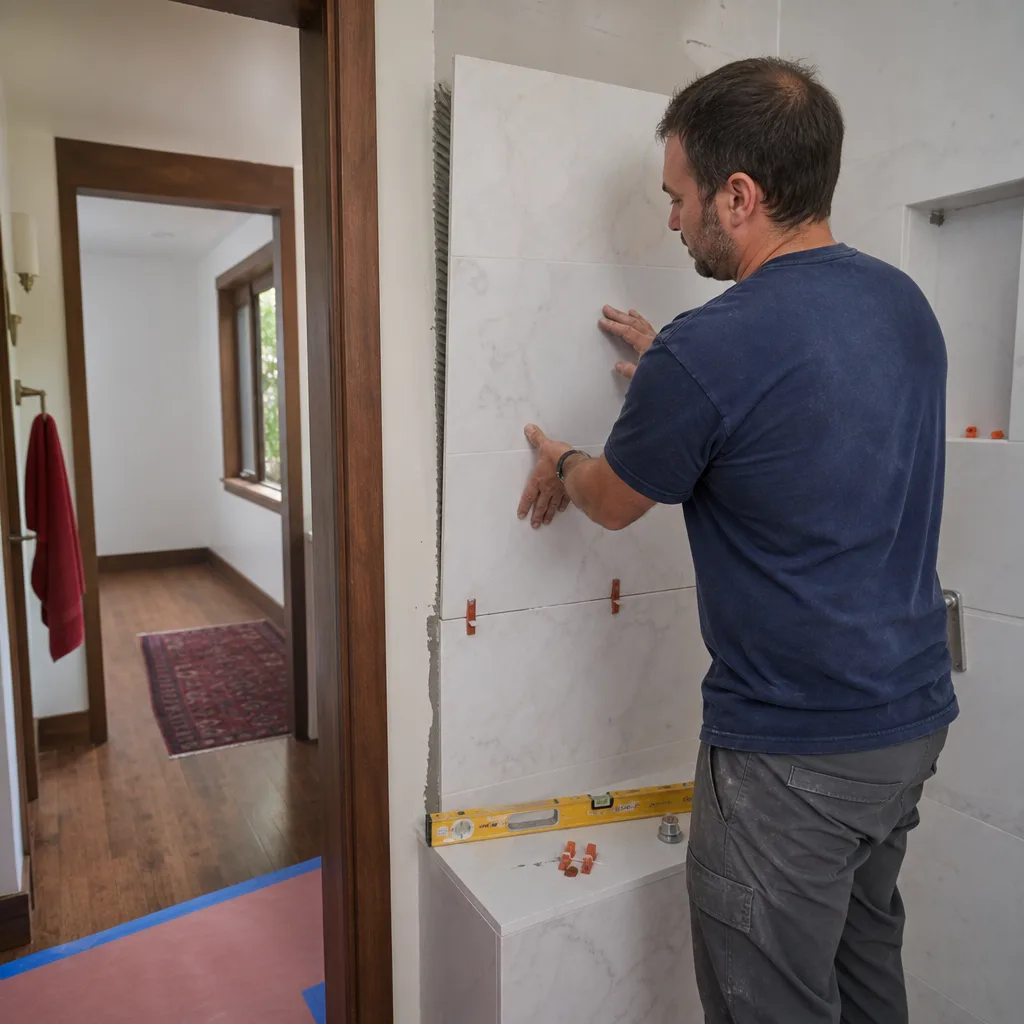
- You handle demo and prep. Tear out the old room, haul the waste, remove trim and doors. Get the space empty and clean before the installer arrives. That’s a full day of labor on a mid-size bath.
- You handle the finish work. Paint, accessories, vanity install (if the plumbing isn’t moving), mirrors, and hardware. These are the “looks done” parts of the room.
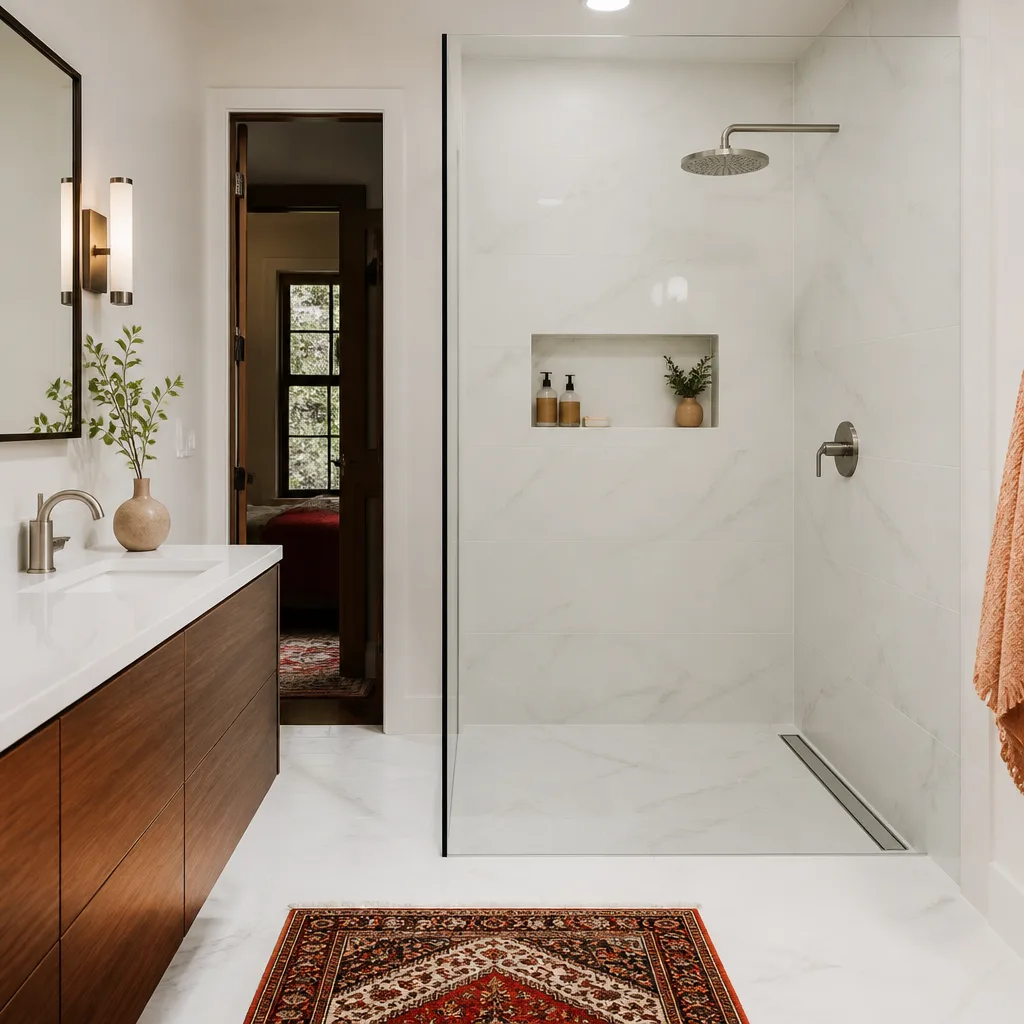
- A licensed installer handles the wet area. Shower pan, membrane, tile in the shower, and the plumbing rough-in. This is where a written guarantee lives or dies, and where most failures start.
- You buy your own materials if you want to save on markup. Some homeowners prefer to select their own tile, fixtures, and vanity from a trade brand, then hand us the specs. Others prefer we source from lines we know and back. Both are fair – just decide up front.
- You decide, we build. The trade word here is “substrate.” It’s just a word for what’s under the finished surface. When the split is honest, the substrate stays sound and the guarantee stays real.
Splitting the job this way typically reduces the labor line on a bathroom remodel by 25 to 35 percent without touching the work that requires a licensed installer. Homeowners who do it well end up with a bathroom that looks finished and is actually finished.
What DIY Actually Saves vs. What a Pro Costs in Winchester
Real numbers make this decision easier. Here’s what we see in Winchester and the surrounding area for a mid-size hall or primary bathroom, based on the work itself rather than a single all-in range:
- Full gut remodel, professional: typically $18,000 to $35,000 depending on layout, tile, vanity line, and shower complexity. A larger primary bath with a freestanding tub and a walk-in shower can run $35,000 to $55,000 or more.
- Cosmetic refresh, professional: new vanity, faucet, toilet, paint, and accessories without moving plumbing runs $6,000 to $12,000.
- Waterproofing and tiled shower only, professional: typically $4,500 to $9,000, including the membrane, pan, drain, and tile labor.
- Demo labor, if you hire it out: $800 to $1,800 on a mid-size bath.
- Plumbing rough-in, permitted: $1,200 to $3,500 depending on what’s moving.
What DIY actually saves: the labor on demo, painting, and accessory installs runs $2,500 to $6,000 on a typical Winchester bathroom, and vanity install adds another $500 to $1,200. What DIY doesn’t reliably save: the shower. A DIY shower that fails and needs to be rebuilt – including the subfloor repair and the ceiling patch below – typically costs more than the shower would have cost if it had been done right the first time. We’ve seen homeowners spend $8,000 to fix a $6,000 shower.
One more thing worth saying plainly: the products you put in matter as much as the labor. A tiled shower built around Kohler or Moen fixtures on a proper substrate carries the fixture’s own warranty alongside ours. That’s two layers of protection instead of one.
Resale and Insurance: What an Unpermitted Rough-In Costs You Later
Here’s what happens when a bathroom rough-in goes in without a permit. It stays hidden until you sell, and then it comes out in the open. A buyer’s home inspector will notice if a shower has been added where it doesn’t match the original drain alignment, or if a vanity has been moved off the original rough-in without plumbing permit paperwork on file. In Clark County, an inspector can check permit history directly. What they find changes the negotiation.
Two paths, and the cost comparison is lopsided:
- Permit correctly the first time: a plumbing permit and inspection on a typical Winchester bathroom remodel runs a few hundred dollars plus inspection scheduling. It’s folded into the project timeline and doesn’t delay closing later. It’s also required for both insurance coverage and the resale disclosure.
- Remediate after the fact: opening the wall, correcting the plumbing, re-inspecting, and rebuilding the shower and tile typically runs $6,000 to $15,000 depending on how deep the problem goes. And that’s before you’ve dealt with a buyer who wants a credit for the unpermitted work they just discovered.
Insurance is the other shoe. If an unpermitted plumbing change causes water damage and your insurer determines the work wasn’t permitted or inspected, the claim can be denied – and water damage claims on bathrooms are among the most common homeowner claims there is. This is one of the reasons we insist on pulling permits on every job: it protects the homeowner long after the crew leaves.
We talk to Winchester homeowners regularly who bought a house with a bathroom someone built red-tag-and-hope, and every one of them wishes the previous owner had done it right. Permits aren’t bureaucracy. They’re the paper trail that makes the bathroom real.
Common Mistakes to Avoid
- Treating tile and grout as the waterproofing. They aren’t. If there’s no membrane behind them, water is going into the wall every time someone showers. This is the number one cause of the bathroom failures we get called to fix in Winchester.
- Not letting the substrate dry before membrane or tile goes down. Moisture trapped under a cement board substrate (the moisture-resistant layer) causes the tile to lift months later. Wait the recommended curing time even when you’re eager to move on.
- Mixing waterproofing systems. A liquid membrane with a pre-formed pan from a different manufacturer often doesn’t seal correctly at the drain. Pick one system and follow it exactly. This is where brand crossovers quietly fail.
- Skipping the plumbing permit to save a few hundred dollars. It saves nothing on resale, and it can void a water damage claim. The permit is the cheapest insurance on the project.
- Fastening through the membrane. A grab bar installed after the tile goes up often means a screw through the waterproofing. Anchor into blocking installed before the tile, not after.
- Underestimating the subfloor. In Winchester’s climate, we regularly see subfloor softness around toilets and shower drains from slow leaks that went undetected for years. Fix the substrate before you cover it with anything.
- Ordering tile before the layout is confirmed. Tile quantities shift when the layout shifts – especially with a mosaic feature wall or a niche. Order after the plan is set and add 10 percent for cuts and breakage.
If you take one thing away from this list, it’s the fastening rule and the membrane rule. Those two account for more premature bathroom failures than anything else, and both are almost impossible to spot once the tile is up. A Kitchen Remodeling in Winchester project gives you more room to learn from a mistake. A bathroom doesn’t.
When to Call a Professional
Call a professional when the work touches water, gas, electrical, structural framing, or the waterproofing layer – full stop. That’s the shower pan, the shower valve, the drain rough-in, any new plumbing line, any structural opening in a load-bearing wall, and any subfloor that’s soft or rotted. If your bathroom has a slow drain, a persistent musty smell, or a soft spot around the toilet base, that’s a hidden-water problem that needs a trained eye before anything gets torn out. And if the tile looks fine but you’re seeing a stain on the ceiling below the bathroom, don’t paint over it – that’s the exact moment to call.
We’ve also never met a homeowner who regretted hiring out the shower. We’ve met plenty who regretted not doing it. Penhallow Remodeling Winchester offers free estimates in Winchester – call (844) 797-9439 to schedule yours, and you’ll have a written price before anything is touched.
See the difference
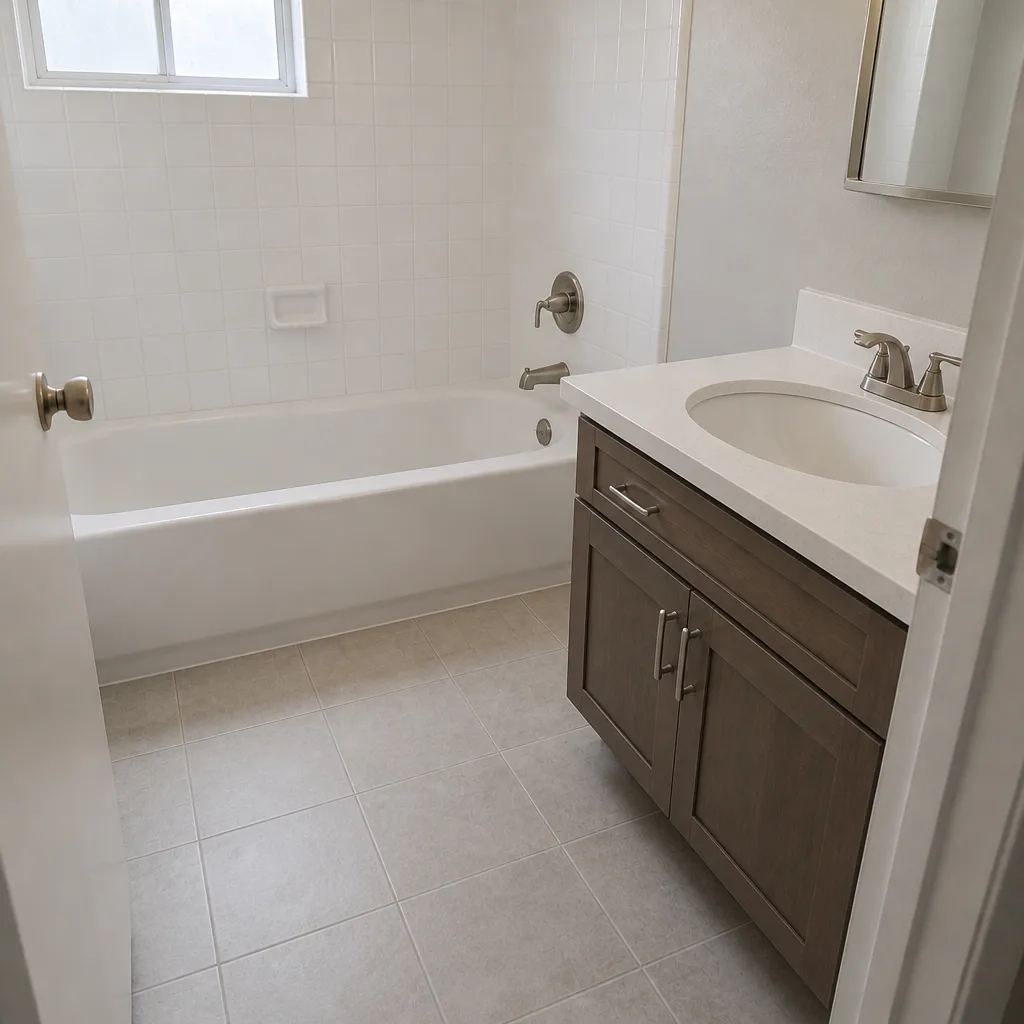
 Before
 After
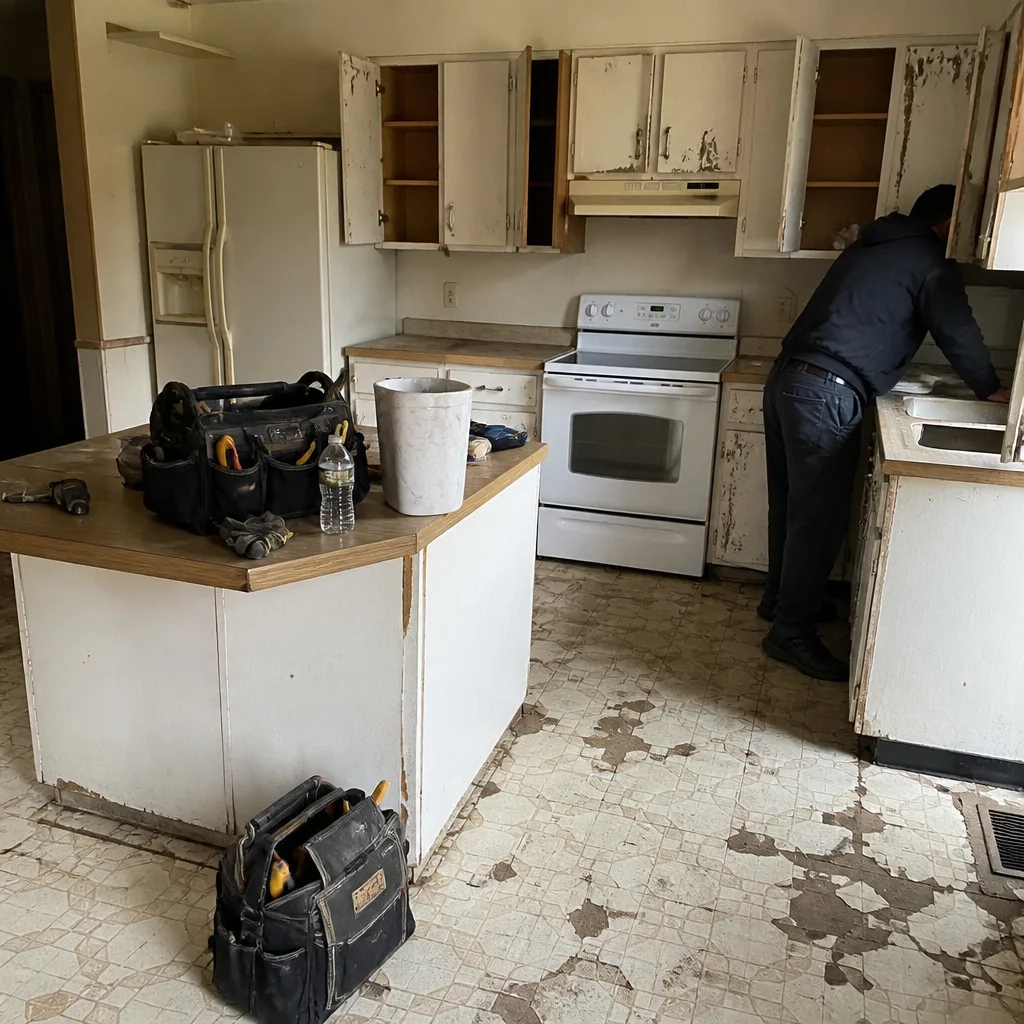
 Before
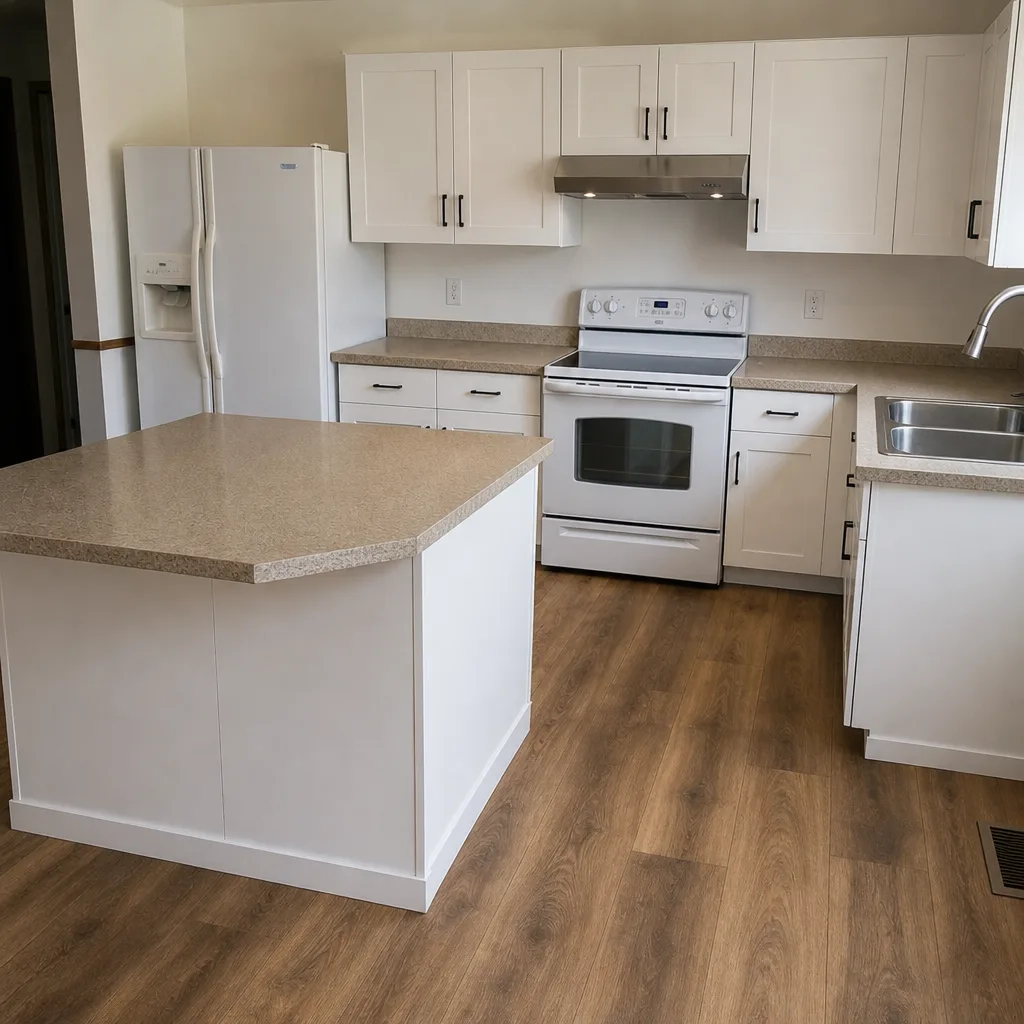
 After
 Before
 After
Frequently Asked Questions
Yes, for cosmetic work: demo, painting, vanity swaps, and accessory installs are all fair game for a homeowner in Nevada. Anything that touches the plumbing rough-in – moving a drain, adding a fixture, replacing a shower valve – requires a licensed plumber and a permit, and the shower waterproofing should be handled by a trained installer regardless. Call (844) 797-9439 if you’re not sure which side of the line your project sits on.
Usually no. Replacing a faucet at an existing location on existing supply lines is a swap, not new plumbing, and generally doesn’t require a permit. Moving a supply line or drain does. When in doubt, ask the building department before you start – the conversation is free, and the alternative is not.
Because the waterproofing layer is hidden and the failure is slow. A shower built without a continuous membrane, or with a membrane that’s been penetrated during installation, looks perfect for a year or more while water quietly rots the subfloor and framing. By the time you notice the stain below, the repair is structural, not cosmetic.
Yes, on the right tasks. Demo, painting, and accessory installs typically save $2,500 to $6,000 in labor on a mid-size Winchester bathroom, and a vanity swap adds another $500 to $1,200. What DIY won’t reliably save is the shower, because a failed DIY shower costs more to rebuild than it would have cost to install correctly. Call (844) 797-9439 for a written price on the parts you don’t want to touch.
The buyer’s inspector finds it. In Clark County, permit history is checkable, and an unpermitted rough-in typically shows up as a remediation credit or a delayed closing. Correcting it after the fact – opening the wall, fixing the plumbing, re-inspecting, and rebuilding the shower – typically runs $6,000 to $15,000, well beyond what the original permit would have cost.
Yes, and it’s one of the smartest splits we see. A licensed installer handles the membrane, pan, and drain – the part that’s invisible and decides the failure point – and you handle the tile setting and grouting on top. You save tile labor and keep the guarantee on the part that matters. Call (844) 797-9439 to talk through the split.
The Bottom Line
Bathroom DIY isn’t a skill question first. It’s a waterproofing question. Take on the demo, the paint, the vanity, the accessories – the work that’s visible, manageable, and forgiving if it goes slightly wrong. Leave the membrane, the shower pan, and the plumbing rough-in to a licensed installer and a permitted project, because that’s where the invisible failures hide and where the cost of a redo dwarfs the cost of doing it right. Anyone can install tile. Not everyone knows what’s happening under it. When it’s time to hand off the parts you shouldn’t touch, Penhallow Remodeling Winchester home and our team are here to talk it through and give you a written price up front.
Call (844) 797-9439 to schedule your free estimate in Winchester. Every project comes with our 365-Day Done Right Promise in writing – if the work fails inside the year, we come back and fix it at no charge. A live person answers the phone 24/7, and the technicians at your door are background-checked and arrive in uniform.
Written by the team at Penhallow Remodeling Winchester.