
Last updated November 18, 2026








Free written scope consultation - allowances, timeline, and change-order rules on paper before a single trade is scheduled
General Contractor Maintenance Checklist for Winchester Homeowners
The single most expensive call a Winchester contractor gets isn’t from a burst pipe or a collapsed roof. It’s from a homeowner who ignored a weeping caulk joint at a window sill for two summers and is now looking at $6,000 in drywall and framing repair. Desert heat doesn’t announce itself. It works slowly on the five or six spots every Winchester house has in common, and by the time you see the damage, it’s already behind the wall. This guide is built backward from the failure points we actually find when we open walls, pull cabinets and re-tile floors in Winchester homes. You’ll learn what to check, when to check it, and how to log it so any contractor can give you a real written number instead of a discovery-based surprise.
Quick Answer
A Winchester maintenance checklist should focus on the failure points that desert heat and slab-on-grade construction attack first: window and door caulk joints, tile grout lines, attic ventilation, exterior siding seams, and the transition where your slab meets exterior walls. Inspect these five spots twice a year, log what you find in writing, and fix small failures before they reach the framing. Homes in Winchester fail differently than homes in humid climates, so the generic spring-and-fall calendar most checklists use will miss the timing that matters here.
Styles & brands we work with
- Kitchen remodeling
- Bathroom remodeling
- Home additions & ADU
- Roofing
- Windows & doors
- Driveway & pavers
- Fence
Table of Contents
- The Five Spots Desert Heat Attacks First
- Grout and Caulk Protocol for Slab-on-Grade Homes
- HVAC and Attic Ventilation Timing for Winchester
- What to Log in Writing After Every Inspection
- Maintenance Tasks That Void Manufacturer Warranties
- Exterior Envelope: Siding, Roof and Windows
- Interior Systems: Cabinets, Counters and Fixtures
- A Winchester Seasonal Calendar That Actually Fits
The Five Spots Desert Heat Attacks First
Winchester’s dry heat and wide day-to-night temperature swing do specific things to a house. Materials expand and contract more than they do in milder climates, and the sealants holding your envelope together take that movement on every joint. These are the five spots we see fail first, and each one takes about ten minutes to inspect.
- Window and door caulk joints. Run a finger along the exterior caulk at every window sill and door threshold. Any caulk that’s cracked, pulling away, or feels hard instead of rubbery is already letting water in during the rare but intense Winchester rain events. Look for the staining that tells you it’s been happening a while.
- Tile grout lines on slab floors. Hairline cracks in grout over a concrete slab are normal movement, not a disaster. But grout that’s crumbling, or tile that sounds hollow when you tap it, means water is getting under the surface. Check the grout in the highest-traffic path first.
- Attic ventilation. Look for rusted nails poking through the roof deck, curled shingles, or a hot attic smell. Those are signs your intake and exhaust vents aren’t moving air the way they should.
- Siding seams and penetrations. Every hose bib, dryer vent, and light fixture is a hole in your siding. Check the sealant around each one. James Hardie siding holds up well in this climate, but the caulk around it doesn’t last forever.
- The slab-to-wall transition. This is the base of your exterior walls where they meet the foundation. Look for efflorescence (the white powdery staining that means moisture is moving through), separation, or cracks that have widened since last year.
If any of these look wrong, a general contractor in Winchester can tell you whether it’s a $200 caulk-and-seal job or something that needs to be opened up. The difference is almost always how long it’s been failing.
Grout and Caulk Protocol for Slab-on-Grade Homes
Most Winchester homes sit on slab-on-grade construction, meaning the concrete floor is poured directly on the ground with no crawlspace or basement. That single fact changes how you should maintain tile and sealant. A slab moves. It expands in summer heat and contracts at night, and every grout line and caulk joint on that slab takes the movement. In humid climates, grout failure is usually about moisture from below. In Winchester, it’s mostly about thermal movement and the dry air pulling water out of sealants until they harden and crack.
Here’s the inspection protocol we recommend for any home with tile floors on slab:
- Walk the floor barefoot or in socks. You’ll feel hollow spots and raised edges that eyes miss. Mark them with painter’s tape.
- Check grout with a plastic card. Drag the edge of an old credit card along the grout lines. If it catches or crumbles, that line is failing.
- Look at the caulk at tubs, showers and counter-to-wall joints. Caulk should feel soft and pliable. If it’s cracked or peeling, it’s no longer waterproof.
- Test for moisture at exterior doors. If a door threshold or the tile just inside it feels damp after rain, the exterior seal has failed and water is tracking under the tile.
Regrouting and recaulking are cheap. Replacing a tile floor because water got under it and the thinset let go is not. When a floor does need to come up, that’s when homeowners tend to look at bathroom remodeling in Winchester or a kitchen refresh, because the floor is already open and the work is already being done. Better to catch the caulk joint first.
HVAC and Attic Ventilation Timing for Winchester
Most maintenance guides tell you to check your HVAC and attic in spring and fall. That advice was written for humid climates where the seasons are gentle and moisture is the main enemy. Winchester is different. Our hottest weeks come in mid-summer, and the shoulder seasons (roughly March through May and September through October) are when the temperature swing is widest and materials move the most. That’s when you want to be up in the attic and looking at your HVAC, not in the middle of a 110-degree week when you can’t safely be up there.
Time these two checks to the shoulder seasons:
- Attic first, in the morning. Check that your intake vents at the soffit aren’t blocked by insulation, that exhaust vents at the ridge or roof are clear, and that there’s no daylight showing through the roof deck. Look for rusted nails, which point to condensation that shouldn’t be there.
- HVAC filter and drain line. Replace the filter before the first heat wave, not during it. Check the condensate drain line for algae and clogs. In dry climates, that drain line is easy to forget and expensive to ignore.
- Look at roof shingles from the ground. Curling or missing shingles on the south and west facing slopes usually mean the roof is taking more heat than the ventilation can handle. Owens Corning and IKO shingles both carry warranties that depend on proper attic ventilation, so this check protects more than your comfort.
If your attic runs hot and your shingles are aging faster than they should, it’s worth having the ventilation evaluated before you spend money on a re-roof. Call (844) 797-9439 to schedule a free estimate and get a written opinion on what’s actually failing.
What to Log in Writing After Every Inspection
The single best habit you can build as a Winchester homeowner costs nothing: keep a written log of every inspection. Why? Because a contractor walking into a house with a written history can give you an accurate written price. A contractor walking into a house with nothing has to build in contingency for what they might find behind the wall. That contingency is real money, and you pay for it whether or not the problem exists.
Here’s what to record each time you do a walkthrough:
- Date and location of each item. “April 12, master bath grout, south wall” is useful. “Checked bathroom” is not.
- A photo and a short description. Cracked caulk at the window sill, 4 inches long, getting worse since last fall. That’s a log entry a contractor can act on.
- What you did about it. Whether you caulked it, called someone, or decided to watch it.
- Who worked on it and what they guaranteed. If someone regrouted a section, note the date and whether they offered any written guarantee.
That log is also how you make a warranty claim later. If a manufacturer asks when the failure started, you have a date. If a contractor wants to argue that a problem appeared after their work, you have a record. It’s the closest thing to an insurance policy on your own memory.
Maintenance Tasks That Void Manufacturer Warranties
This is the part of a maintenance checklist almost nobody talks about, and it’s the one that costs homeowners the most when they discover it after the fact. Manufacturer warranties on cabinetry, countertops, siding and roofing usually have maintenance conditions built into the fine print. Skip the maintenance and the brand can decline a claim, even on a product that was clearly defective.
Here are the conditions we see homeowners trip over most often:
- Countertop sealers and cleaners. Natural stone countertops need resealing on a schedule. Cambria quartz, Silestone and Caesarstone are engineered surfaces with their own care requirements; using the wrong cleaner or skipping the cleaning schedule can affect coverage. Verify your specific material’s care guide before you call for warranty work.
- Cabinet finish maintenance. KraftMaid and Wellborn both publish care requirements for their finishes. Standing water or abrasive cleaners near the sink base can affect a finish warranty claim.
- Siding sealant. James Hardie siding warranties depend on proper installation and continued sealing at penetrations. If you let a hose bib seal fail for two years, that’s not a siding defect, and the claim may be declined.
- Roof ventilation. Shingle warranties from major manufacturers including Owens Corning, Atlas and Tamko often require attic ventilation within certain limits. An under-ventilated attic can void a shingle claim even when the shingles themselves failed.
Before you call for warranty work, find the maintenance section of your product manual and confirm you’ve done what it asks. If you’re not sure, call (844) 797-9439 for a free estimate and a written evaluation of whether the failure is a maintenance issue or a genuine product failure.
Exterior Envelope: Siding, Roof and Windows
The exterior of a Winchester home takes the full punch of desert sun. UV exposure breaks down caulk three times faster here than it does in cooler, wetter climates, and the temperature swing means every joint on the envelope is moving daily. That’s why exterior maintenance in Winchester should be on a shorter cycle than the “every three to five years” advice you’ll find in most guides. We’d suggest a full exterior walk twice a year and resealing any joint that feels hard or cracked.
Here’s how to walk the exterior:
- Start at the ground and look up. Check the slab-to-wall transition first. Then walk the perimeter and look at the bottom two feet of siding, where splash and sun damage hit hardest.
- Check every penetration. Every hose bib, dryer vent, light fixture and window has sealant around it. Run a finger along the top edge of each one. If the caulk is hard or separated, it needs to be cut out and redone, not just topped with new caulk.
- Check the roof from the ground. Curled shingles, missing granules, or granules collecting at the bottom of downspouts are all signs the shingles are aging. Note the location so a roofer can price it accurately.
- Check window frames and sills. Look for wood that’s soft to a thumbnail, paint that’s peeling back from the sill, or water staining inside the frame. Soft wood means water got in a while ago.
When siding does need replacing, James Hardie fiber cement is what we’d install, and the choice is worth talking through with a Penhallow Remodeling Winchester home professional so the sealant details match the material.
Interior Systems: Cabinets, Counters and Fixtures
Interior maintenance in a desert climate has less to do with moisture and more to do with the dry air pulling everything apart. Cabinet doors warp, caulk at sinks dries out, and GFRC or quartz counters on poorly supported cabinets can crack. The inspections you do inside should be quick, but they should be routine.
- Open every cabinet under sinks once a month. Look for staining on the cabinet floor or soft wood at the base. A slow supply line leak can run for months before it shows up as a puddle.
- Check the caulk around every sink and faucet. Kohler and Moen fixtures hold up well, but the caulk seal around the base does not last forever. If it feels dry or cracked, cut it out and redo it.
- Look at cabinet door alignment. Doors that have shifted out of square usually mean the frame has moved or the hinges need adjustment. Adjust them before the finish gets damaged from doors swinging wrong.
- Check under the dishwasher and fridge. Pull them out once a year and look for water staining or drip marks on the floor. A slow leak under an appliance is one of the most common $4,000 discoveries we see.
If a kitchen or bathroom is past the maintenance stage and into the replacement stage, a kitchen remodeling in Winchester conversation will save you from spending money twice.
A Winchester Seasonal Calendar That Actually Fits
Forget the standard “spring and fall” schedule. Winchester’s climate calls for four specific checkpoints through the year. Here’s what we recommend:
- Early March. Inspect exterior caulk and siding seams after the winter swing. Reseal anything that cracked.
- Late April or early May. Attic and HVAC check, before the first heat wave. Replace filter, clear the drain line, inspect ventilation.
- September. Full interior check. Grout, caulk, under-sink leaks, appliance bases. Log it all.
- Late October. Exterior walk again, plus a roof check from the ground. Note anything on the south and west facing slopes before winter.
That’s four walkthroughs a year, each taking under an hour. Keep a written log for each one, and you’ll have a maintenance record most homeowners don’t have when they need one.
Common Mistakes to Avoid
- Caulking over failed caulk. New caulk doesn’t stick to old, hardened caulk. If you’re going to fix a joint, cut the old sealant out first, or it’ll fail again inside a year.
- Using the wrong caulk for the job. Painter’s caulk is not exterior sealant. Use a proper exterior elastomeric sealant where thermal movement is expected.
- Skipping the under-sink inspection. Most slow leaks in Winchester homes start under a sink and run for months before anyone notices. A monthly look saves thousands.
- Assuming the roof is fine because you can’t see it from the ground. You can see most of what matters (curled shingles, missing granules, staining at the chimney) from the ground with a decent set of eyes and a photo.
- Letting a small grout crack sit. Hairline cracks are fine, but a crack you can fit a fingernail into is letting water under the tile. Regrouting is cheap; re-tiling isn’t.
- Ignoring manufacturer care guides. If you don’t know what the manual says for your cabinets, counters or siding, you don’t actually know what your warranty requires. Read it before you call for warranty work.
- Not writing anything down. A verbal memory of “the grout looked a little worse this year” doesn’t help when a contractor asks how long it’s been failing. Keep a log.
See the difference
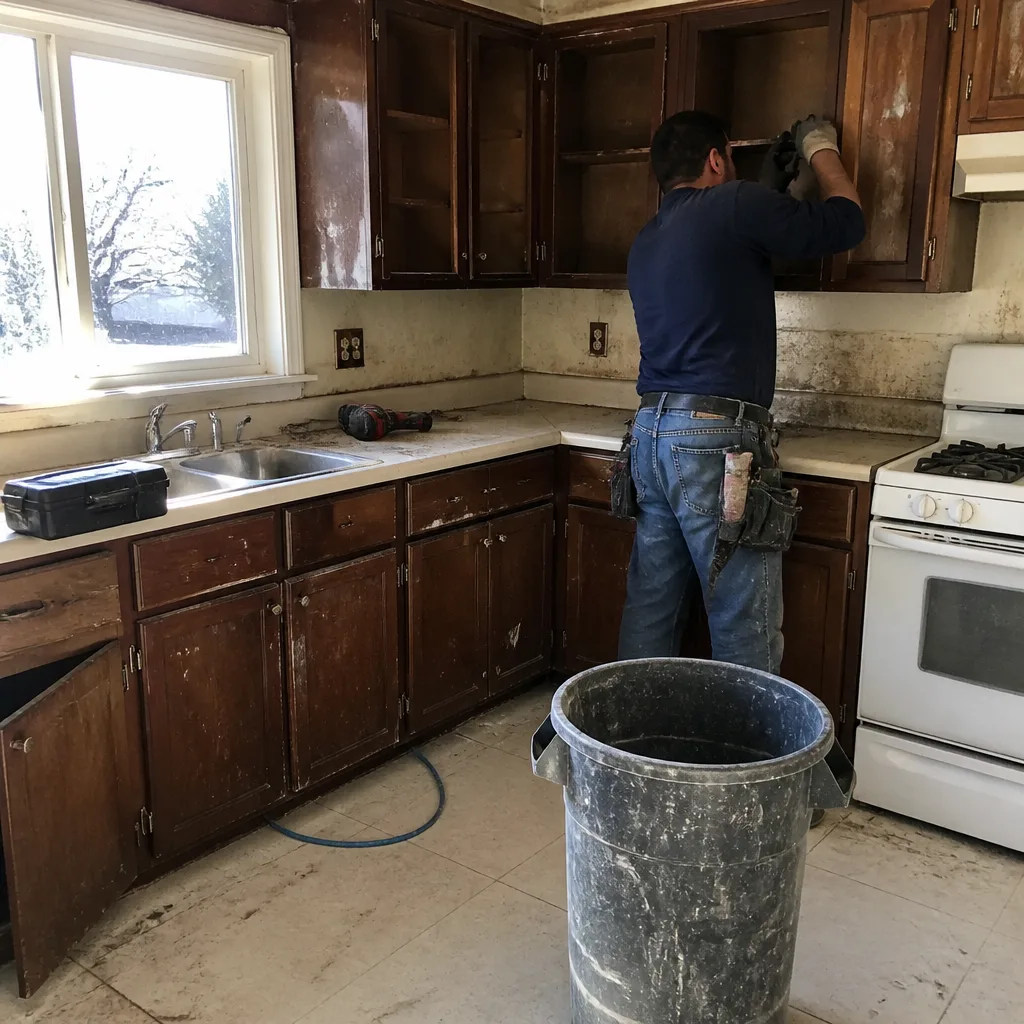 Before
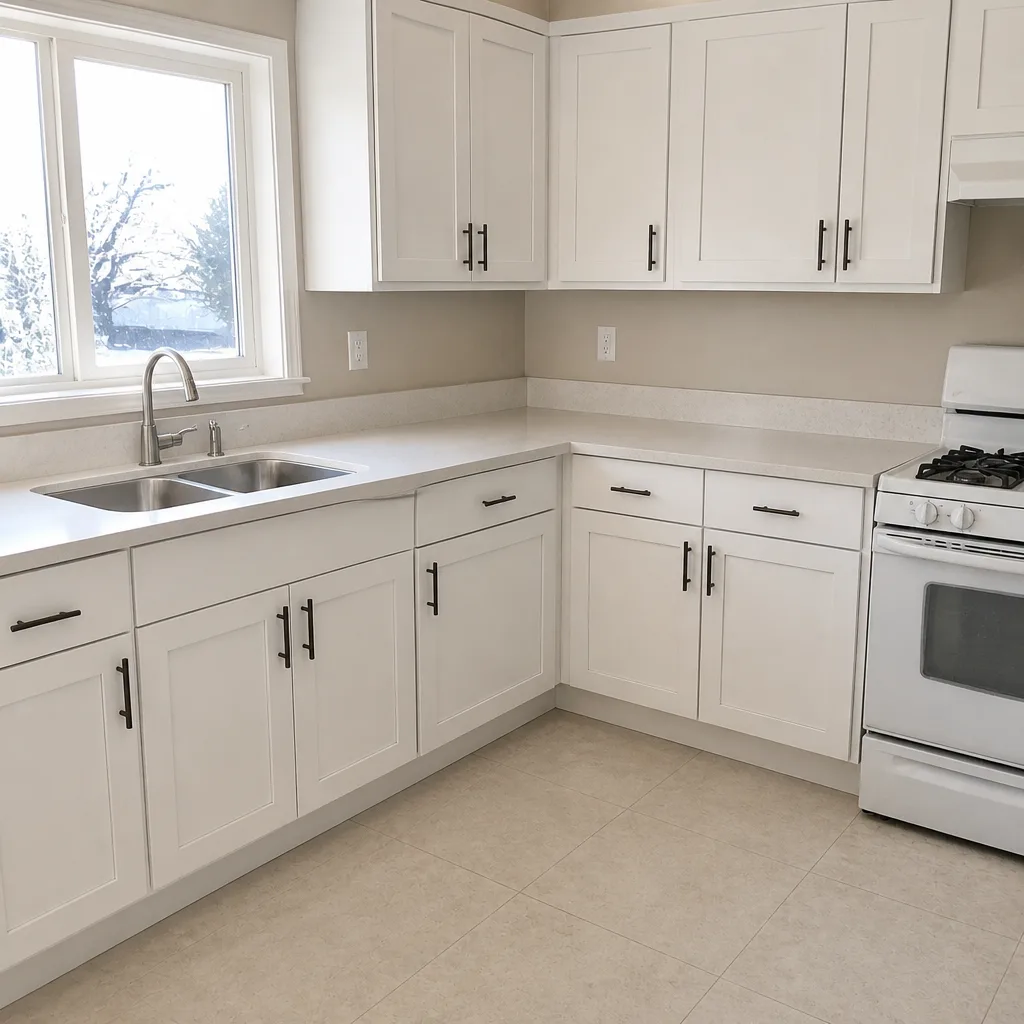 After
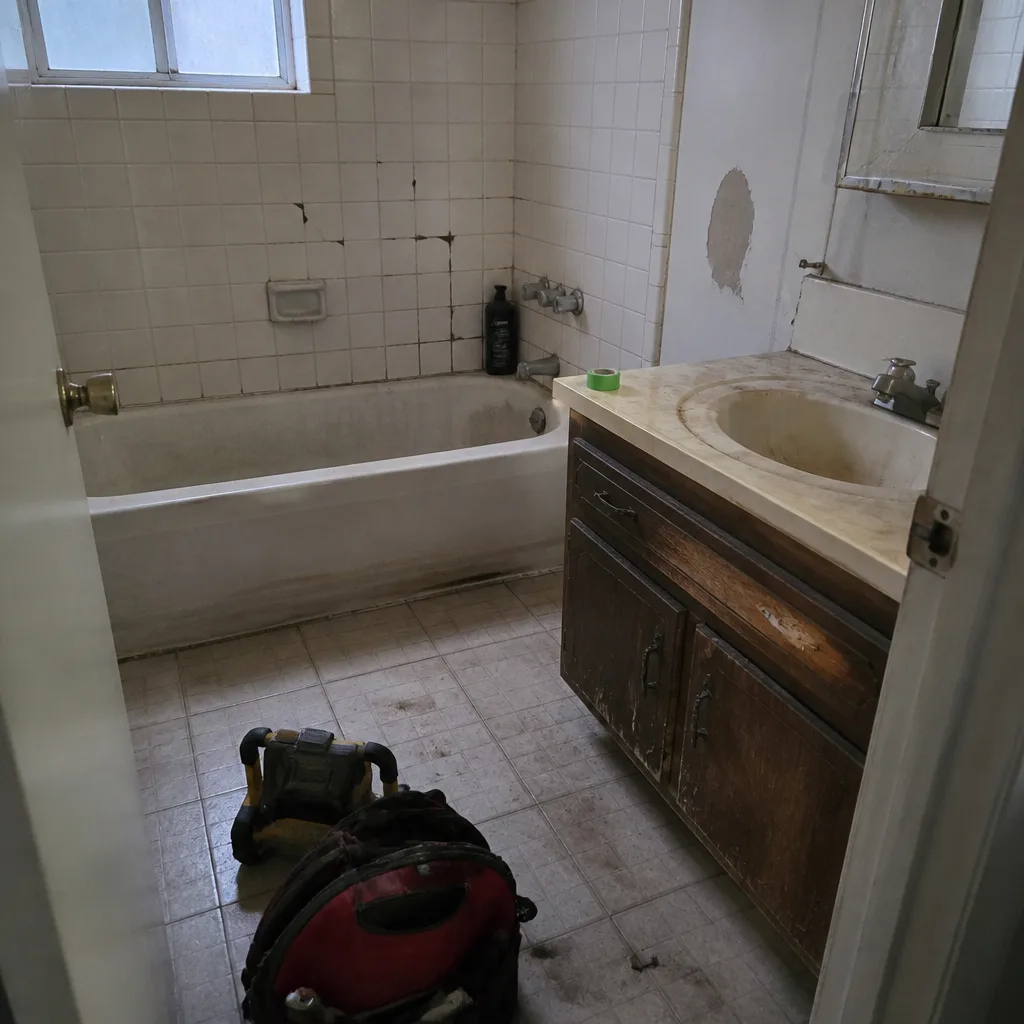 Before
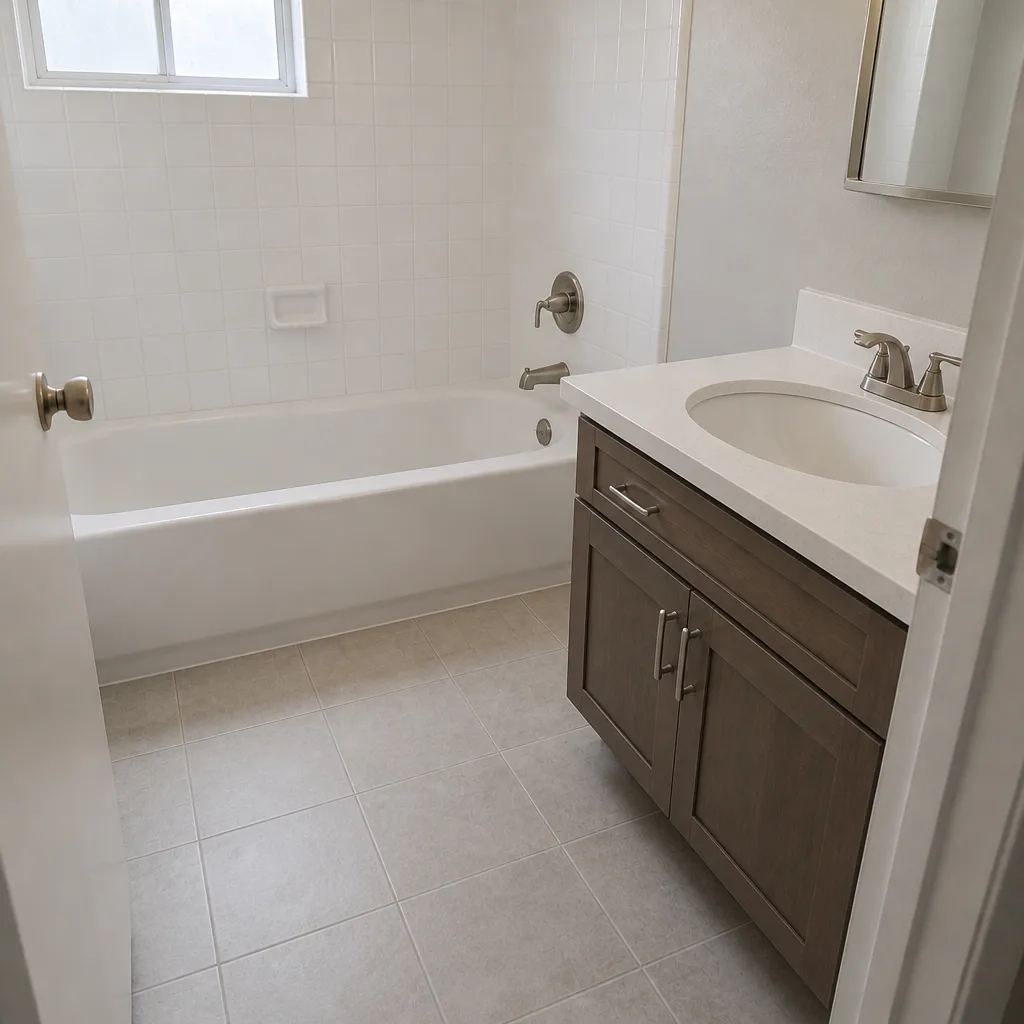 After
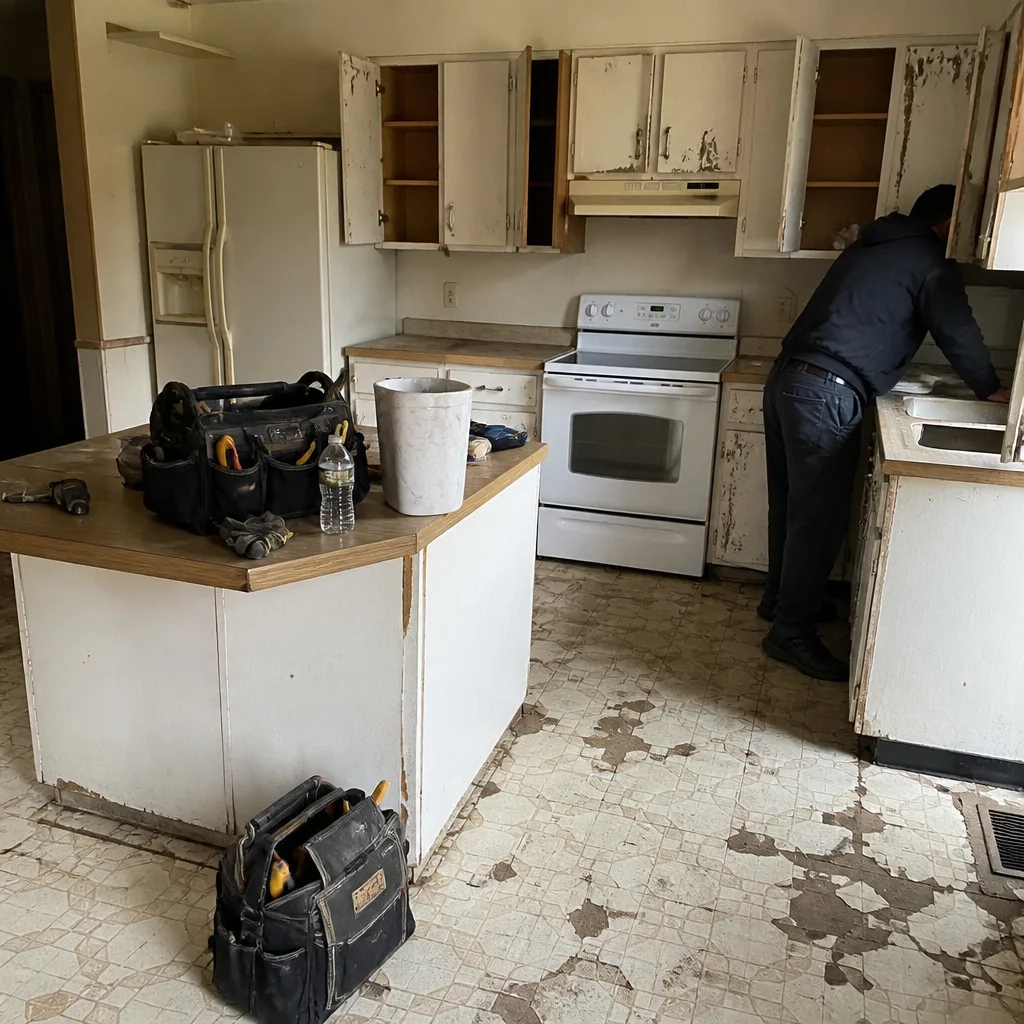 Before
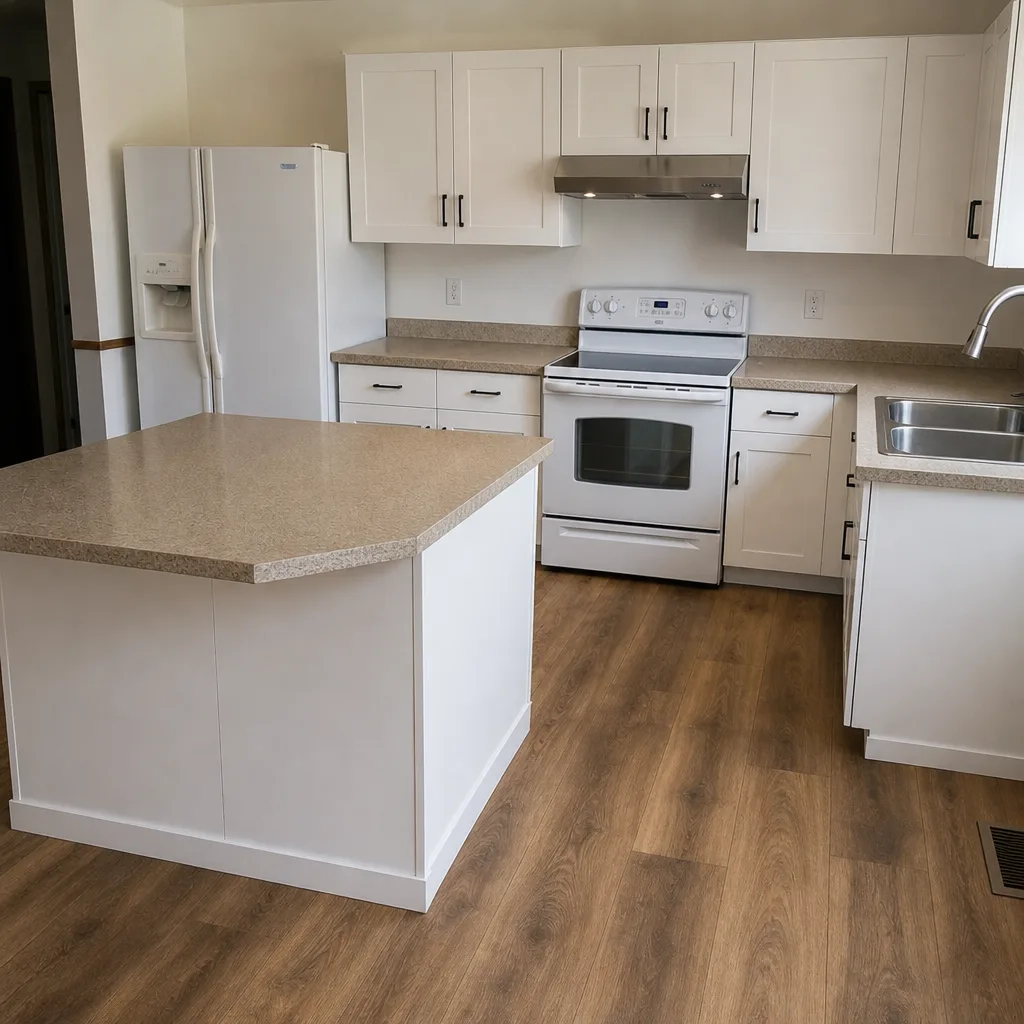 After
When to Call a Professional
Most maintenance is genuinely do-it-yourself work. Sealing a window joint, replacing a filter, cutting out old caulk and redoing it: all fine. But there’s a line where the job stops being maintenance and starts being a repair, and crossing it without help is where the money goes wrong. Call a professional when you see soft wood around a window or door, when a grout line has a crack wider than a hairline, when water staining appears on drywall or cabinet interiors, when a roof shingle is missing or curled, or when an attic check turns up rusted nails or evidence of venting problems. Also call when you honestly can’t tell whether something is failing. A ten-minute evaluation on the front end is far cheaper than opening a wall to find out. Penhallow Remodeling Winchester offers free estimates in Winchester, and every one comes with a written price before any work starts. Call (844) 797-9439 to schedule yours.
Frequently Asked Questions

Every three months for exterior caulk and every six months for interior grout and caulk. Desert UV breaks down sealant fast, and the wide temperature swing here speeds up the process. Our technicians have up to 22 years of experience and consistently see failed exterior joints within two summers if they aren’t checked and resealed. Call (844) 797-9439 for a free estimate if you’re not sure what you’re looking at.
Because most Winchester homes are built slab-on-grade, meaning the concrete floor moves with temperature changes and cracks the grout above it. That’s normal movement, not a defect. Hairline cracks can be sealed; wider cracks or hollow-sounding tiles mean water is getting under the surface and it’s time to call. Call (844) 797-9439 for a free estimate before it spreads.
In early spring and again in early fall, before the hot and cold extremes hit. The shoulder seasons are when you can safely be in the attic and when small venting problems are still cheap to fix. Attic ventilation problems shortens shingle life, and manufacturers like Owens Corning and IKO can decline claims if ventilation was out of spec. Call (844) 797-9439 for a free estimate if you’re unsure.
Countertop care schedules, cabinet finish care, siding sealant maintenance, and attic ventilation all have conditions built into manufacturer warranties. Skip them and the brand can decline a claim even on a genuine defect. Read the maintenance section of your manual before you call for warranty work. Call (844) 797-9439 for a free estimate and we’ll tell you in writing whether it’s a maintenance issue or a warranty issue.
Yes. A contractor with a written history of what was checked and when can give an accurate written price instead of a contingency-loaded estimate. The difference is real money. If you don’t have a log, start one now with photos and dates. Call (844) 797-9439 for a free estimate whether you have a log or not.
We handle kitchen remodeling, bathroom remodeling and whole-home remodels in Winchester, and every job comes with a written price before work starts and a 365-Day Done Right Promise. If a maintenance issue has grown into a repair or a remodel, we can give you a written number. Call (844) 797-9439 to schedule a free estimate.
The Bottom Line
Most of what goes wrong in a Winchester home starts as a $200 maintenance problem and becomes a $6,000 repair because nobody looked. The five spots desert heat attacks first (window and door caulk, grout lines on slab, attic ventilation, siding penetrations, and the slab-to-wall transition) repay a ten-minute inspection twice a year. Log what you find in writing so any contractor can give you a real number. Read your manufacturer care guides before you call for warranty work. Do those three things and you’re preventing the job instead of funding it. If you’re not sure whether something is failing, that’s exactly the moment to call. Penhallow Remodeling Winchester offers free estimates with a written price before any work starts and a 365-Day Done Right Promise on every job. Call (844) 797-9439 to schedule yours.
Written by the team at Penhallow Remodeling Winchester.